Zoroaster — "The wicked shall perish, but the righteous shall rejoice."
The wicked shall perish, but the righteous shall rejoice.
The wicked shall perish, but the righteous shall rejoice.
Click any product to generate a realistic preview. Up to 3 at a time.
* Initial load can take up to 90 seconds — revising the preview in another color is nearly instant.
"The deceitful shall be destroyed, but the righteous shall attain the best existence."
"The one who follows the destructive impulse is referred to as “deceitful”; the one who follows the beneficial impulse is “the upholder of cosmic order, righteous.”"
"And thus we two, my soul and the soul of creation, prayed with hands outstretched to the Lord; And thus we two urged Mazda with these entreaties: 'Let not destruction overtake the right-living, Let no…"
"To him who chooses me, I shall give as a reward the best of existence, but to him who does not choose me, I shall give the worst."
"The evil shall be cast into darkness, but the righteous shall walk in light."
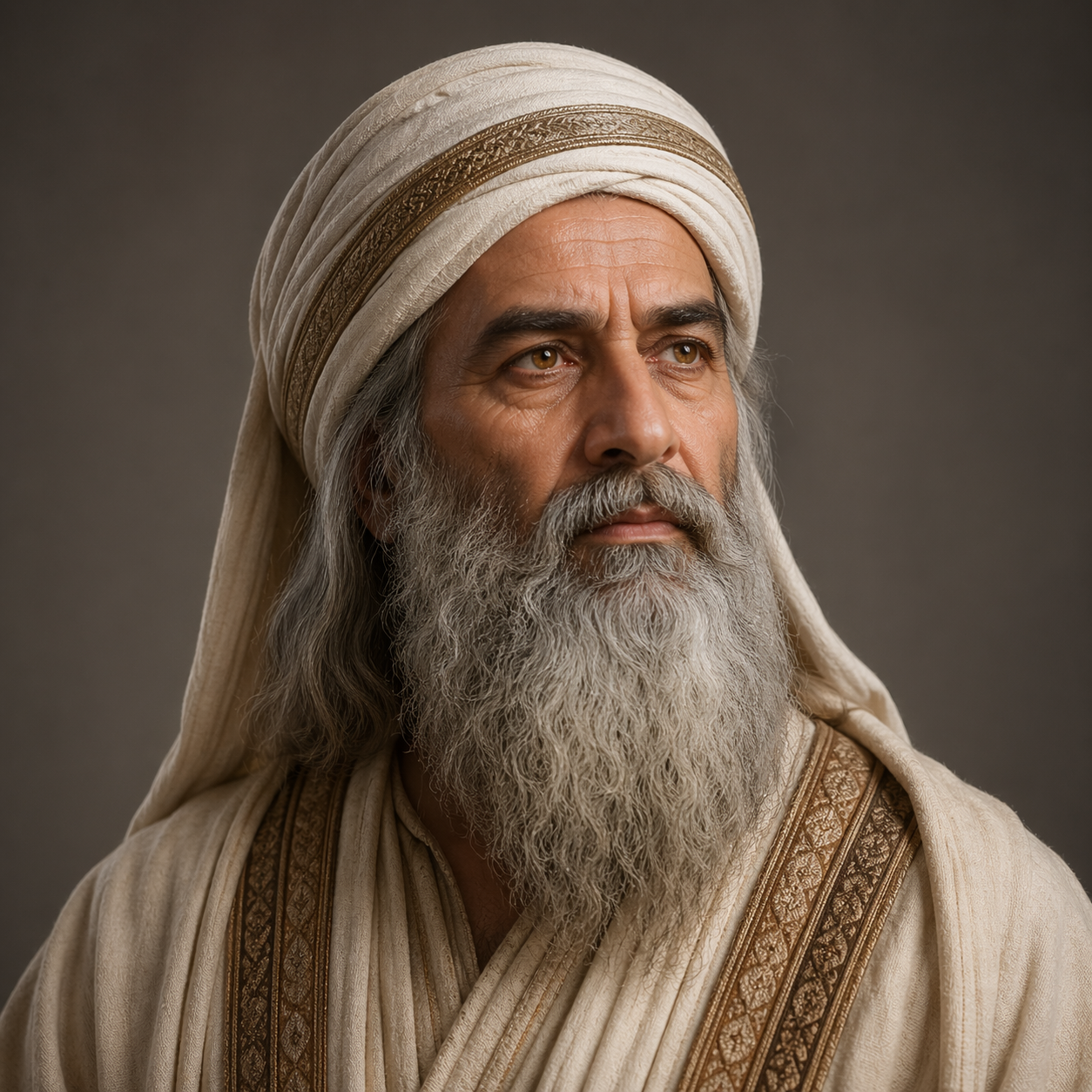
Iranian prophet who founded Zoroastrianism, the first major religion of cosmic dualism between good (Ahura Mazda) and evil (Angra Mainyu). Closely associated with The Buddha (near-contemporary Eastern moral-cosmological revolutionary). For an intellectual contrast, see Friedrich Nietzsche, German philosopher of 'beyond good and evil' — Nietzsche appropriated Zarathustra's name for Thus Spoke Zarathustra (1883) precisely to invert the original's moral cosmology — the historical Zoroaster founded the good-versus-evil framework Nietzsche's character announces the end of.
Found in 1 providers: deepseek
1 source checked
Bad people who harm others will eventually face ruin, while those who live with honesty and integrity will find lasting joy. The statement frames life as a moral arc with built-in consequences: cruelty erodes itself, while goodness builds something durable. It promises that justice is not random but woven into existence, so the choice between deceit and decency genuinely shapes a person's ultimate fate and inner peace.
Zoroaster taught a strict ethical dualism between Asha (truth, order) and Druj (lie, chaos), making this line a compact summary of his entire worldview. As a reforming priest who rejected the older polytheistic rituals of his Iranian society, he preached personal moral choice and final judgment by Ahura Mazda. The fate of wicked versus righteous sits at the core of his hymns, the Gathas, where individual conduct decides one's eternal standing.
Zoroaster lived in Bronze Age eastern Iran, likely between 1500 and 1000 BCE, among pastoral tribes troubled by cattle raids, blood feuds, and warrior-cult violence. Most regional religions emphasized ritual sacrifice and appeasing many gods, with little focus on personal ethics or afterlife justice. By proclaiming a single wise creator and a coming reckoning where deeds matter, Zoroaster offered a radical moral order to a chaotic society, later shaping Persian empires and influencing Judaism, Christianity, and Islam.
AI-generated insights based on extensive research and information for context. Factual errors? Email [email protected].
Your cart is empty