Zoroaster — "War and courage have done more great things than charity. Not your sympathy, but…"
War and courage have done more great things than charity. Not your sympathy, but your bravery has saved the unfortunate.
War and courage have done more great things than charity. Not your sympathy, but your bravery has saved the unfortunate.
Click any product to generate a realistic preview. Up to 3 at a time.
* Initial load can take up to 90 seconds — revising the preview in another color is nearly instant.
"The evil shall be destroyed, but the good shall flourish."
"None have I to protect me save Thee; Command for me then the blessings of a settled, peaceful life."
"Contemplate the beams of fire with a most pious mind. Every one, both men and women, ought to-day to choose his creed."
"A gentle hand can lead even an elephant by a hair."
"Righteousness and Good Mind for the people. To enable me to apprise all, teach me O Mazda Ahura, Through Thine own Spirit and Thine own Words, the principle of creation of the first existence."
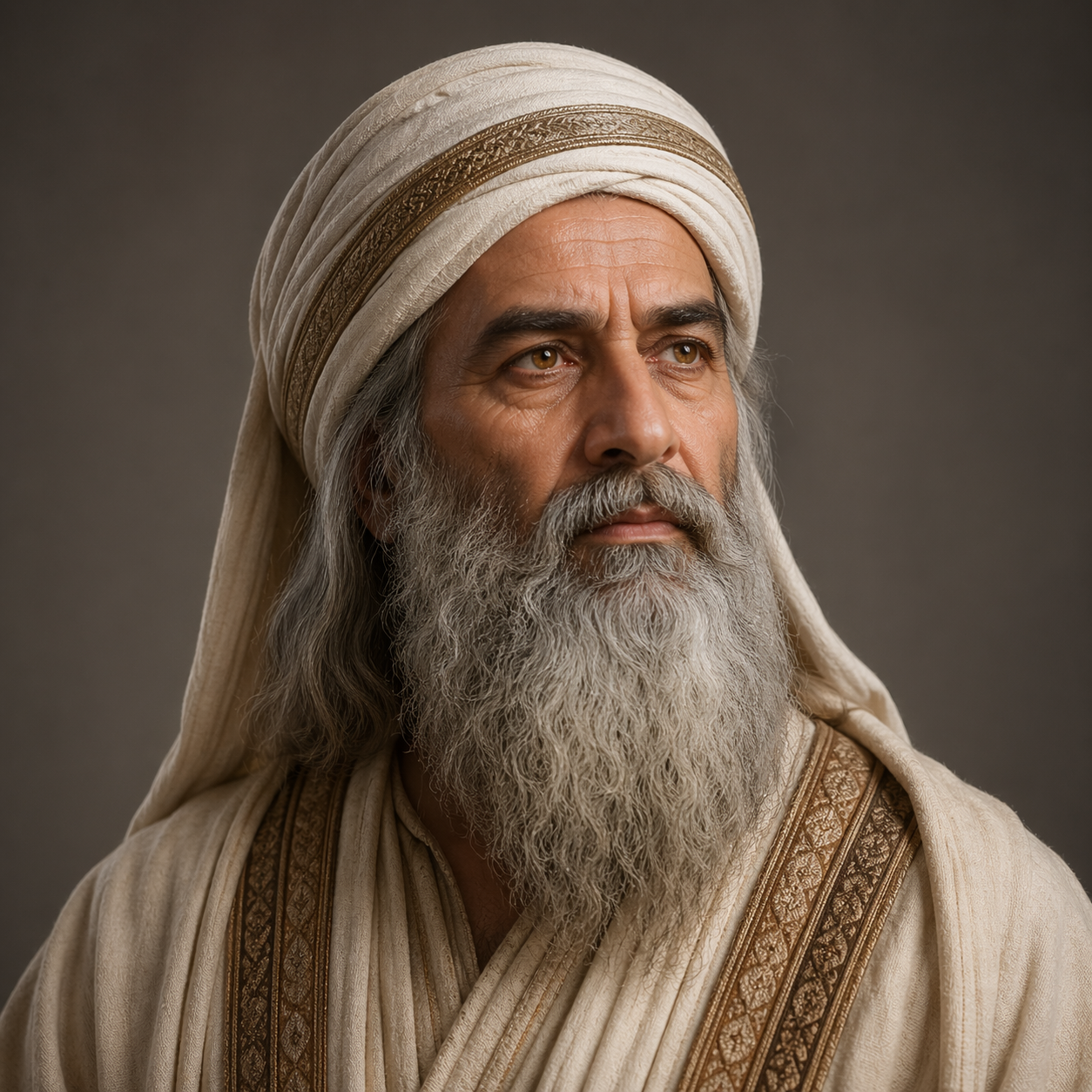
Iranian prophet who founded Zoroastrianism, the first major religion of cosmic dualism between good (Ahura Mazda) and evil (Angra Mainyu). Closely associated with The Buddha (near-contemporary Eastern moral-cosmological revolutionary). For an intellectual contrast, see Friedrich Nietzsche, German philosopher of 'beyond good and evil' — Nietzsche appropriated Zarathustra's name for Thus Spoke Zarathustra (1883) precisely to invert the original's moral cosmology — the historical Zoroaster founded the good-versus-evil framework Nietzsche's character announces the end of.
Attributed, possibly a later interpretation or a more martial context of early Zoroastrianism
Date: c. 1500-1000 BCE
PhilosophicalFound in 1 providers: gemini
1 source checked
Real rescue comes from decisive, risky action, not from pity or handouts. Feeling sorry for someone in trouble does nothing on its own; stepping into danger on their behalf is what actually changes their situation. The quote ranks courage and a willingness to fight above passive kindness, arguing that history's genuine turning points for the vulnerable were won by people brave enough to stand and act, not merely to sympathize.
Zoroaster taught a cosmos split between Ahura Mazda's truth and the destructive Lie, with every person enlisted as a combatant for good. His ethic of 'good thoughts, good words, good deeds' was militant, not sentimental: righteousness required confronting evil, not lamenting it. As a reforming priest who broke with older Iranian polytheism and faced hostility, he modeled the active bravery he preached, treating moral struggle itself as the engine of a better world.
Zoroaster lived in Bronze Age eastern Iran, likely between 1500 and 1000 BCE, among pastoral tribes plagued by cattle-raiders, warlords, and bloody sacrificial cults. Survival depended on warriors defending herds and settlements, while the weak had no welfare system to lean on. Into that violent world he introduced a dualist ethics that dignified the fighter who protected the innocent, reframing tribal courage as cosmic duty and sharply elevating it above ritual offerings or mere pity.
AI-generated insights based on extensive research and information for context. Factual errors? Email [email protected].
Your cart is empty