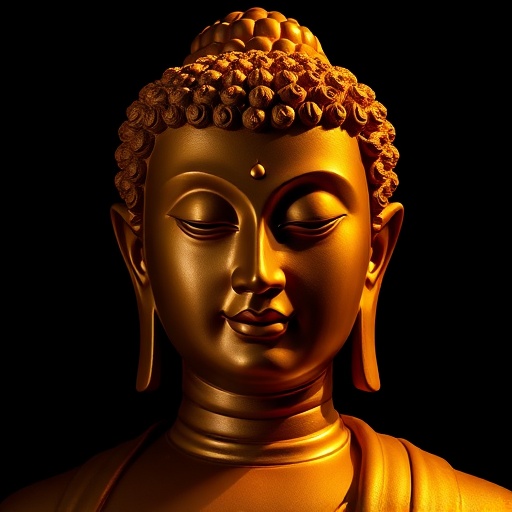
Siddhartha Gautama (Buddha) — "We are but guests visiting this world, though most do not know this."
We are but guests visiting this world, though most do not know this.
We are but guests visiting this world, though most do not know this.
Click any product to generate a realistic preview. Up to 3 at a time.
* Initial load can take up to 90 seconds — revising the preview in another color is nearly instant.
"The way is not in the sky. The way is in the heart."
"The greatest wealth is health."
"Better than a thousand hollow words, is one word that brings peace."
"The body, monks, is not self. If the body were the self, this body would not lend itself to dis-ease. It would be possible (to say) with regard to the body, 'Let my body be thus. Let my body not be th…"
"The wise ones who are intent on meditation, who delight in the peace of renunciation, such mindful ones, perfect in right understanding, cast off the net of Māra."
From the Dhammapada, a teaching on the transient nature of existence
Date: c. 5th-6th Century BCE
PhilosophicalFound in 1 providers: gemini
1 source checked
Life is temporary. We pass through existence like travelers stopping at an inn, not permanent residents who own the place. Most people forget this and cling to possessions, status, and relationships as if they will last forever, which creates suffering when things inevitably change or end. Recognizing yourself as a guest shifts how you hold everything: lightly, with gratitude, without the desperate grip that mistakes temporary for permanent.
Buddha left a prince's palace at twenty-nine, abandoning wealth, wife, and title to seek why humans suffer. His central insight, anicca or impermanence, sits at the heart of this saying. After enlightenment under the Bodhi tree, he taught that attachment to impermanent things causes dukkha. Calling humans guests reflects his lived rejection of ownership: he walked northern India for forty-five years with only a robe and begging bowl.
Sixth-century BCE northern India was spiritually restless. The rigid Vedic sacrificial system and Brahmin caste authority were being challenged by wandering ascetics called shramanas, including Mahavira, who founded Jainism around the same time. Kingdoms like Magadha and Kosala were consolidating power, trade was expanding, and urbanization was producing new wealth alongside new suffering. Teachings about detachment and impermanence resonated with people questioning whether accumulated ritual merit or material prosperity actually answered the problem of death.
AI-generated insights based on extensive research and information for context. Factual errors? Email [email protected].
Your cart is empty