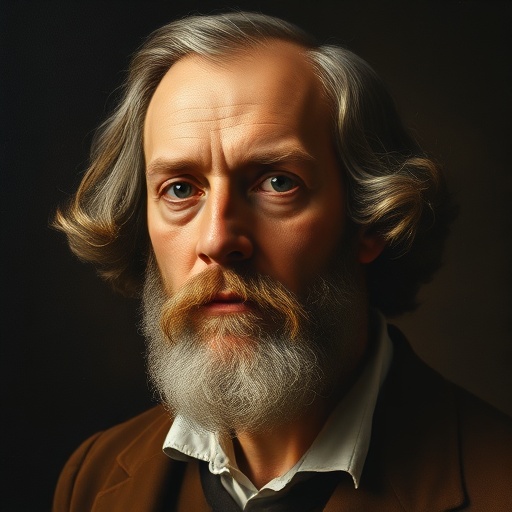
John Locke
Empiricism, natural rights
Sayings by John Locke
The mind is like white paper, void of all characters, without any ideas.
For in all the states of created beings capable of laws, where there is no law, there is no freedom.
Bread, or water, or wine, which are the ordinary food and nourishment of the body, yet are not by nature bread, water, or wine, but become so by the application of the mind.
The works of nature and the works of art are but the outside and rind of the world.
The only way whereby any one divests himself of his natural liberty, and puts on the bonds of civil society, is by agreeing with other men to join and unite into a community.
The care of souls cannot belong to the civil magistrate.
New opinions are always suspected, and usually opposed, without any other reason but because they are not already common.
Our business here is not to know all things, but those which concern our conduct.
No man's knowledge here can go beyond his experience.
The greater part of mankind are more governed by interest than by argument.
The discipline of desire is the background of character.
A sound mind in a sound body, is a short, but full description of a happy state in this World.
Where-ever Law ends, Tyranny begins.
Slavery is so vile and miserable an estate of man, and so directly opposite to the generous temper and courage of our nation.
Things of this world are in so constant a flux, that nothing remains long in the same state.
It is not enough to have a good mind; the main thing is to use it well.
The great business of the senses is to take in the ideas of external objects.
To be happy, then, is to have a sound mind in a sound body, and to be well provided with the necessaries of life.
Reason, which is the common rule and measure God hath given to mankind.
He that knows any thing, knows that he knows not all things.