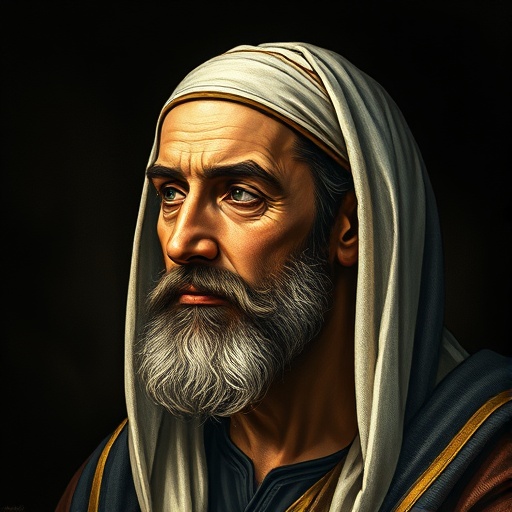
Muhammad — "Kill any pagan you encounter on the spot."
Kill any pagan you encounter on the spot.
Kill any pagan you encounter on the spot.
Click any product to generate a realistic preview. Up to 3 at a time.
* Initial load can take up to 90 seconds — revising the preview in another color is nearly instant.
"He who does not show mercy to others will not be shown mercy."
"Indeed, Allah is Beautiful and loves beauty."
"I have been made victorious with awe (by Allah) by terrorizing my enemies."
"I have been made victorious with terror."
"The angels do not enter a house in which there is a dog or a picture."
Found in 1 providers: gemini
1 source checked
Taken at face value, this statement calls for immediate lethal violence against anyone identified as a pagan. In plain modern terms, it reads as a command to execute polytheists without trial or negotiation. Historically, however, scholars argue the directive applied narrowly to specific hostile tribes in a wartime context after repeated treaty violations, not as a general rule toward all non-Muslims or peaceful unbelievers living under Muslim protection.
Muhammad led the early Muslim community through two decades of persecution, migration, and armed conflict on the Arabian Peninsula. As both prophet and political-military leader, he issued battlefield rulings addressing tribes that had broken pacts or attacked Muslims. His broader record also includes treaties like the Constitution of Medina protecting Jews and Christians, and the Treaty of Hudaybiyyah with Meccan pagans, showing such harsh directives were situational rather than a blanket theology of violence.
Seventh-century Arabia was a tribal, honor-based society where blood feuds, raiding, and shifting alliances defined survival. No central state existed; security came through kinship and pacts. Polytheistic Quraysh tribes controlled Mecca's lucrative pilgrimage economy and had persecuted, exiled, and fought the early Muslims for over a decade. Warfare norms were brutal across all tribes—Byzantine, Persian, and Arab alike. Directives like this emerged from prolonged armed conflict following broken truces, reflecting the era's unforgiving rules of tribal warfare.
AI-generated insights based on extensive research and information for context. Factual errors? Email [email protected].
Your cart is empty