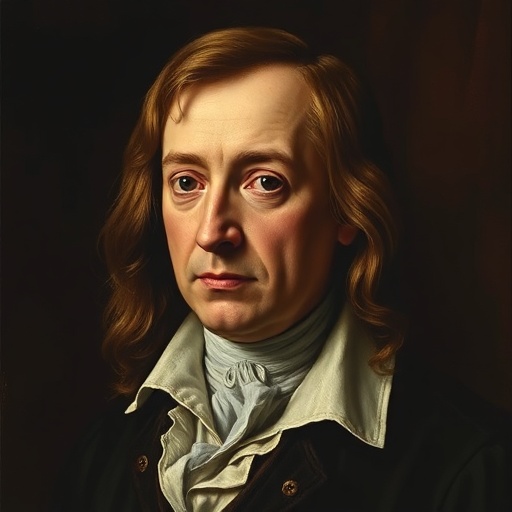
John Milton — "He who reigns within himself, and rules passions, desires, and fears, is more th…"
He who reigns within himself, and rules passions, desires, and fears, is more than a king.
He who reigns within himself, and rules passions, desires, and fears, is more than a king.
Click any product to generate a realistic preview. Up to 3 at a time.
* Initial load can take up to 90 seconds — revising the preview in another color is nearly instant.
"Lest we should be too much elated with our successes, or too much dejected by our misfortunes."
"Enjoy your dear wit and gay rhetoric, That hath so well been taught her dazzling fence."
"Evil into the mind of God or man may come and go, so unapproved, and leave no spot or blame behind."
"He who would not be frustrate of his hope to write well hereafter in laudable things, ought himself to be a true poem; that is, a composition and pattern of the best and honorablest things."
"Yet much remains To conquer still; peace hath her victories No less renown'd than war."
English poet whose Paradise Lost (1667) is the canonical English epic, written while blind during the Restoration after his service to Cromwell's Commonwealth. Closely associated with Andrew Marvell (Commonwealth poet and friend who protected Milton at the Restoration). For an intellectual contrast, see King Charles II's Restoration court, the courtly, sexually-libertine, theater-reopened world of 1660s London — Milton wrote Paradise Lost as a defeated Republican; the Restoration culture around him celebrated everything his Commonwealth had banned. The cleanest 'losing side writes the masterpiece' moment in English literature — Paradise Lost's Satan is freighted with the political defeat of the regicides Milton served.
Found in 2 providers: grok,gemini
2 sources checked
Your cart is empty