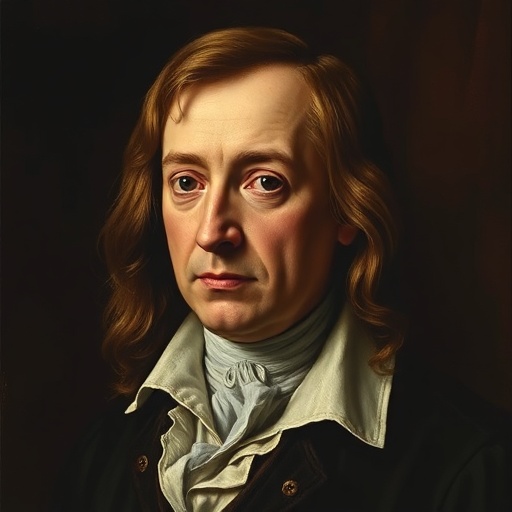
John Milton — "Evil into the mind of God or man may come and go, so unapproved, and leave no sp…"
Evil into the mind of God or man may come and go, so unapproved, and leave no spot or blame behind.
Evil into the mind of God or man may come and go, so unapproved, and leave no spot or blame behind.
Click any product to generate a realistic preview. Up to 3 at a time.
* Initial load can take up to 90 seconds — revising the preview in another color is nearly instant.
"Truth, indeed, came once into the world with her divine master, and was a perfect shape most glorious to look on: but when he ascended, and his apostles after him were laid asleep, then straight arose…"
"The greatest part of men are but a rude multitude, and have no more sense of things than children."
"The hungry sheep look up, and are not fed, But swoln with wind, and the rank mist they draw, Rot inwardly, and foul contagion spread."
"Whence and what art thou, execrable shape?"
"Where there is much desire to learn, there of necessity will be much arguing, much writing, many opinions; for knowledge is as food, and needs no less variety than appetite."
English poet whose Paradise Lost (1667) is the canonical English epic, written while blind during the Restoration after his service to Cromwell's Commonwealth. Closely associated with Andrew Marvell (Commonwealth poet and friend who protected Milton at the Restoration). For an intellectual contrast, see King Charles II's Restoration court, the courtly, sexually-libertine, theater-reopened world of 1660s London — Milton wrote Paradise Lost as a defeated Republican; the Restoration culture around him celebrated everything his Commonwealth had banned. The cleanest 'losing side writes the masterpiece' moment in English literature — Paradise Lost's Satan is freighted with the political defeat of the regicides Milton served.
Your cart is empty