What it means
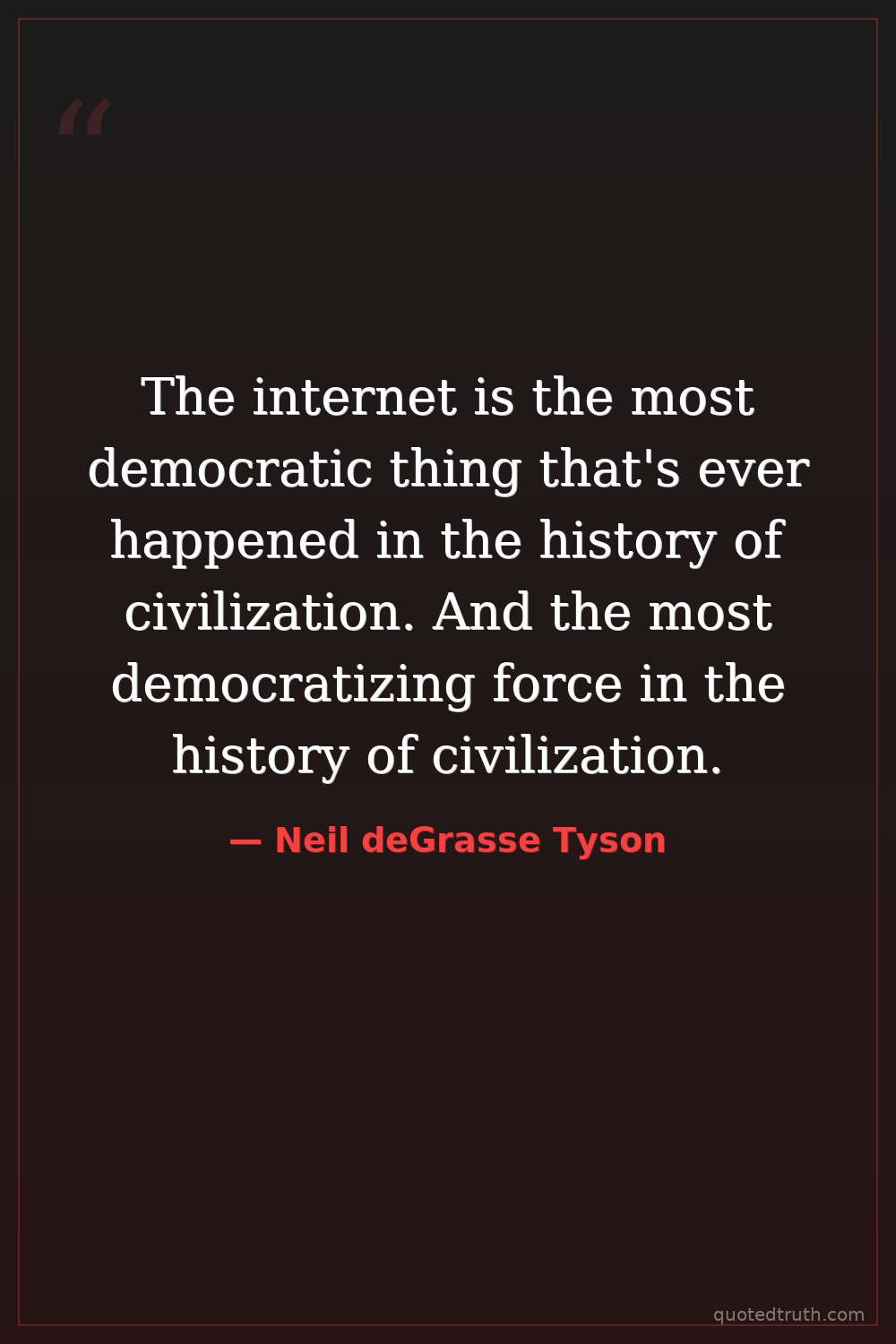
The internet grants every person, regardless of wealth, geography, or status, equal access to information and the ability to publish ideas, participate in discourse, and connect with others. No previous invention—not the printing press, not radio, not television—spread power so broadly across humanity. It removes gatekeepers and gives ordinary people the same platform once reserved for institutions.
Relevance to Neil deGrasse Tyson
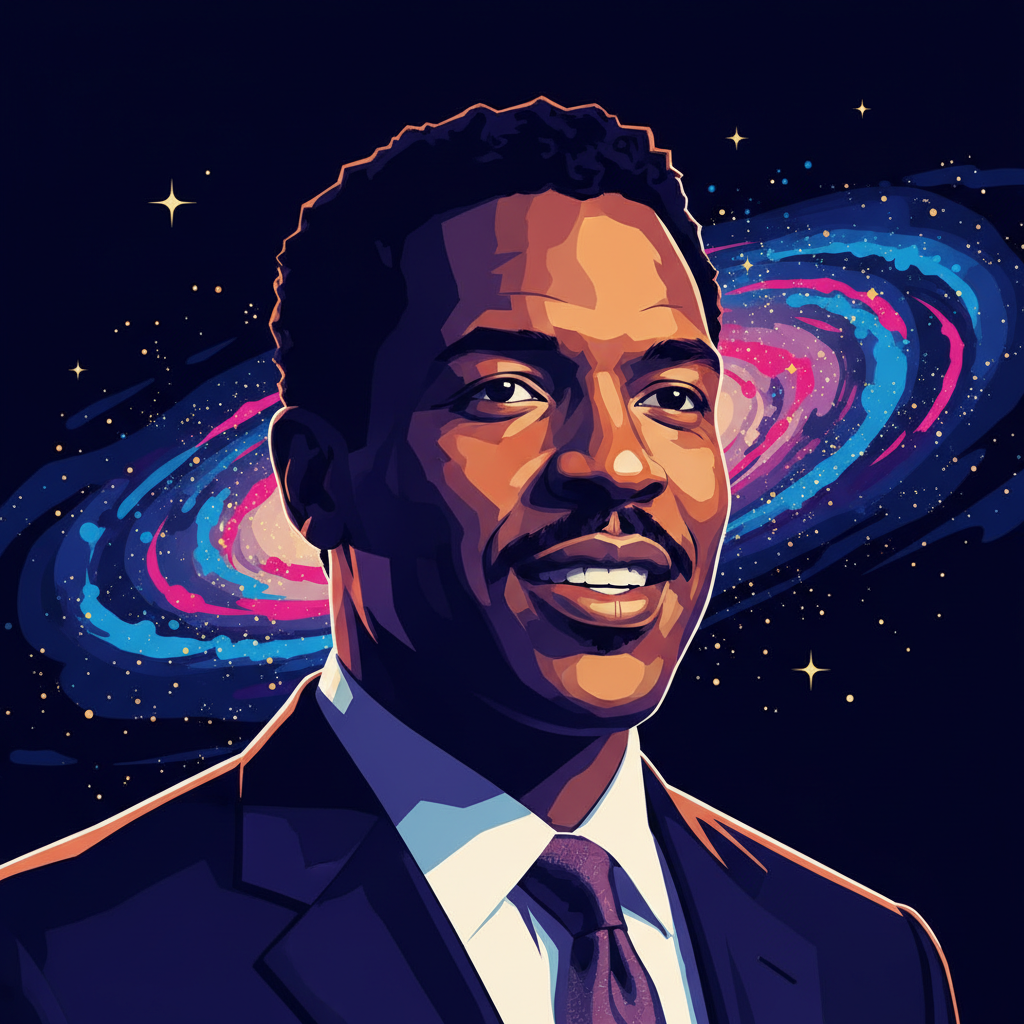
Tyson built his career democratizing science itself—through books, Cosmos, StarTalk, and relentless public engagement. He came up as a Black astrophysicist navigating barriers in elite institutions, making him acutely sensitive to who gets access to knowledge. The internet amplified his mission: science communication no longer required network TV deals or publisher gatekeepers. His massive social media following reflects this belief lived out.
The era
Tyson rose to pop-culture prominence in the 2000s–2010s as broadband penetration soared and social media collapsed broadcast monopolies. Wikipedia, YouTube, Twitter, and podcasts dismantled traditional information hierarchies simultaneously. Meanwhile debates raged about net neutrality, the digital divide, and misinformation—making the internet's democratic promise contested. His framing captures the optimistic early consensus before algorithmic manipulation and platform consolidation complicated the picture.
AI-generated insights based on extensive research and information for context. Factual errors? Email [email protected].