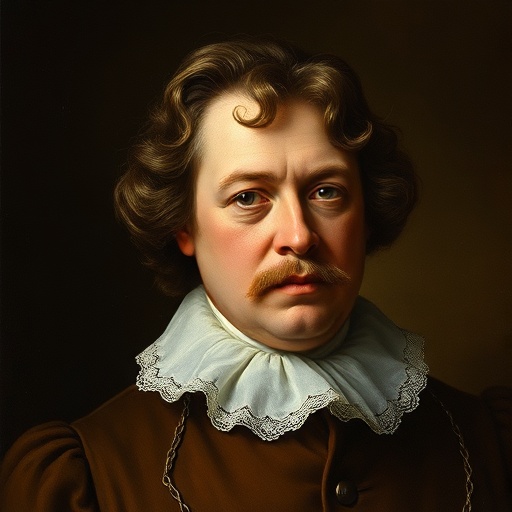
Edward Jenner — "It is a fact well known to many, that persons who have had the Cow Pox, are for …"
It is a fact well known to many, that persons who have had the Cow Pox, are for ever after secure from the infection of the Small Pox.
It is a fact well known to many, that persons who have had the Cow Pox, are for ever after secure from the infection of the Small Pox.
Click any product to generate a realistic preview. Up to 3 at a time.
* Initial load can take up to 90 seconds — revising the preview in another color is nearly instant.
"The discovery of vaccination is one of the most important that has ever been made."
"The most important discoveries have often been made by accident."
"This Inquiry will lay all those troublesome ghosts which have so long haunted the Metropolis with their ox-faces, & dismal hootings against Vaccination. However, tis all for the best – you may depend …"
"I have often been surprised at the credulity of mankind; but I have also been surprised at their obstinacy."
"I have never been a lover of controversy; but when truth is concerned, I am not afraid to speak out."
Found in 1 providers: grok
1 source checked
People who catch cowpox — a mild disease passed from cattle — are permanently protected against smallpox, one of history's deadliest illnesses. The quote records an empirical observation shared by farmers and milkmaids long before it was scientifically explained. It asserts cross-immunity between two related viruses, establishing the foundational logic of vaccination: introduce a harmless pathogen to train the body's defenses against a lethal one.
Jenner was a country doctor in Gloucestershire who took seriously what milkmaids and farmers said about cowpox granting smallpox immunity. Rather than dismissing it as rural folklore, he tested it rigorously, vaccinating James Phipps with cowpox in 1796 and confirming his immunity to smallpox. This quote captures his method: ground-up empirical observation elevated to scientific principle, defining his legacy as the father of immunology.
In the late 18th century, smallpox killed roughly 400,000 Europeans annually and left survivors scarred or blind. Existing prevention — variolation with live smallpox material — carried real risk of triggering fatal infection. Medicine was transitioning from humoral theory toward evidence-based practice, but disease mechanisms remained mysterious. Jenner's observation that a barnyard illness could confer lasting protection against a civilization-threatening plague arrived precisely when the world needed a safer alternative.
AI-generated insights based on extensive research and information for context. Factual errors? Email [email protected].
Your cart is empty