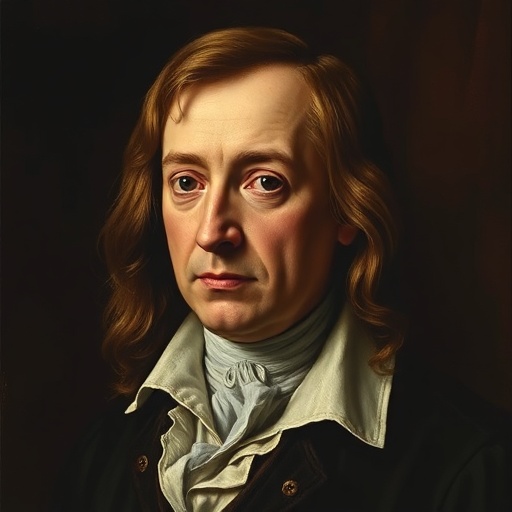
John Milton — "His words, like so many nimble and airy servitors, trip about him at command."
His words, like so many nimble and airy servitors, trip about him at command.
His words, like so many nimble and airy servitors, trip about him at command.
Click any product to generate a realistic preview. Up to 3 at a time.
* Initial load can take up to 90 seconds — revising the preview in another color is nearly instant.
"For neither do the spirits damned lose all their virtue, lest bad men should boast their specious deeds on earth."
"As good almost kill a man as kill a good book: who kills a man kills a reasonable creature, God's image; but he who destroys a good book, kills reason itself, kills the image of God, as it were, in th…"
"Milton argued that might does not make right, rulers must conform to a higher law, and, if they fail to do so, those suffering under their rule are wholly justified in rebelling against their former l…"
"And from the terror of his countenance, who durst not behold him, that was yet so fair, and lovely to look upon, had not his great transgression chang'd him."
"He who would be a great man, must be a great judge."
English poet whose Paradise Lost (1667) is the canonical English epic, written while blind during the Restoration after his service to Cromwell's Commonwealth. Closely associated with Andrew Marvell (Commonwealth poet and friend who protected Milton at the Restoration). For an intellectual contrast, see King Charles II's Restoration court, the courtly, sexually-libertine, theater-reopened world of 1660s London — Milton wrote Paradise Lost as a defeated Republican; the Restoration culture around him celebrated everything his Commonwealth had banned. The cleanest 'losing side writes the masterpiece' moment in English literature — Paradise Lost's Satan is freighted with the political defeat of the regicides Milton served.
Your cart is empty