What it means
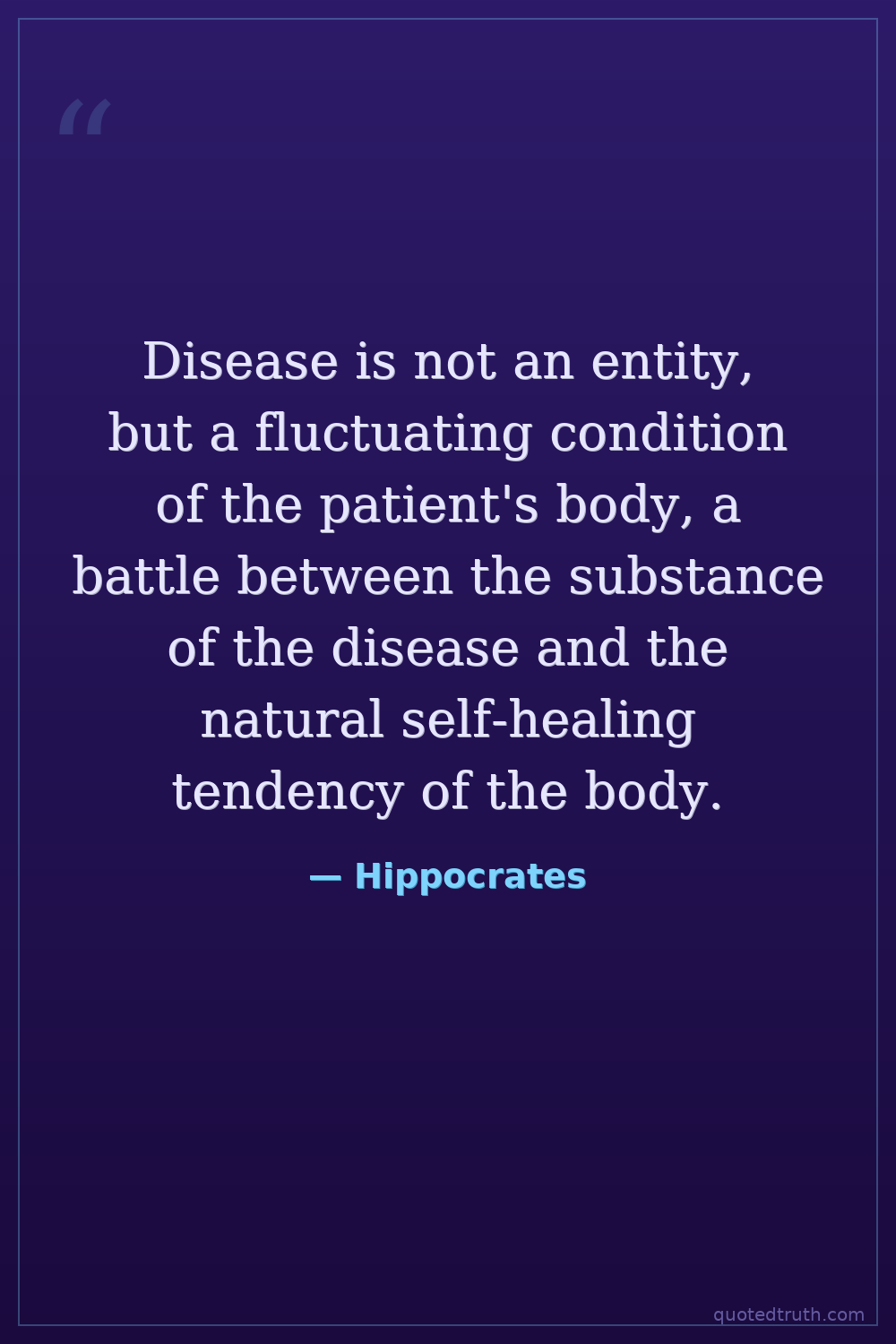
Disease isn't a fixed, external thing that simply invades you — it's a dynamic, ongoing struggle happening inside your own body. Your natural defenses fight back against whatever is causing illness, and the outcome depends on that internal contest. Health and sickness exist on a spectrum rather than as binary states. This framing shifts focus from attacking the disease directly to supporting the body's own powerful, built-in capacity to heal itself.
Relevance to Hippocrates
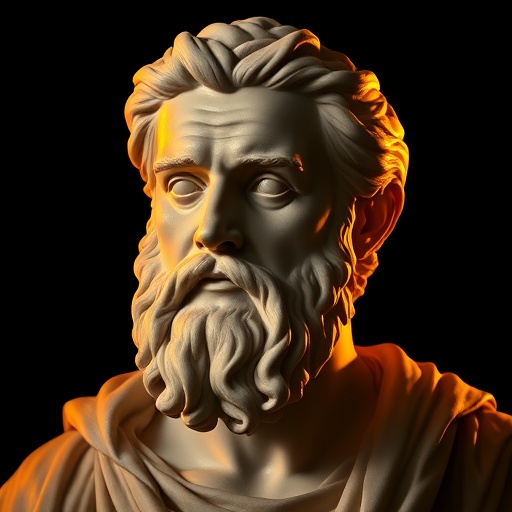
Hippocrates built medicine on careful patient observation rather than supernatural explanation, rejecting Greek traditions blaming gods for illness. Practicing on Cos in the 5th century BCE, he catalogued symptoms and natural disease progressions. This quote embodies his defining doctrine — vis medicatrix naturae, the healing power of nature — which held that physicians should support the body's innate recovery rather than aggressively combat disease, a belief central to his entire medical philosophy.
The era
In 5th–4th century BCE Greece, illness was widely attributed to divine punishment or demonic interference, treated through prayer and ritual at temples dedicated to Asclepius, the god of medicine. Hippocrates practiced amid this deeply religious medical culture on Cos. By reframing disease as a natural bodily process, he directly challenged prevailing supernatural explanations, laying groundwork for rational, empirical medicine at a moment when such thinking was both radical and professionally bold.
AI-generated insights based on extensive research and information for context. Factual errors? Email [email protected].