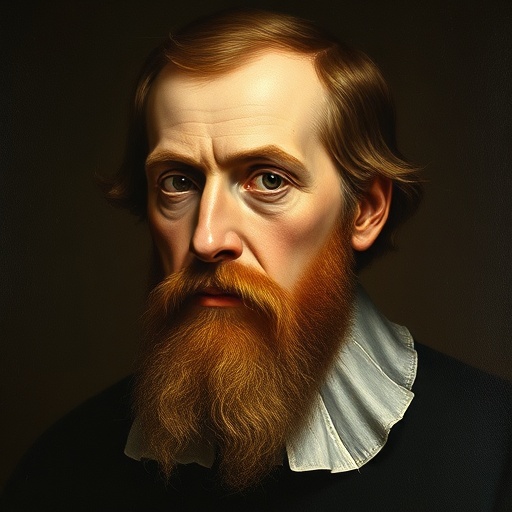
John Calvin — "The greater the sinner, the greater the need for God's grace."
The greater the sinner, the greater the need for God's grace.
The greater the sinner, the greater the need for God's grace.
Click any product to generate a realistic preview. Up to 3 at a time.
* Initial load can take up to 90 seconds — revising the preview in another color is nearly instant.
"The greater part of the world, because it despises the Word of God, despises also the whole of true religion."
"The torture of a bad conscience is the hell of a living soul."
"God's glory is the end of all things."
"God's providence is not only general, but extends to all the particular facts of life."
"The Lord then would have all the godly to burn with so much zeal in the defense of lawful worship and true religion, that no connection, no relationship, nor any other consideration, connected with th…"
French theologian whose Institutes of the Christian Religion (1536) systematized Protestant Reformed doctrine, including predestination. Closely associated with Martin Luther (Reformation founder, Calvin's predecessor). For an intellectual contrast, see Jacobus Arminius, Dutch Reformed theologian (1560-1609) — Arminius's rejection of strict double-predestination founded Arminianism — the theological tradition modern Methodism, most evangelicalism, and Pentecostalism descend from. The Calvinist-Arminian debate has divided Protestantism for 400 years.
Found in 1 providers: grok
1 source checked
No sin disqualifies a person from divine forgiveness — in fact, the depth of someone's wrongdoing only increases their dependence on God's unearned mercy. Grace is not rationed to the deserving but flows most urgently toward those most broken. The quote rejects the idea that people can fall beyond redemption, arguing instead that moral failure creates the very condition under which grace becomes most necessary and most powerful.
Calvin built his entire theological system around Total Depravity — humanity is so corrupted by sin that no one deserves salvation. Yet his companion doctrine, Irresistible Grace, held that God saves even the most wretched sinner through sovereign election. Calvin himself described his conversion as sudden and unexpected. His Institutes of the Christian Religion made grace the cornerstone of Reformed faith, countering any notion that personal righteousness precedes God's saving action.
The early sixteenth century was consumed by the sale of indulgences — the Catholic Church offered forgiveness in exchange for payment, implying grace could be purchased and sin quantified by price. Calvin, writing in Geneva during the height of Reformation conflicts, directly opposed this economy of merit. Religious wars and heresy executions made the question of who deserved God's favor urgent and deadly. His emphasis on grace over moral scorekeeping was a direct theological challenge to Rome.
AI-generated insights based on extensive research and information for context. Factual errors? Email [email protected].
Your cart is empty