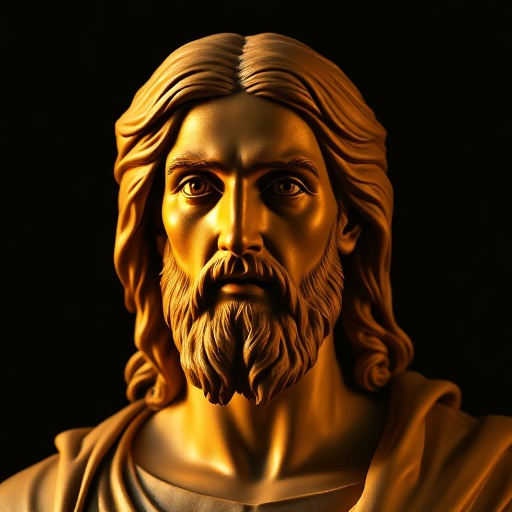
Jesus Christ — "For what is exalted among men is an abomination in the sight of God."
For what is exalted among men is an abomination in the sight of God.
For what is exalted among men is an abomination in the sight of God.
Click any product to generate a realistic preview. Up to 3 at a time.
* Initial load can take up to 90 seconds — revising the preview in another color is nearly instant.
"Get behind me, Satan!"
"But if you do not forgive others their sins, your Father will not forgive your sins."
"So the last will be first, and the first will be last."
"Every tree that does not bear good fruit is cut down and thrown into the fire."
"Did I not choose you, the Twelve? And yet one of you is a devil."
Found in 1 providers: gemini
1 source checked
What humans celebrate and reward often disgusts God. The things people chase for status, wealth, power, recognition, being admired by the crowd, are precisely what God finds repulsive. Human value systems and divine value systems are inverted. Something can be universally praised by society and still be spiritually bankrupt. Popularity, success, and public approval are not reliable indicators of moral worth, and may in fact signal the opposite.
Jesus repeatedly inverted social hierarchies, blessing the poor, meek, and persecuted while warning the rich and powerful. He rejected Satan's offer of worldly kingdoms, refused political crowns, and chose crucifixion over earthly glory. He dined with tax collectors and prostitutes rather than religious elites. This saying, spoken to Pharisees who loved money, captures his core teaching that God's kingdom operates by opposite values from human society, where the last become first.
First-century Judea operated under Roman occupation with rigid honor-shame hierarchies. Pharisees held elite religious status, displaying piety publicly for social recognition, while tax collectors, lepers, and women occupied the bottom. Wealth was widely interpreted as divine favor and poverty as divine punishment. Jesus spoke these words to Pharisees mocking him for teaching that no one can serve both God and money, directly challenging the era's assumption that social prestige reflected heavenly approval.
AI-generated insights based on extensive research and information for context. Factual errors? Email [email protected].
Your cart is empty