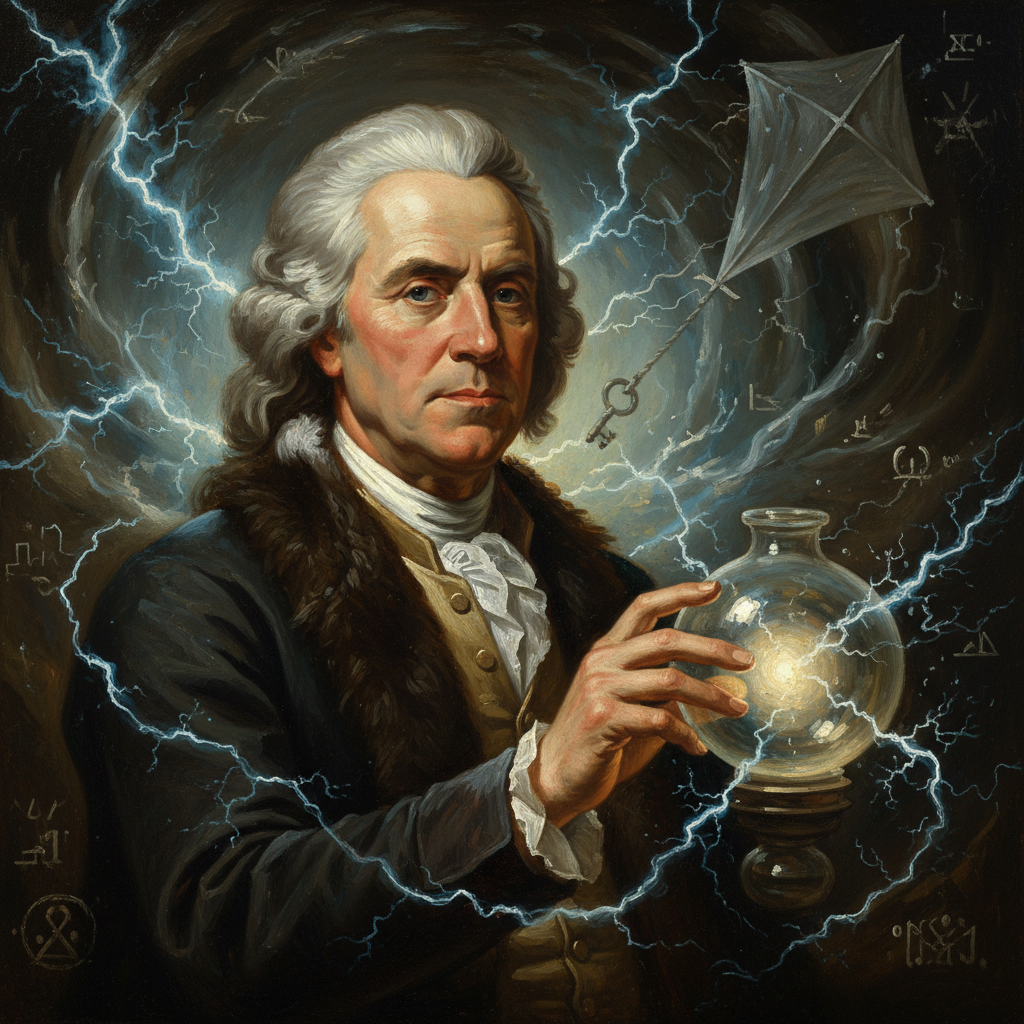
Benjamin Franklin — "Wish not so much to live long as to live well."
Wish not so much to live long as to live well.
Wish not so much to live long as to live well.
Click any product to generate a realistic preview. Up to 3 at a time.
* Initial load can take up to 90 seconds — revising the preview in another color is nearly instant.
"A full belly makes a dull brain."
"The greatest invention of the 19th century was the discovery of the 18th century."
"Beer is proof that God loves us and wants us to be happy."
"For want of a nail the shoe was lost; for want of a shoe the horse was lost; for want of a horse the rider was lost; for want of a rider the battle was lost; for want of a battle the kingdom was lost;…"
"The only things certain in life are death and taxes."
Polymath Founding Father, diplomat, and Poor Richard's Almanack author who helped draft the Declaration of Independence and the Constitution. Closely associated with John Adams (fellow Founder, Massachusetts statesman) and Thomas Jefferson (fellow Declaration drafter). For an intellectual contrast, see Thomas Hutchinson, last royal governor of colonial Massachusetts — Franklin leaked Hutchinson's loyalist correspondence to Boston in 1772 to inflame revolutionary sentiment — Hutchinson represented the colonial-aristocrat crown-loyalty that Franklin's revolution was organized to dismantle.
Found in 1 providers: gemini
1 source checked
Quality of life matters more than quantity of years. Rather than fixating on longevity for its own sake, prioritize whether your days are meaningful, purposeful, and spent on things that matter. A short life fully engaged—pursuing wisdom, doing good work, nurturing relationships, contributing to others—outweighs decades spent in mere existence. It's a call to measure life by depth of experience and character rather than the raw count of years survived.
Franklin embodied this belief across 84 densely productive years. He invented bifocals and the lightning rod, founded Philadelphia's first library and fire department, negotiated the French alliance that won American independence, and codified thirteen personal virtues he practiced daily. His Poor Richard's Almanack preached industrious, principled living. Franklin never retired from purpose—he signed the Constitution at 81. His life was the argument: breadth of contribution defines a life, not its duration.
In 18th-century colonial America, death arrived unpredictably. Smallpox, typhoid, and childbirth claimed lives at every age; life expectancy at birth hovered around 35 to 40 years. Against this backdrop, the Enlightenment urged people to maximize reason, virtue, and civic contribution within whatever span they received. Franklin's era prized productive citizens who built institutions, not passive survivors. Longevity without purpose was considered waste; a short, well-ordered life was the Enlightenment ideal of human flourishing.
AI-generated insights based on extensive research and information for context. Factual errors? Email [email protected].
Your cart is empty