Benjamin Franklin — "The only things certain in life are death and taxes."
The only things certain in life are death and taxes.
The only things certain in life are death and taxes.
Click any product to generate a realistic preview. Up to 3 at a time.
* Initial load can take up to 90 seconds — revising the preview in another color is nearly instant.
"He that lies down with dogs shall rise up with fleas."
"He that is rich, has many friends."
"An old young man will be a young old man."
"It is universally well known, That in digesting our common Food, there is created or produced in the Bowels of human Creatures, a great Quantity of Wind. That the permitting this Air to escape and mix…"
"The sleeping fox catches no poultry."
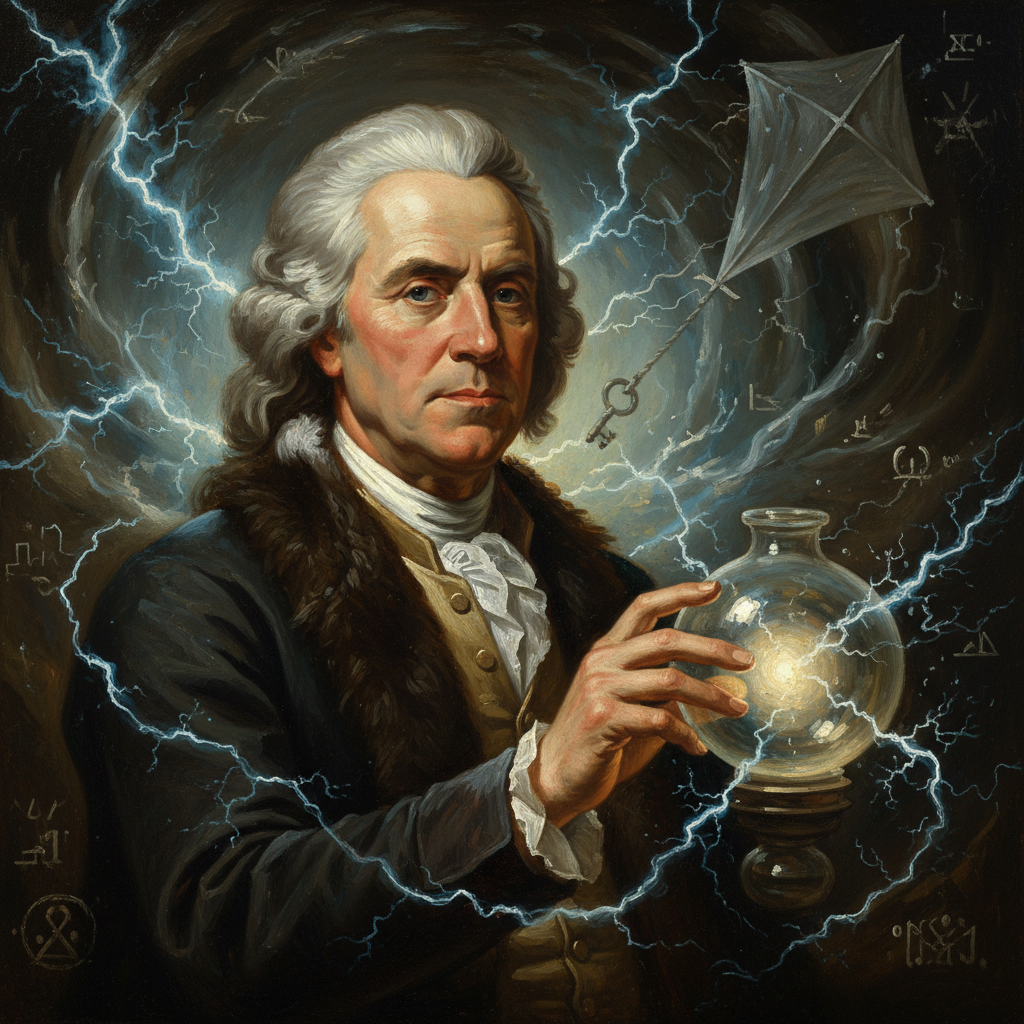
Polymath Founding Father, diplomat, and Poor Richard's Almanack author who helped draft the Declaration of Independence and the Constitution. Closely associated with John Adams (fellow Founder, Massachusetts statesman) and Thomas Jefferson (fellow Declaration drafter). For an intellectual contrast, see Thomas Hutchinson, last royal governor of colonial Massachusetts — Franklin leaked Hutchinson's loyalist correspondence to Boston in 1772 to inflame revolutionary sentiment — Hutchinson represented the colonial-aristocrat crown-loyalty that Franklin's revolution was organized to dismantle.
Found in 1 providers: deepseek
1 source checked
The quote asserts that amid all life's unpredictability, only two outcomes are guaranteed for every person: eventually dying and paying taxes while alive. No matter one's wealth, status, or cleverness, neither can be escaped. It's a wry acknowledgment of human limits — we can plan, innovate, and accumulate, but mortality and the state's fiscal demands will always catch up with us.
Franklin penned this in an 1789 letter having lived through colonial tax revolts against Britain, negotiated wartime diplomacy in France, and helped draft the Constitution's revenue clauses. As a self-made printer who rose from poverty, he understood fiscal obligation across every social stratum. He wrote this at 83, dying months later, giving the quip an unmistakable personal weight rooted in lived civic and financial experience.
Written in 1789 as America's new Constitution took effect and Congress debated its first federal tax structure, the quote lands with sharp irony. The Revolution had been sparked partly by British tax overreach; now Americans were taxing themselves. Simultaneously, France was collapsing into revolution driven by fiscal crisis and inequality. Death was ever-present — life expectancy was under 40, and smallpox, war, and famine shaped daily existence.
AI-generated insights based on extensive research and information for context. Factual errors? Email [email protected].
Your cart is empty