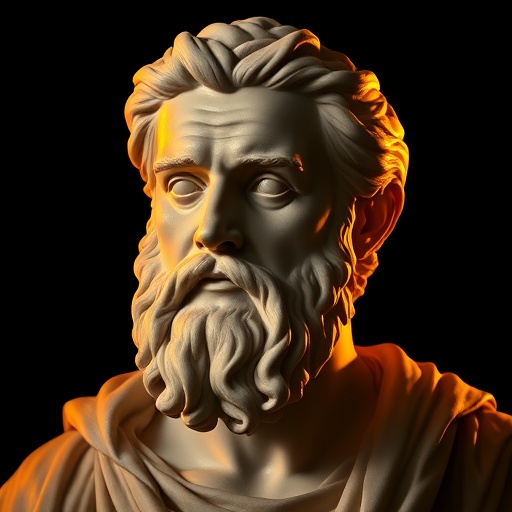
Hippocrates — "Prayer indeed is good, but while calling on the gods a man should himself lend a…"
Prayer indeed is good, but while calling on the gods a man should himself lend a hand.
Prayer indeed is good, but while calling on the gods a man should himself lend a hand.
Click any product to generate a realistic preview. Up to 3 at a time.
* Initial load can take up to 90 seconds — revising the preview in another color is nearly instant.
"All diseases begin in the gut."
"Eating alone will not keep a man well; he must also take exercise. For food and exercise, while possessing opposite qualities, yet work together to produce health."
"Those by nature overweight, die earlier than the slim."
"The soul is the same in all living creatures, although the body of each is different."
"War is the only surgeon that can cure a nation."
A pragmatic view combining faith with personal effort.
Date: c. 5th Century BCE
PhilosophicalFound in 1 providers: gemini
1 source checked
Relying solely on divine intervention is insufficient; you must take concrete action yourself. Wishing or hoping for outcomes without effort is passive and ineffective. True results come from combining faith or intention with personal responsibility and hard work. Belief without action accomplishes nothing — you must contribute your own effort to any endeavor you want to succeed.
As the Father of Medicine, Hippocrates built a practice grounded in empirical observation and rational treatment rather than supernatural explanations. Greek healers before him attributed illness to gods; Hippocrates insisted physicians intervene actively with diet, rest, and remedy. This quote mirrors his medical philosophy precisely: don't wait for divine cure — examine the patient, diagnose, and treat.
In ancient Greece, illness was widely understood as divine punishment or godly will, with healing temples like those of Asclepius central to medicine. Prayers and sacrifices were standard responses to disease. Hippocrates emerged during the 5th–4th century BCE rationalist movement, challenging supernatural medicine with naturalistic causation — making this quote a direct philosophical declaration against passive religious dependence in favor of human agency.
AI-generated insights based on extensive research and information for context. Factual errors? Email [email protected].
Your cart is empty