What it means
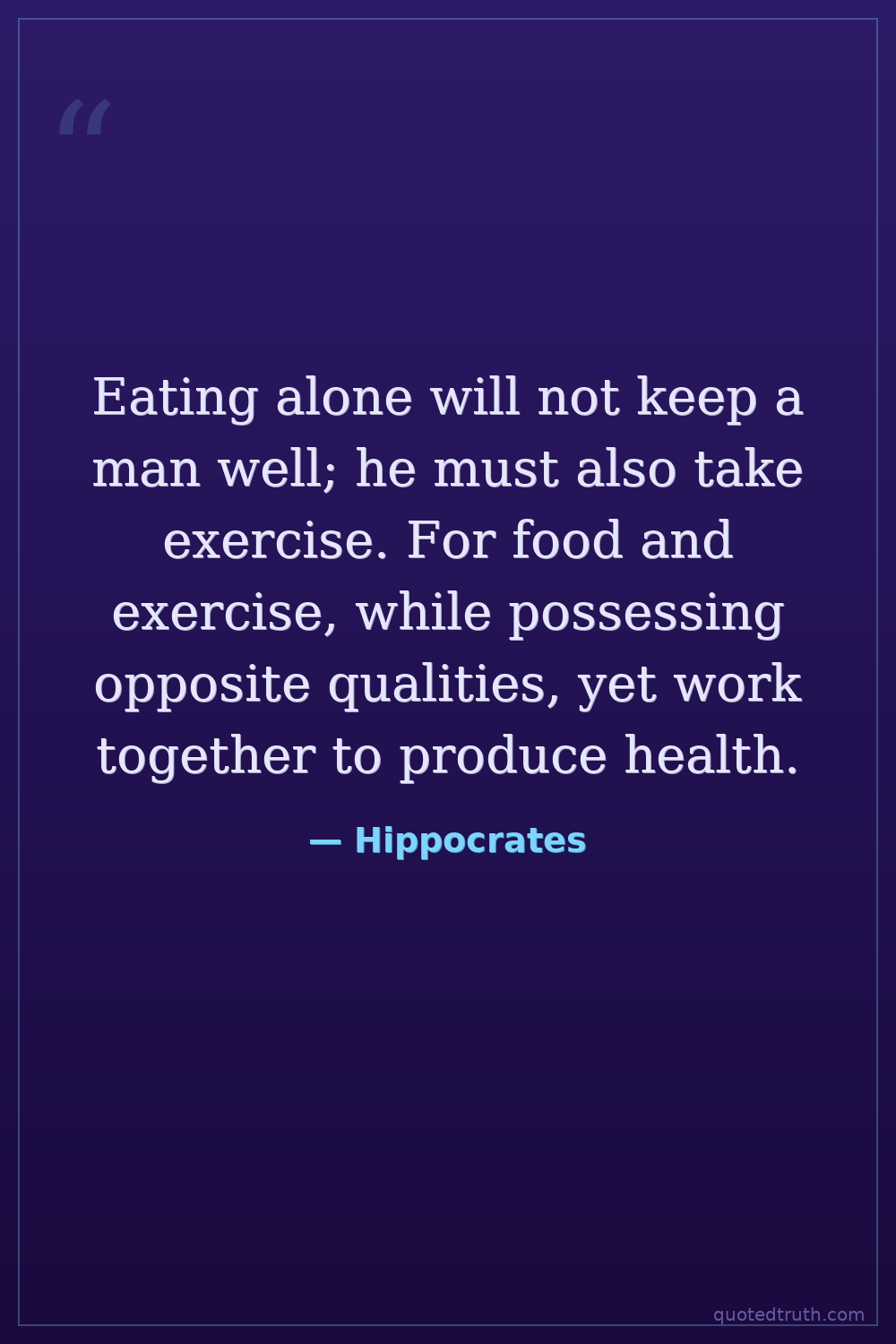
Good nutrition alone cannot sustain health — physical activity is equally necessary. Food and exercise appear to be opposites: one builds the body up, the other expends energy. Yet together they create something neither achieves alone: genuine wellbeing. This is the foundational insight of modern preventive medicine — diet and movement are interdependent, not alternatives. Neglect either and health deteriorates regardless of how well you manage the other.
Relevance to Hippocrates
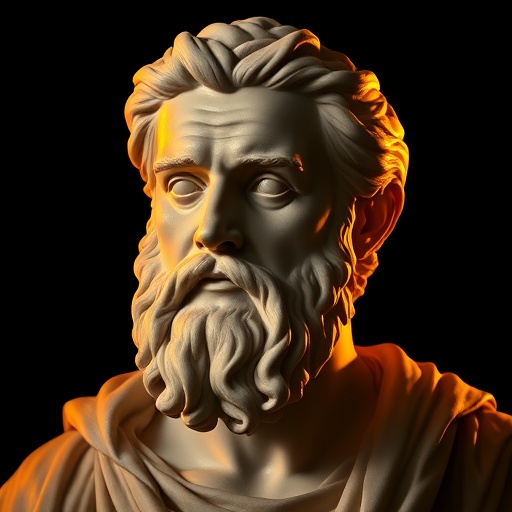
Hippocrates built medicine as an empirical discipline, rejecting supernatural explanations for illness in favor of observable lifestyle factors: diet, sleep, climate, and movement. As a practicing physician across the Greek world, he consistently observed that sedentary patients fared worse regardless of what they ate. His Corpus Hippocraticum repeatedly prescribes lifestyle adjustments rather than single remedies, making this balance of food and exercise central to his entire medical philosophy.
The era
In fifth-century BCE Greece, athletic culture was embedded in civic life — gymnasia, Olympic competitions, and military training shaped male identity — while medicine was largely controlled by temple priests at Asclepius healing shrines. Physical trainers and physicians operated in entirely separate domains. Hippocrates was among the first to unify them under a rational science of health, challenging religious healing traditions and the intuition-driven nature of athletic coaching simultaneously.
AI-generated insights based on extensive research and information for context. Factual errors? Email [email protected].