What it means
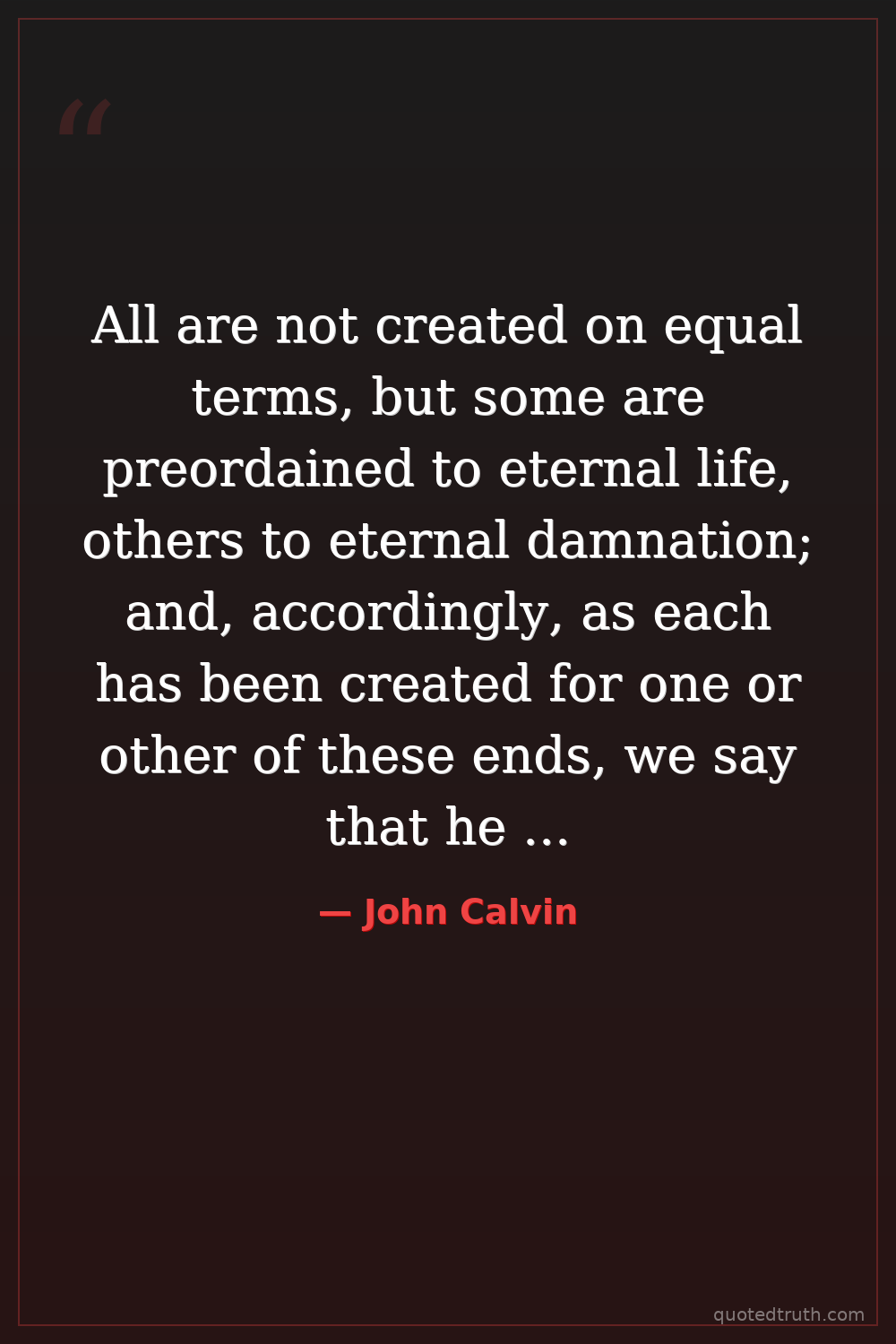
Before birth, God has already decided each person's eternal fate — some destined for heaven, others for hell, with no exceptions. Human effort, good deeds, or personal faith cannot change what divine decree has fixed. This is double predestination: not merely that God selects the saved, but that he equally determines the damned. Your eternal outcome was settled before you drew your first breath.
Relevance to John Calvin
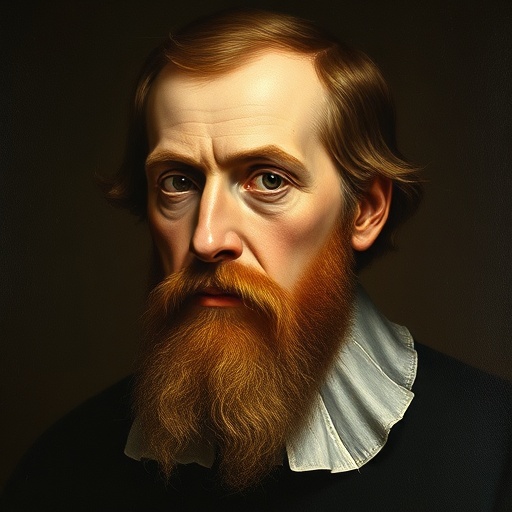
Predestination was the theological centerpiece of Calvin's life work. His landmark Institutes of the Christian Religion systematized this doctrine more rigorously than any predecessor. As pastor-governor of Geneva, he built a city around it. Calvin's belief in God's absolute sovereignty left zero room for human agency in salvation, shaping Presbyterianism, Puritanism, and Reformed churches worldwide and making him one of history's most consequential theological architects.
The era
Calvin wrote during the 1500s Protestant Reformation, when Europe fractured over Catholic Church authority. The era's defining question was how humans are saved — faith, works, or God's sovereign decree alone. Luther had already rejected Rome; Calvin built systematic theology atop that rupture. Salvation anxiety gripped ordinary people who feared hell. Calvin's predestination gave a radical answer: the outcome was never yours to earn or lose — God decided eternally.
AI-generated insights based on extensive research and information for context. Factual errors? Email [email protected].