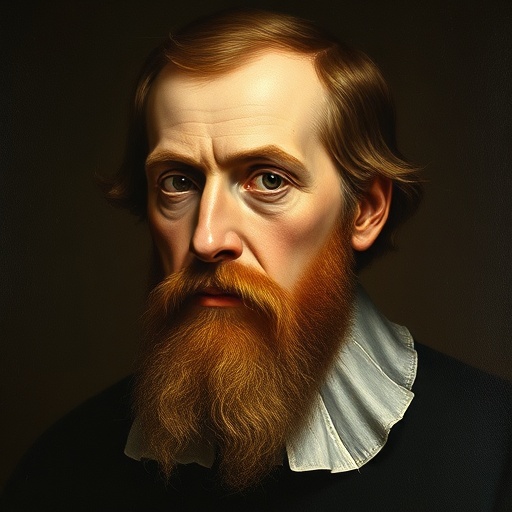
John Calvin — "The reprobate are not bound to believe, because God does not give them the grace…"
The reprobate are not bound to believe, because God does not give them the grace to believe.
The reprobate are not bound to believe, because God does not give them the grace to believe.
Click any product to generate a realistic preview. Up to 3 at a time.
* Initial load can take up to 90 seconds — revising the preview in another color is nearly instant.
"Prayer is the chief exercise of faith."
"God's love is the fountain of all our blessings."
"There is no other way to be saved than by the grace of God."
"We must live as if we were always in the presence of God."
"This is not laid down on human authority; it is God who speaks and prescribes a perpetual rule for his Church."
French theologian whose Institutes of the Christian Religion (1536) systematized Protestant Reformed doctrine, including predestination. Closely associated with Martin Luther (Reformation founder, Calvin's predecessor). For an intellectual contrast, see Jacobus Arminius, Dutch Reformed theologian (1560-1609) — Arminius's rejection of strict double-predestination founded Arminianism — the theological tradition modern Methodism, most evangelicalism, and Pentecostalism descend from. The Calvinist-Arminian debate has divided Protestantism for 400 years.
Found in 1 providers: grok
1 source checked
Those whom God has not chosen for salvation cannot be expected to have faith, because faith itself is a divine gift. Without God granting belief, a person is incapable of genuine faith. This removes human willpower from the equation entirely — salvation is not achieved through personal effort or decision, but is wholly determined by whether God extends grace to an individual.
Calvin built Reformed theology on predestination: God sovereignly elects some for salvation and passes over others. As Geneva's chief reformer, Calvin systematized this in the Institutes of the Christian Religion. His doctrine of double predestination — election and reprobation — was controversial but central. This quote captures his conviction that saving faith is entirely God's gift, not human achievement, reflecting his lifelong opposition to works-based or will-based salvation.
The Protestant Reformation fractured Western Christianity's assumption that sacraments and personal merit contributed to salvation. Calvin wrote amid fierce debates about grace, free will, and church authority. The Council of Trent was reasserting Catholic doctrine of human cooperation with grace. Calvin's stark predestinarianism directly challenged Erasmian humanism and Catholic synergism, making the question of who could believe — and why — one of the sixteenth century's most explosive theological controversies.
AI-generated insights based on extensive research and information for context. Factual errors? Email [email protected].
Your cart is empty