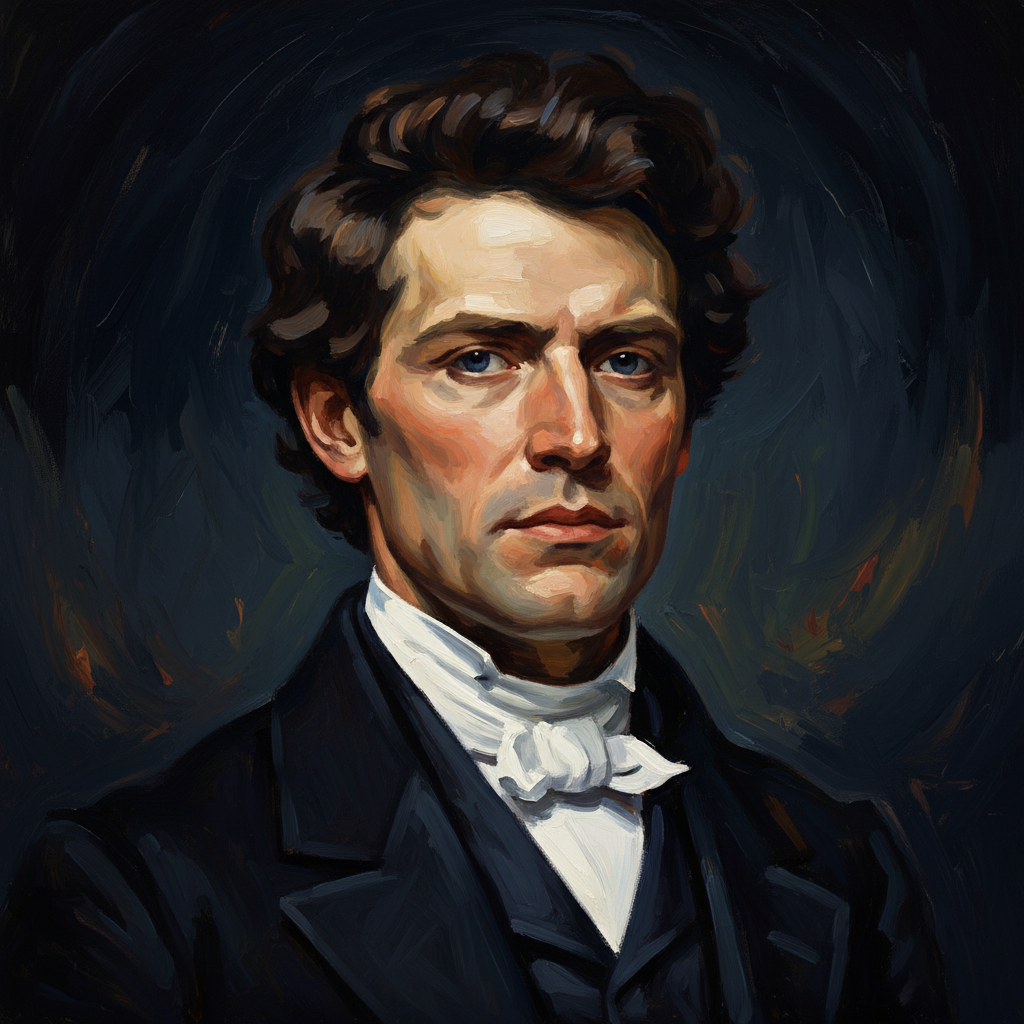
Joseph Smith — "All spirits are pure that come from the presence of God."
All spirits are pure that come from the presence of God.
All spirits are pure that come from the presence of God.
Click any product to generate a realistic preview. Up to 3 at a time.
* Initial load can take up to 90 seconds — revising the preview in another color is nearly instant.
"If a man marry a wife by my word, which is the word of the Lord, and by the new and everlasting covenant, and it is sealed unto them by the Holy Spirit of promise, according to the ordinances of my Ho…"
"I will refute that idea, and take away the veil, so that you may see."
"I am going to bring about the redemption of Zion, and build up the kingdom of God."
"If I am to be a martyr, I am willing to be one."
"I am a man of temperance, and I will be temperate in all things."
Found in 1 providers: gemini
1 source checked
This quote expresses the belief that human souls begin in a pure, uncorrupted state because they originate directly from God's presence. In modern terms, it affirms inherent human goodness — people aren't born sinful or spiritually flawed but arrive clean. It rejects the notion of innate moral corruption, suggesting our earliest spiritual nature is innocent and divine before entering mortal life and its moral complexity.
Smith built Latter-day Saint theology on a pre-mortal existence doctrine — spirits literally lived with God before birth, arriving inherently pure. This directly shaped Mormon practice: children aren't baptized until age 8 because infants are considered blameless. Smith, who wrestled with conflicting Christian denominations during his youth, rejected Calvinist total depravity and positioned this innate purity as foundational to humanity's divine identity and eternal potential.
In the 1820s–1840s, the Second Great Awakening swept America with revival preaching emphasizing human sinfulness, hellfire, and urgent conversion. Calvinist doctrines of total depravity and heated debates over infant damnation dominated Protestant theology. Smith's assertion of innate spiritual purity was a direct counter-cultural challenge — offering comfort to parents of deceased unbaptized children and reframing humanity's relationship with God away from inherited guilt toward divine origin.
AI-generated insights based on extensive research and information for context. Factual errors? Email [email protected].
Your cart is empty