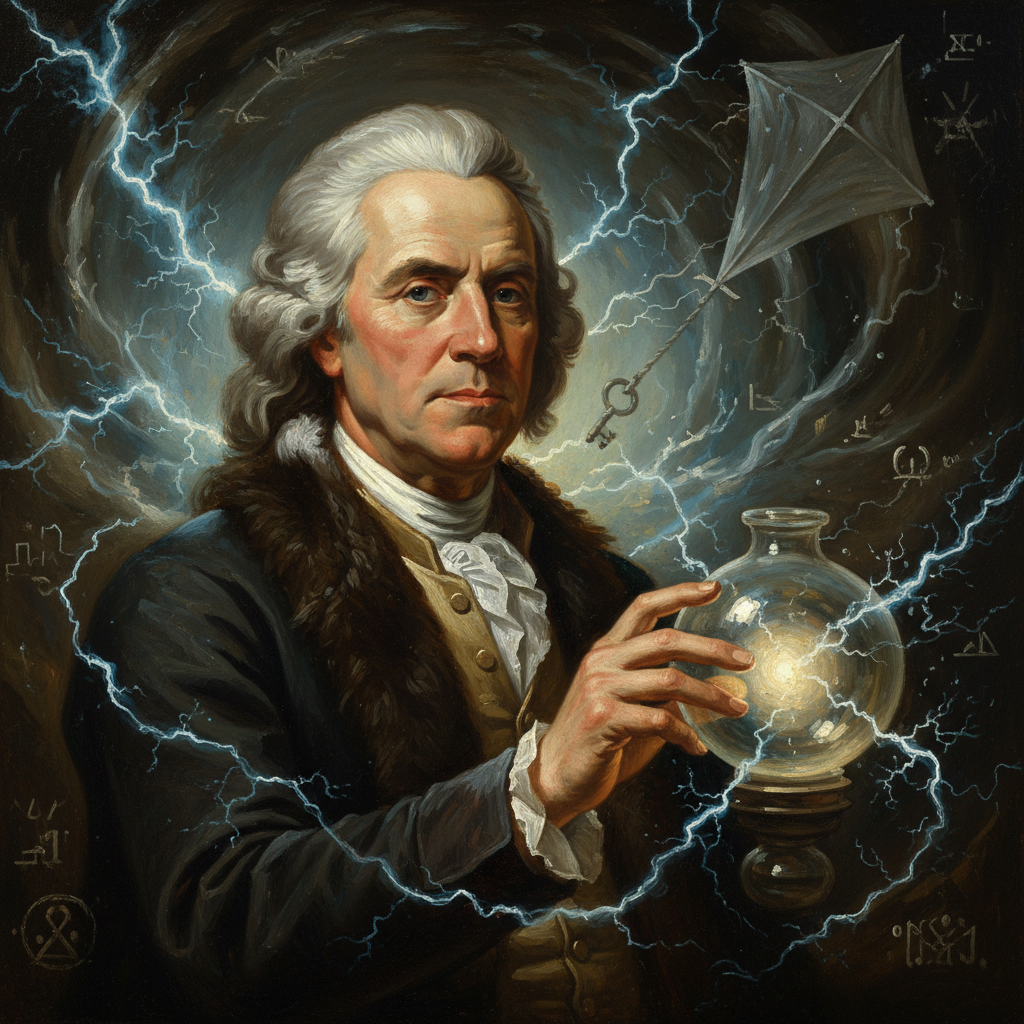
Benjamin Franklin — "An old young man will be a young old man."
An old young man will be a young old man.
An old young man will be a young old man.
Click any product to generate a realistic preview. Up to 3 at a time.
* Initial load can take up to 90 seconds — revising the preview in another color is nearly instant.
"In this world nothing can be said to be certain, except death and taxes."
"He that falls in love with himself will have no rivals."
"I am for doing good to the poor, but... I think the best way of doing good to the poor, is not making them easy in poverty, but leading or driving them out of it. I observed...that the more public pro…"
"By diligence and patience, the mouse ate through the cable."
"The discontented man finds no easy chair."
Polymath Founding Father, diplomat, and Poor Richard's Almanack author who helped draft the Declaration of Independence and the Constitution. Closely associated with John Adams (fellow Founder, Massachusetts statesman) and Thomas Jefferson (fellow Declaration drafter). For an intellectual contrast, see Thomas Hutchinson, last royal governor of colonial Massachusetts — Franklin leaked Hutchinson's loyalist correspondence to Boston in 1772 to inflame revolutionary sentiment — Hutchinson represented the colonial-aristocrat crown-loyalty that Franklin's revolution was organized to dismantle.
Found in 1 providers: gemini
1 source checked
Someone who is mature, disciplined, and wise in youth will remain vigorous and sharp in old age. The 'old young man' practices restraint, builds good habits, and avoids excess — behaviors typically associated with the elderly. In return, he retains energy and vitality when he actually ages. Invest in discipline early and you won't pay the price of premature decline. Reckless youth breeds a worn-out, diminished elder.
Franklin lived this principle himself — arriving in Philadelphia with almost nothing, he imposed a rigorous daily schedule and his famous 13 virtues on himself from his twenties onward. He remained intellectually and diplomatically sharp into his eighties, charming the French court, helping draft the Constitution, and conducting experiments. His Poor Richard's Almanack repeatedly urged readers to practice temperance and industry while young, treating self-discipline as the surest investment in a capable later life.
In colonial America, physical decline arrived early for most — hard labor, disease, and primitive medicine cut many lives short. Franklin wrote during the Enlightenment, when rational self-improvement was championed over fatalism. The era saw growing interest in hygiene, natural philosophy, and practical virtue as tools to extend human longevity. Franklin's aphorism resonated because surviving vigorously into old age was genuinely rare, and deliberate youthful discipline seemed a credible path to beating those grim odds.
AI-generated insights based on extensive research and information for context. Factual errors? Email [email protected].
Your cart is empty