Benjamin Franklin — "In this world nothing can be said to be certain, except death and taxes."
In this world nothing can be said to be certain, except death and taxes.
In this world nothing can be said to be certain, except death and taxes.
Click any product to generate a realistic preview. Up to 3 at a time.
* Initial load can take up to 90 seconds — revising the preview in another color is nearly instant.
"A fat kitchen, a lean will."
"Money can't buy happiness, but it can make you awfully comfortable while you're being miserable."
"For age and want save while you may; no morning sun lasts a whole day."
"Honest men marry soon, wise men never."
"He that falls in love with himself will have no rivals."
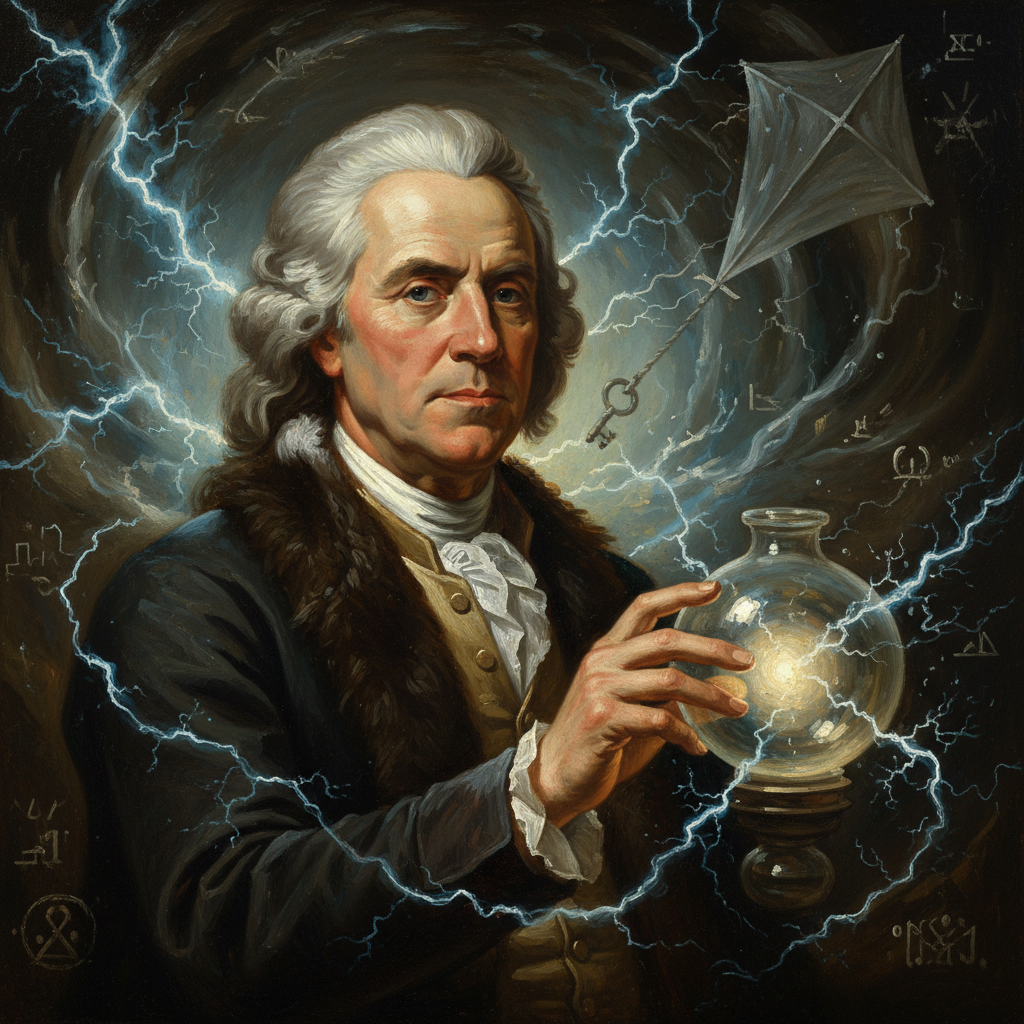
Polymath Founding Father, diplomat, and Poor Richard's Almanack author who helped draft the Declaration of Independence and the Constitution. Closely associated with John Adams (fellow Founder, Massachusetts statesman) and Thomas Jefferson (fellow Declaration drafter). For an intellectual contrast, see Thomas Hutchinson, last royal governor of colonial Massachusetts — Franklin leaked Hutchinson's loyalist correspondence to Boston in 1772 to inflame revolutionary sentiment — Hutchinson represented the colonial-aristocrat crown-loyalty that Franklin's revolution was organized to dismantle.
Found in 1 providers: deepseek
1 source checked
Life is wildly unpredictable — wealth disappears, plans collapse, relationships end. But two things await every person without exception: physical death and the government's demand for taxes. No amount of cleverness, wealth, or power escapes either. Strip away all the noise of daily life and only these two guarantees remain standing. It's dark humor dressed as practical wisdom, a stoic acknowledgment that some forces simply cannot be outrun or bargained away.
Franklin built wealth from nothing as a printer and businessman, making him acutely aware of tax burdens. He lived through the Stamp Act crisis that sparked revolution and later helped shape the new American republic's fiscal structures. As a scientist who studied aging and lost his son Francis to smallpox, mortality was personal, not abstract. His self-made pragmatism and legendary dry wit made this kind of unsentimental truth-telling central to his public character.
Franklin wrote this in a 1789 letter, the very year the U.S. Constitution took effect and the federal government began collecting taxes for the first time. Colonial Americans had fought a revolution partly over taxation without representation, making the topic visceral and immediate. Life expectancy hovered around 35-40 years, with smallpox, yellow fever, and war killing indiscriminately across all classes. Death and taxes were not abstractions — they were the defining inescapable realities of daily 18th-century life.
AI-generated insights based on extensive research and information for context. Factual errors? Email [email protected].
Your cart is empty