John Wesley — "Beware of judging men by their outward appearance, but judge them by their fruit…"
Beware of judging men by their outward appearance, but judge them by their fruits.
Beware of judging men by their outward appearance, but judge them by their fruits.
Click any product to generate a realistic preview. Up to 3 at a time.
* Initial load can take up to 90 seconds — revising the preview in another color is nearly instant.
"I cannot but observe, that the Methodists are not a people who are fond of novelties."
"I have often thought, that if I were to choose a language to speak, it should be Greek."
"Sing lustily and with a good courage. Beware of singing as if you were half dead, or half asleep; but lift up your voice with strength."
"I should be glad if I could spend my whole life in reading and writing."
"It is not possible for any one to be a true Christian believer, and not be a lover of mankind."
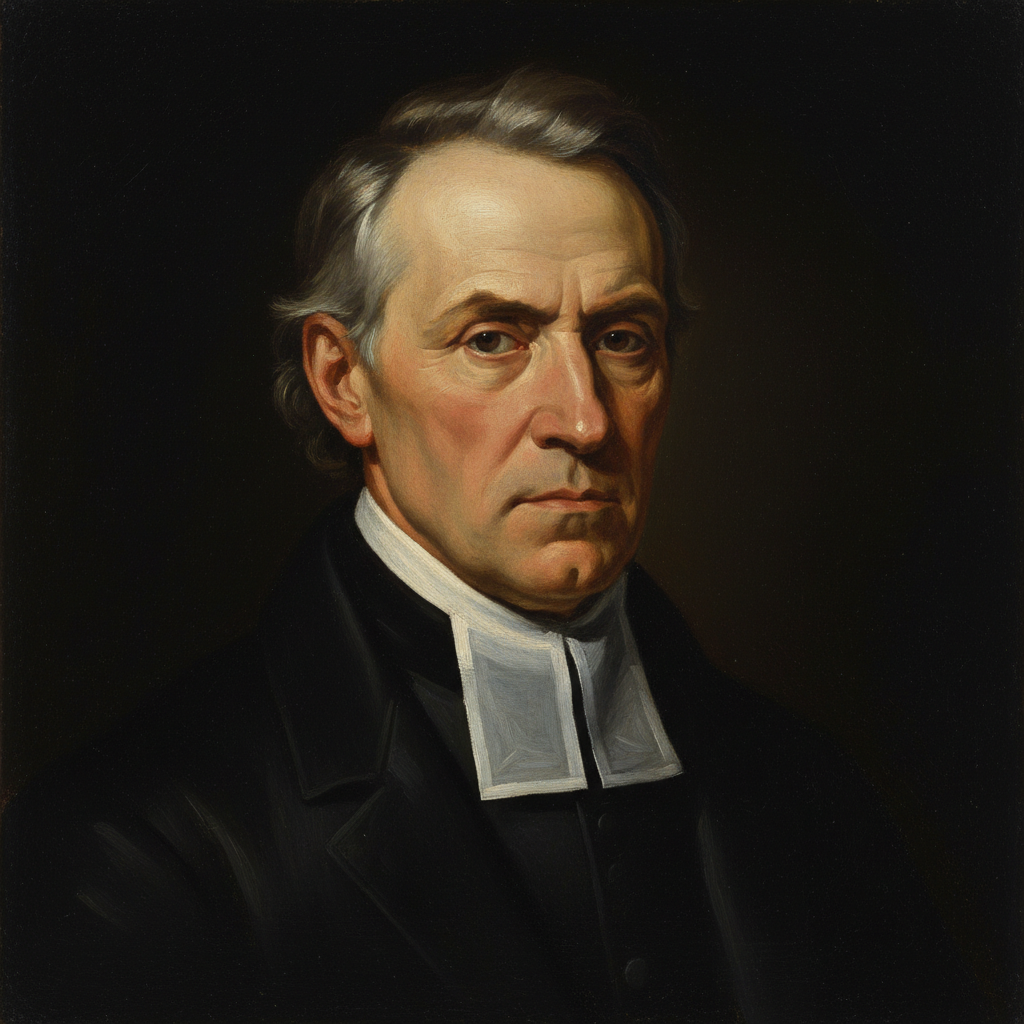
English Anglican cleric and founder of Methodism, whose open-air preaching and class-meeting structure created the largest 18th-century evangelical revival. Closely associated with Charles Wesley (his hymn-writing brother) and George Whitefield (early co-revivalist, later doctrinal opponent). For an intellectual contrast, see George Whitefield, Calvinist evangelical revivalist — Whitefield's predestinarian Calvinism vs Wesley's free-grace Arminian theology split the early Methodist movement permanently in the 1739-41 break. The founding evangelical Calvinist-Arminian schism — the two parallel evangelical traditions American Christianity descends from.
Found in 1 providers: grok
1 source checked
Don't judge people based on how they look, dress, or carry themselves socially. Instead, evaluate them by what they actually do—their actions, choices, and the impact they leave on others. 'Fruits' means the tangible results of someone's character over time. Superficial appearances deceive; consistent behavior reveals true character. This is a call for evidence-based moral judgment: look past the surface to the substance of a person's deeds.
Wesley routinely crossed England's rigid class lines by preaching to coal miners, factory hands, and the destitute—people polished society dismissed on sight. He assessed converts by spiritual transformation, not social rank: reformed drunks and former outcasts became Methodist lay preachers precisely because their changed lives proved their worth. His movement explicitly welcomed those the established Church excluded based on dress, poverty, or rough occupation.
Eighteenth-century Britain sorted people instantly by visible markers—clothing, speech, and occupation determined social worth before a word was spoken. The Church of England served the propertied classes while enclosure acts and early industrialization drove rural poor into overcrowded cities. Respectable appearance was equated with virtue; poverty was read as moral failure. Wesley's open-air preaching directly challenged this cultural reflex, insisting that spiritual fruit, not social polish, was the true measure.
AI-generated insights based on extensive research and information for context. Factual errors? Email [email protected].
Your cart is empty