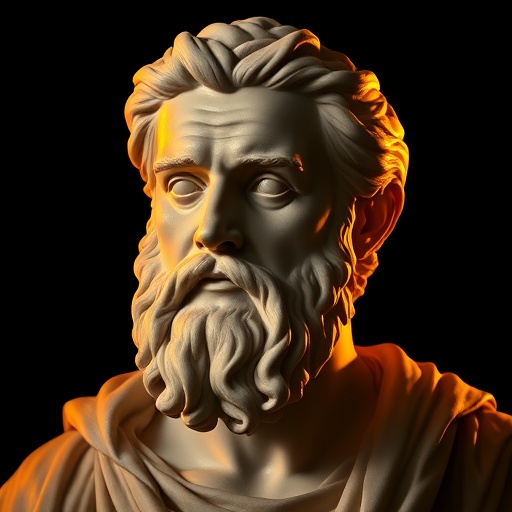
Hippocrates — "Fasting is the greatest remedy – the physician within."
Fasting is the greatest remedy – the physician within.
Fasting is the greatest remedy – the physician within.
Click any product to generate a realistic preview. Up to 3 at a time.
* Initial load can take up to 90 seconds — revising the preview in another color is nearly instant.
"War is the only surgeon that can cure a nation."
"The physician should be able to tell the antecedents, know the present, and foretell the future - must explain the things experienced and things not experienced, and must communicate to the sick the t…"
"To do nothing is sometimes a good remedy."
"If you want to live a long life, you must be careful not to eat too much of the same thing."
"He who wishes to be a surgeon should go to war."
Advocating for the therapeutic benefits of fasting, a 'weird' remedy for some.
Date: c. 460-370 BCE
WisdomFound in 1 providers: gemini
1 source checked
Abstaining from food allows the body to redirect energy from digestion toward self-repair. The 'physician within' refers to the body's innate healing capacity — what we now understand as autophagy, immune regulation, and metabolic reset. Rather than relying on external remedies, this argues that the most powerful healer already lives inside you. Fasting creates the conditions for that internal doctor to work undistracted.
Hippocrates built medicine on vis medicatrix naturae — the body's natural healing power. Practicing on Cos and across the Greek world, he prescribed diet and fasting before drugs or bleeding. His Hippocratic Corpus repeatedly emphasizes food restriction for fever and inflammation. For a physician who rejected supernatural cures and trusted natural processes, fasting embodied his core conviction: support the body's own intelligence rather than override it.
In 5th-century BC Greece, illness was typically attributed to divine punishment — temples of Asclepius offered prayer, sacrifice, and dream-healing. Hippocrates broke from this tradition, insisting disease had natural causes. Without antibiotics, surgery, or pharmacology, diet was among the few controllable therapeutic variables. Greek culture also prized moderation as a virtue, making fasting both a medical prescription and a philosophical challenge to religious authority over the human body.
AI-generated insights based on extensive research and information for context. Factual errors? Email [email protected].
Your cart is empty