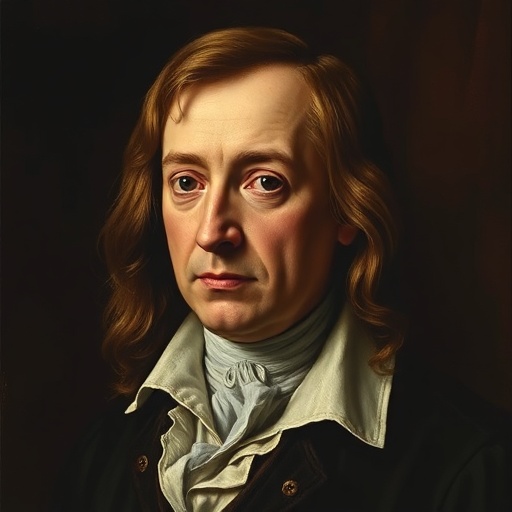
John Milton — "For what can war, but acts of war still breed, Till injur'd truth from violence …"
For what can war, but acts of war still breed, Till injur'd truth from violence be freed?
For what can war, but acts of war still breed, Till injur'd truth from violence be freed?
Click any product to generate a realistic preview. Up to 3 at a time.
* Initial load can take up to 90 seconds — revising the preview in another color is nearly instant.
"For what is liberty without wisdom, and without virtue? It is the greatest of all evils; for it is folly, vice, and madness, without tuition or restraint."
"For neither can we be in health, or have a sound mind, unless we are temperate."
"The attempt to keep out evil doctrine by licensing is like the exploit of that gallant man who thought to keep out the crows by shutting the park gate."
"The greatest part of men are but a rude multitude, and have no more sense of things than children."
"The hungry sheep look up, and are not fed, But swoln with wind, and the rank mist they draw, Rot inwardly, and foul contagion spread."
English poet whose Paradise Lost (1667) is the canonical English epic, written while blind during the Restoration after his service to Cromwell's Commonwealth. Closely associated with Andrew Marvell (Commonwealth poet and friend who protected Milton at the Restoration). For an intellectual contrast, see King Charles II's Restoration court, the courtly, sexually-libertine, theater-reopened world of 1660s London — Milton wrote Paradise Lost as a defeated Republican; the Restoration culture around him celebrated everything his Commonwealth had banned. The cleanest 'losing side writes the masterpiece' moment in English literature — Paradise Lost's Satan is freighted with the political defeat of the regicides Milton served.
Found in 1 providers: grok
1 source checked
Your cart is empty