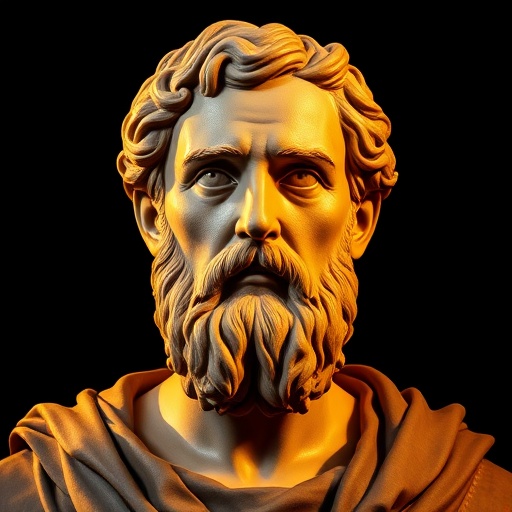
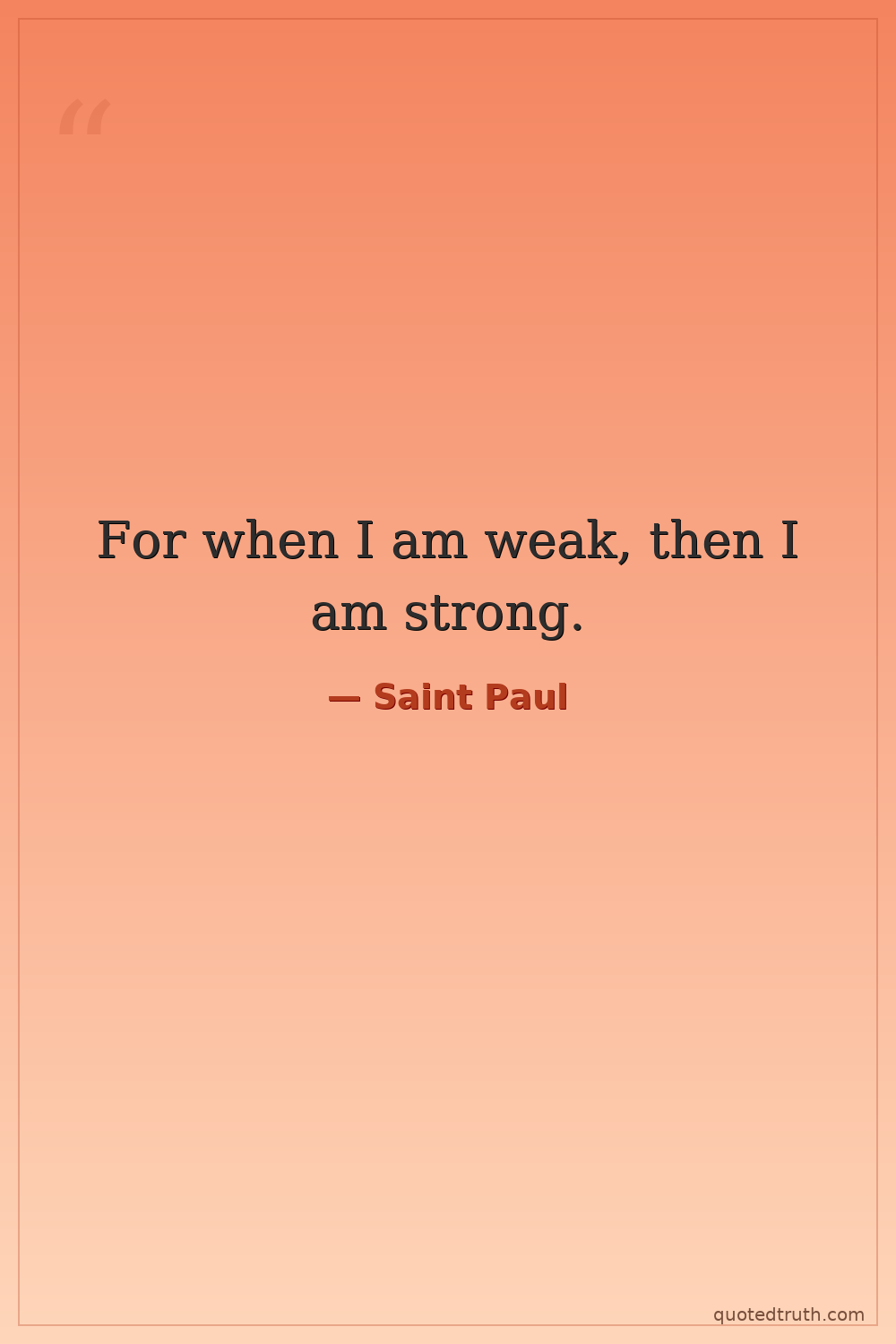
Saint Paul — "For when I am weak, then I am strong."
For when I am weak, then I am strong.
For when I am weak, then I am strong.
Click any product to generate a realistic preview. Up to 3 at a time.
* Initial load can take up to 90 seconds — revising the preview in another color is nearly instant.
"Do not be deceived: God cannot be mocked. A man reaps what he sows."
"Beware of dogs, beware of evil workers, beware of the mutilation!"
"Wherefore if meat make my brother to offend, I will eat no flesh while the world standeth, lest I make my brother to offend."
"For the letter kills, but the Spirit gives life."
"Be joyful in hope, patient in affliction, faithful in prayer."
Found in 2 providers: grok,gemini
2 sources checked
Real strength does not come from self-sufficiency or personal ability. When a person admits their limits, suffering, or inadequacy and stops relying on their own power, they open themselves to a deeper source of resilience, whether divine help, community support, or inner resolve. Accepting weakness paradoxically produces endurance, courage, and capability that pride and self-reliance cannot reach. Vulnerability is not the opposite of power but often the doorway to it.
Paul wrote this after pleading for relief from a tormenting physical affliction he called his thorn in the flesh. Once a proud, accomplished Pharisee and persecutor of Christians, his Damascus road encounter and later imprisonments, beatings, and shipwrecks forced him to rely on grace rather than status or intellect. As a tentmaker apostle traveling the Roman Empire, his authority grew precisely through hardship, making weakness central to his theology and personal identity.
First-century Greco-Roman culture prized honor, physical strength, rhetorical skill, and patronage. Stoic philosophers admired self-mastery, while Roman power celebrated military conquest. Paul wrote to Corinth, a wealthy port city obsessed with status and competing teachers boasting credentials. Christianity was a persecuted minority movement whose founder had been crucified, the ultimate Roman humiliation. Declaring weakness as strength directly subverted imperial values and reframed suffering, poverty, and social marginalization as spiritually meaningful rather than shameful.
AI-generated insights based on extensive research and information for context. Factual errors? Email [email protected].
Your cart is empty