What it means
Forced inward from an early age — through illness, isolation, or social struggle — the speaker endured real pain from this self-focus. But that same pressure built unusually sharp self-awareness and the ability to observe the world with precision. Suffering became the unexpected source of cognitive strength. The insight is that constraints imposed on us, even painful ones, can develop capacities we'd never cultivate through ease alone.
Relevance to Nikola Tesla
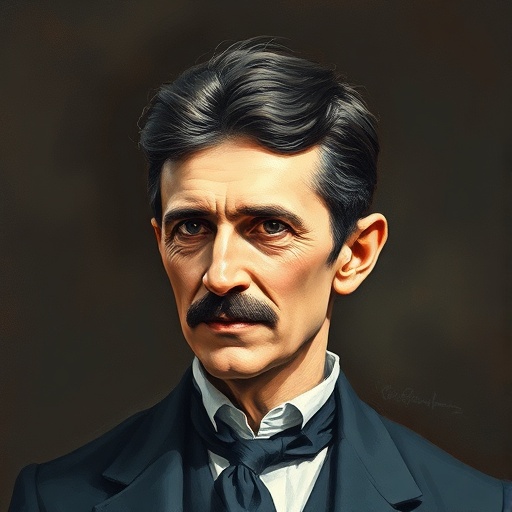
Tesla's childhood was marked by serious illness, near-death experiences, vivid hallucinations, and the traumatic death of his older brother Dane. These hardships drove him inward. His introspective powers became his greatest tool: he could visualize complete, working machines entirely in his mind before building a single component. His mental simulation ability — refining AC motors mentally over years — came directly from this lifelong habit of intense inner concentration.
The era
Tesla was born in 1856 in Serbia, coming of age during the Second Industrial Revolution when electricity was just being harnessed. Childhood psychology was not yet a science — Freud's work was decades away, and introspection as a formal method only emerged with Wundt's psychology lab in 1879. Children with unusual sensitivities or social difficulties had no framework or support; suffering in silence was the norm that ironically forged exceptional minds.
AI-generated insights based on extensive research and information for context. Factual errors? Email [email protected].