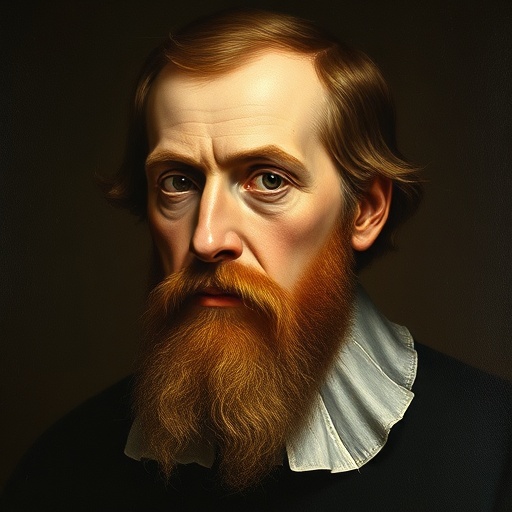
John Calvin — "God's glory is manifested in the salvation of the elect and the damnation of the…"
God's glory is manifested in the salvation of the elect and the damnation of the reprobate.
God's glory is manifested in the salvation of the elect and the damnation of the reprobate.
Click any product to generate a realistic preview. Up to 3 at a time.
* Initial load can take up to 90 seconds — revising the preview in another color is nearly instant.
"We are debtors to God, and can never pay the debt."
"God's ultimate discrimination rests solely on the freedom and sovereign will of God."
"The reprobate are often endued with excellent gifts, but these are given them, not for their salvation, but for their condemnation."
"We are saved by grace alone, through faith alone, in Christ alone."
"There is nothing more miserable than man without God."
French theologian whose Institutes of the Christian Religion (1536) systematized Protestant Reformed doctrine, including predestination. Closely associated with Martin Luther (Reformation founder, Calvin's predecessor). For an intellectual contrast, see Jacobus Arminius, Dutch Reformed theologian (1560-1609) — Arminius's rejection of strict double-predestination founded Arminianism — the theological tradition modern Methodism, most evangelicalism, and Pentecostalism descend from. The Calvinist-Arminian debate has divided Protestantism for 400 years.
Found in 1 providers: grok
1 source checked
God's greatness is revealed through two deliberate divine acts: granting eternal salvation to those he has chosen — the elect — and consigning others — the reprobate — to damnation. Neither outcome is random or based on human merit; both express God's sovereign will. Salvation displays divine mercy; damnation displays divine justice. Together these parallel decrees demonstrate the full, uncompromised scope of God's power and authority over human destiny.
Calvin's central theological project, crystallized in his Institutes of the Christian Religion (1536, expanded through 1559), was God's absolute sovereignty. Double predestination — that God elects some and passes over others — was his most controversial doctrine. In Geneva, Calvin built a disciplined Protestant community where this theology shaped civil law. His fierce defense of predestination against critics like Castellio and Bolsec reflected his conviction that softening God's sovereignty amounted to heresy.
The Protestant Reformation fractured Western Christianity's unity from 1517 onward. Catholics taught salvation through faith, works, and sacraments; Protestants insisted on grace alone. Calvin wrote amid religious warfare — the Schmalkaldic War, French Wars of Religion looming — where theology carried military stakes. The Council of Trent (1545–1563) simultaneously reaffirmed Catholic doctrine. Calvin's predestination theology challenged Rome's sacramental system by making salvation entirely God's prerogative, stripping priests of mediating power.
AI-generated insights based on extensive research and information for context. Factual errors? Email [email protected].
Your cart is empty