Benjamin Franklin — "Great talkers, little doers."
Great talkers, little doers.
Great talkers, little doers.
Click any product to generate a realistic preview. Up to 3 at a time.
* Initial load can take up to 90 seconds — revising the preview in another color is nearly instant.
"We must all hang together, or assuredly we shall all hang separately."
"Without freedom of thought there can be no such thing as wisdom; and no such thing as public liberty, without freedom of speech."
"scarcely worth a FART-HING"
"After crosses and losses, men grow humbler and wiser."
"The greatest pleasure of a dog is that you make a fool of yourself with him and not only will he not scold you, but he will make a fool of himself too."
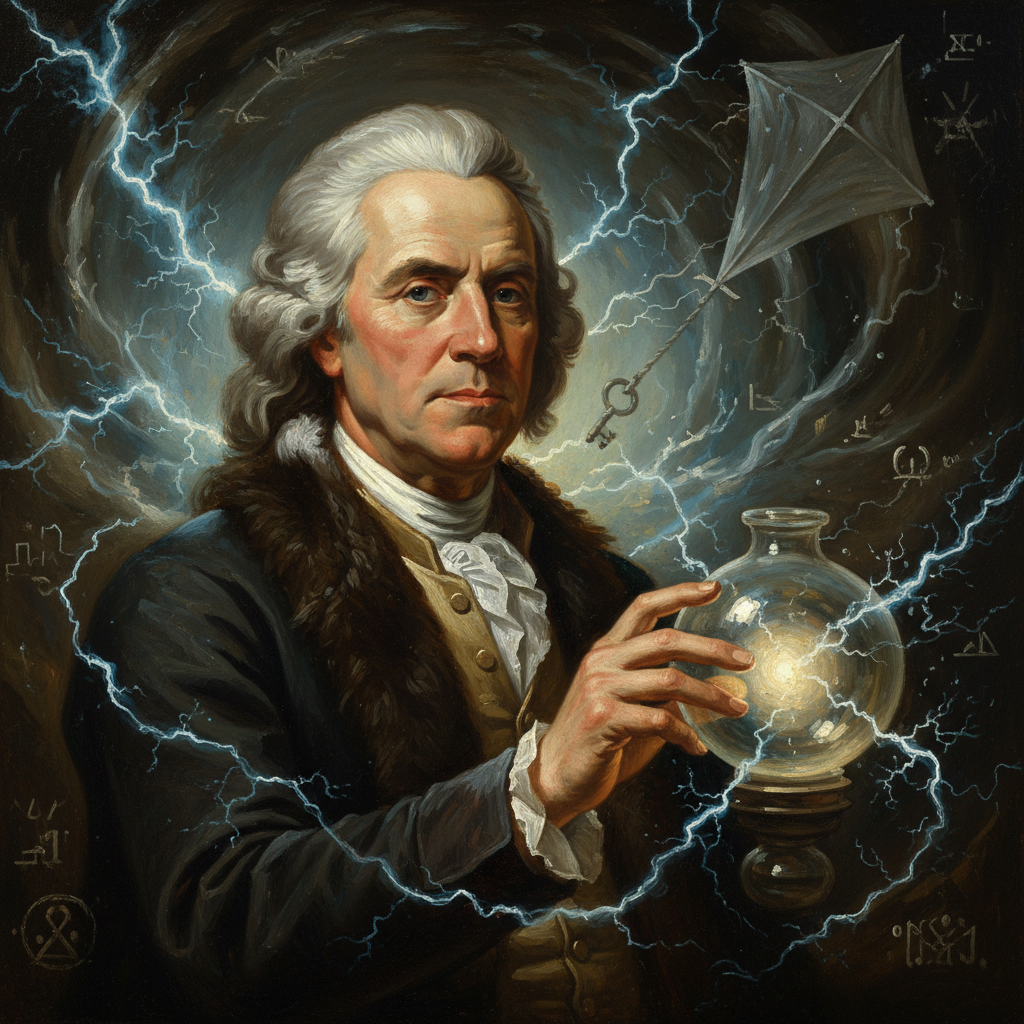
Polymath Founding Father, diplomat, and Poor Richard's Almanack author who helped draft the Declaration of Independence and the Constitution. Closely associated with John Adams (fellow Founder, Massachusetts statesman) and Thomas Jefferson (fellow Declaration drafter). For an intellectual contrast, see Thomas Hutchinson, last royal governor of colonial Massachusetts — Franklin leaked Hutchinson's loyalist correspondence to Boston in 1772 to inflame revolutionary sentiment — Hutchinson represented the colonial-aristocrat crown-loyalty that Franklin's revolution was organized to dismantle.
Found in 1 providers: grok
1 source checked
People who talk the most often accomplish the least. Words are cheap; action is what actually produces results. The quote warns against mistaking eloquence or boasting for competence. Someone who constantly announces plans, brags about intentions, or dominates conversation frequently substitutes talking for doing — using speech as a substitute for effort rather than a complement to it.
Franklin embodied relentless productivity: he invented the lightning rod, bifocals, and the flexible urinary catheter; founded libraries, fire departments, and universities; and negotiated the French alliance that won American independence. As a printer, he rose from apprentice to wealthy publisher through daily disciplined work. He distrusted rhetorical posturing, preferring measurable results — his Autobiography celebrates industriousness and frugality over self-promotion.
Colonial America rewarded practical skill over inherited status. Artisans, merchants, and farmers survived by output, not speech. Yet coffeehouses and taverns were filled with political orators and pamphlet writers whose grand declarations often went unexecuted. The Protestant work ethic framed idleness as sin. Franklin's era prized tangible contribution — building a new nation required people who acted, not merely those who argued eloquently about acting.
AI-generated insights based on extensive research and information for context. Factual errors? Email [email protected].
Your cart is empty