What it means
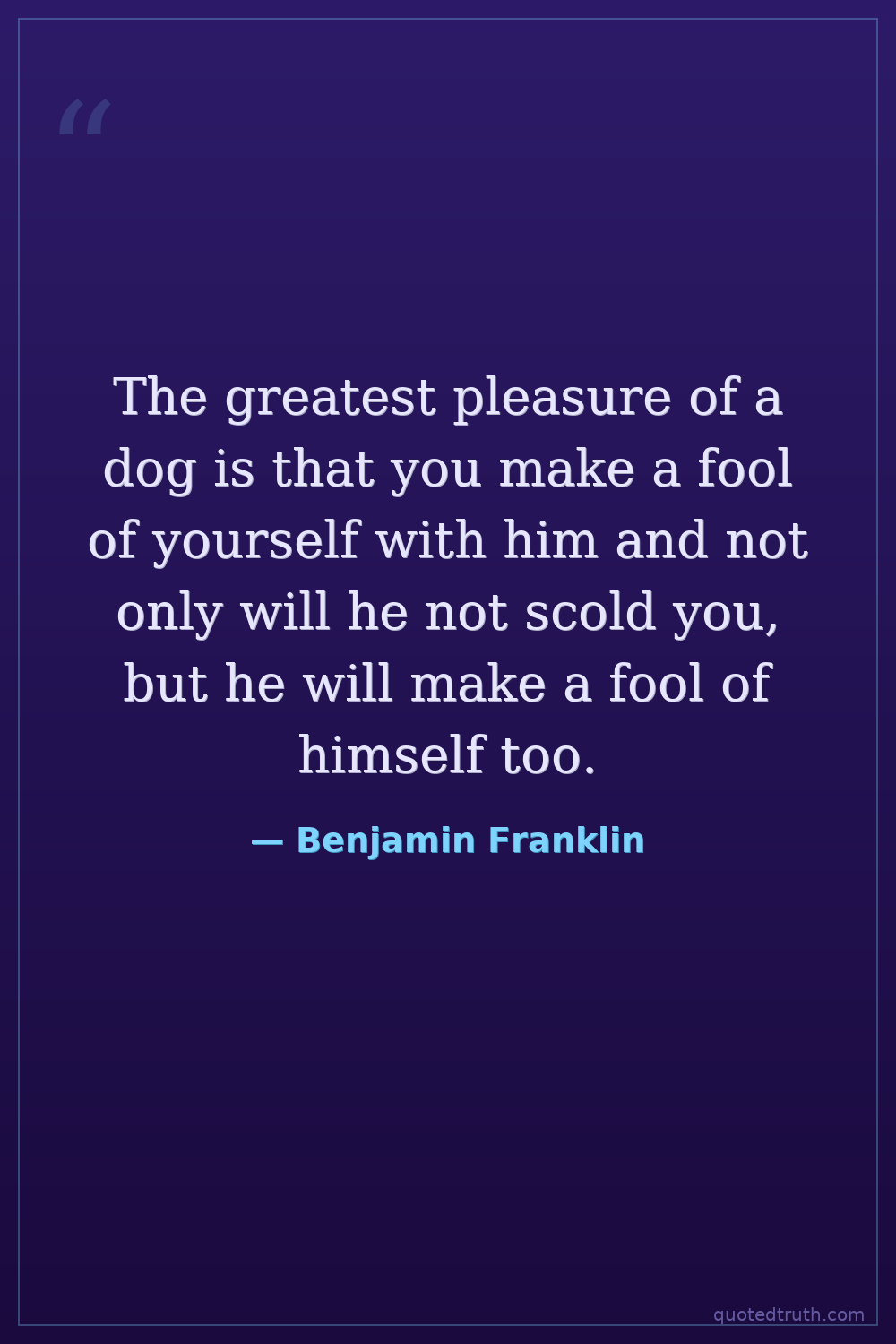
The quote captures the unconditional, judgment-free joy of dog companionship. Unlike humans, a dog doesn't enforce social norms or dignity — it eagerly matches your silliness with its own. The bond is built on mutual playfulness and total acceptance. In a world that demands composure and propriety, a dog offers a rare space where you can be completely uninhibited and find a willing, enthusiastic partner in that shared freedom.
Relevance to Benjamin Franklin
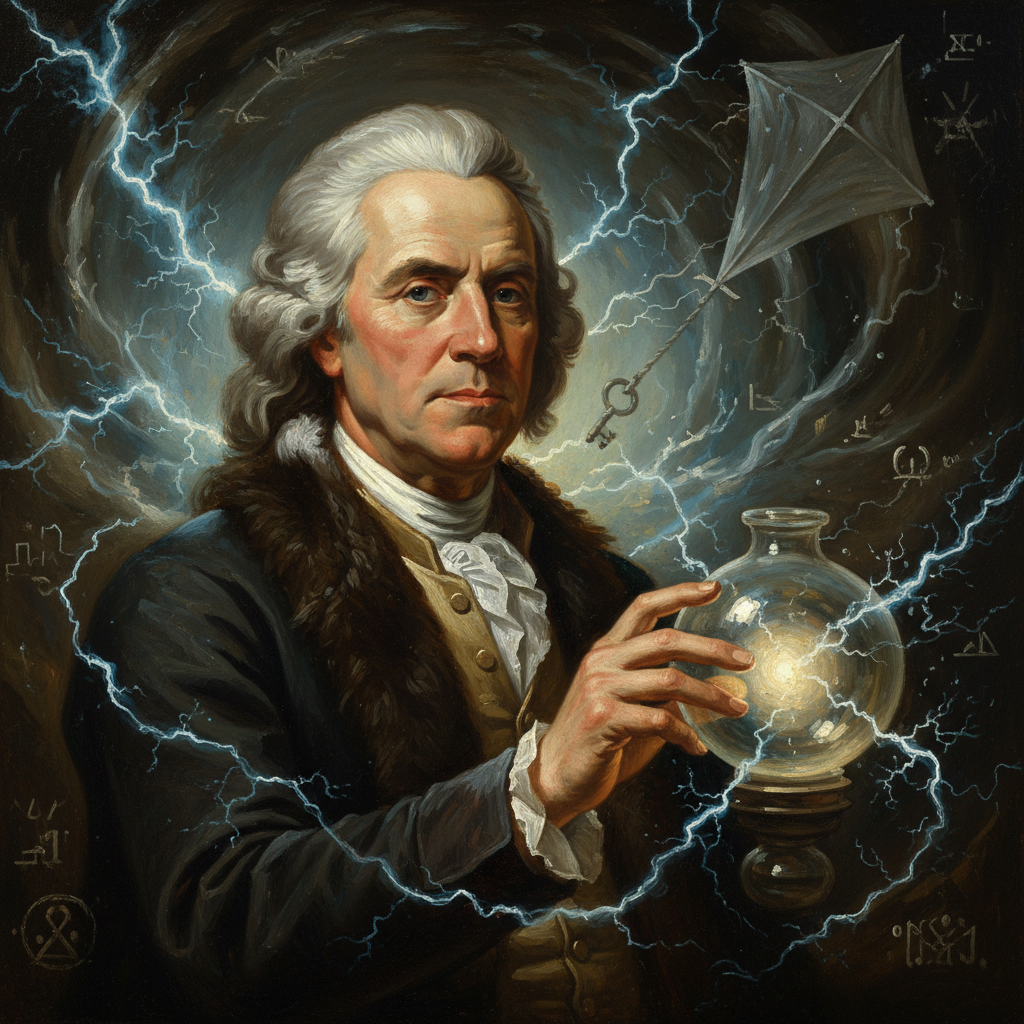
Franklin was renowned for wit, playfulness, and accessibility across all social classes — equally at ease with kings and farmers. His Poor Richard's Almanac brimmed with humorous, self-deprecating aphorisms. A man who flew kites in thunderstorms and invented bifocals for personal convenience understood practical joy. His diplomacy relied on charm and humor over stiff formality, making this embrace of undignified, mutual silliness entirely consistent with his documented character and lifelong philosophy.
The era
The 18th-century Enlightenment prized reason, decorum, and social hierarchy — public dignity was paramount among Franklin's circle of statesmen and intellectuals. Dogs in this era were primarily working animals: hunters, herders, guards. The notion of a dog as emotional equal in playfulness challenged class-conscious propriety. This quote subversively elevates animal companionship as a corrective to Enlightenment pretension, finding deeper human truth in voluntary foolishness freely shared across species.
AI-generated insights based on extensive research and information for context. Factual errors? Email [email protected].