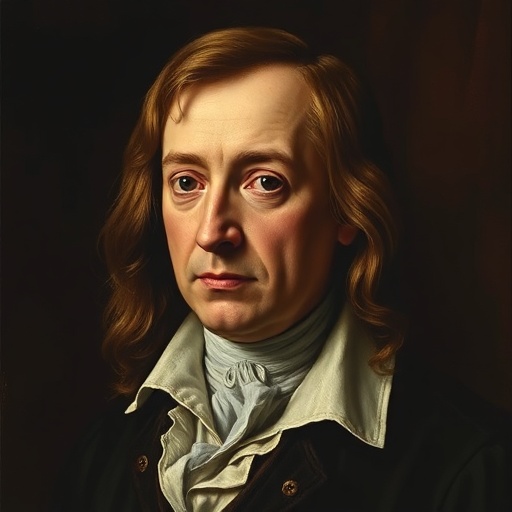
John Milton — "He who reigns within himself, and rules passions, desires, and fears, is more th…"
He who reigns within himself, and rules passions, desires, and fears, is more than a king.
He who reigns within himself, and rules passions, desires, and fears, is more than a king.
Click any product to generate a realistic preview. Up to 3 at a time.
* Initial load can take up to 90 seconds — revising the preview in another color is nearly instant.
"They also serve who only stand and wait."
"The greatest part of men are but a rude multitude, and have no more sense of things than children."
"That old man, as you say, who is blind and poor, or, to use your own words, 'blind, poor, and an outcast,' is a person who, on the contrary, is rich, and content with his lot, and far from being an ou…"
"Thus with the year Seasons return, but not to me returns Day, or the sweet approach of Eev'n or Morn, Or sight of vernal bloom, or Summer's Rose, Or flocks, or herds, or human face divine."
"Peace hath her victories No less renown'd than war."
English poet whose Paradise Lost (1667) is the canonical English epic, written while blind during the Restoration after his service to Cromwell's Commonwealth. Closely associated with Andrew Marvell (Commonwealth poet and friend who protected Milton at the Restoration). For an intellectual contrast, see King Charles II's Restoration court, the courtly, sexually-libertine, theater-reopened world of 1660s London — Milton wrote Paradise Lost as a defeated Republican; the Restoration culture around him celebrated everything his Commonwealth had banned. The cleanest 'losing side writes the masterpiece' moment in English literature — Paradise Lost's Satan is freighted with the political defeat of the regicides Milton served.
Found in 2 providers: grok,gemini
2 sources checked
Your cart is empty