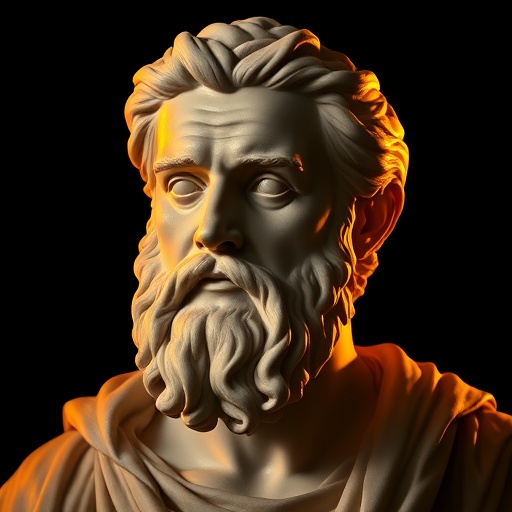
Hippocrates — "Healing is a matter of time, but it is sometimes also a matter of opportunity."
Healing is a matter of time, but it is sometimes also a matter of opportunity.
Healing is a matter of time, but it is sometimes also a matter of opportunity.
Click any product to generate a realistic preview. Up to 3 at a time.
* Initial load can take up to 90 seconds — revising the preview in another color is nearly instant.
"The most important organ is the brain."
"The best medicine is love and care."
"The physician must be able to heal himself."
"He who wishes to be a surgeon should go to war."
"The natural healing force within each one of us is the greatest force in getting well."
A philosophical observation on the factors influencing recovery.
Date: c. 460-370 BCE
WisdomFound in 3 providers: gemini,grok,deepseek
3 sources checked
Recovery requires patience — most wounds and illnesses resolve given enough time. But time alone isn't always sufficient. Sometimes healing depends on seizing the right moment: a timely intervention, a correct diagnosis acted upon quickly, or a patient's readiness to change. The quote acknowledges that medicine is both passive and active — you must wait, but you must also recognize and act decisively when the right conditions arise.
Hippocrates built medicine on careful observation and prognosis — predicting how illness unfolds over time. He championed nature's healing power, trusting the body to recover when given time. Yet his clinical writings stress that physicians must also act at the right moment — timing a dietary change, a purge, or rest precisely. This quote mirrors his core belief that the doctor is both patient witness and decisive opportunist, working with nature rather than against it.
In ancient Greece, illness was widely attributed to divine punishment, with healing sought through prayer at Asclepian temples. Hippocrates lived during Athens's golden age, when rational inquiry was reshaping philosophy and science. Against that religious backdrop, framing healing as a function of time and opportunity — not gods — was revolutionary. Limited surgical tools, recurring plagues, and battlefield wounds also made Greek physicians acutely aware that the window for effective intervention could open and close quickly.
AI-generated insights based on extensive research and information for context. Factual errors? Email [email protected].
Your cart is empty