What it means
Confucius admits he hasn't met anyone who genuinely loves goodness or truly despises cruelty. Someone who loves goodness treats it as the highest priority, letting nothing outrank it. Someone who hates wrongdoing guards themselves so carefully that corruption never gets close. Both stances demand total commitment. The observation is really a lament: people claim moral values but rarely live by them with uncompromising dedication, keeping ethics central in every choice.
Relevance to Confucius
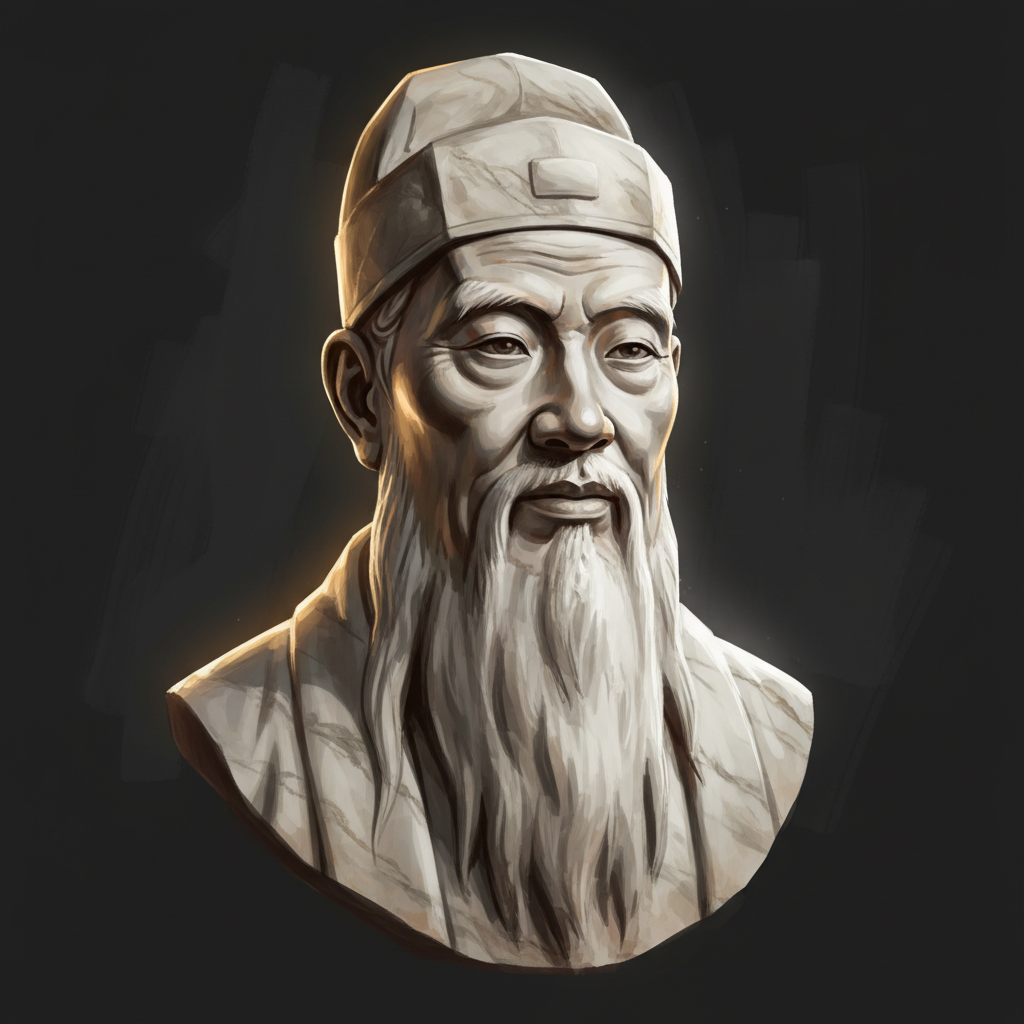
Confucius spent decades teaching that ren, or benevolence, was the supreme virtue and the foundation of a decent person. As a traveling teacher who repeatedly failed to find rulers willing to govern morally, his frustration here rings true. He interviewed officials, advised dukes, and watched ambition repeatedly trump virtue. His own standard was exacting: he refused posts under corrupt lords. This saying captures his lifelong disappointment that disciples and statesmen talked about goodness but would not structure their entire lives around it.
The era
Confucius lived during the late Spring and Autumn period around 551 to 479 BCE, as the Zhou dynasty fragmented into warring states. Rulers assassinated rivals, loyalty collapsed, and ritual propriety decayed. Aristocrats pursued power through treachery while peasants suffered. In this chaos, Confucius proposed that cultivating personal virtue, especially ren, could restore order from the ground up. His insistence on absolute moral commitment directly challenged an era where expedient cruelty was normalized and where even so-called gentlemen compromised ethics for political survival.
AI-generated insights based on extensive research and information for context. Factual errors? Email [email protected].