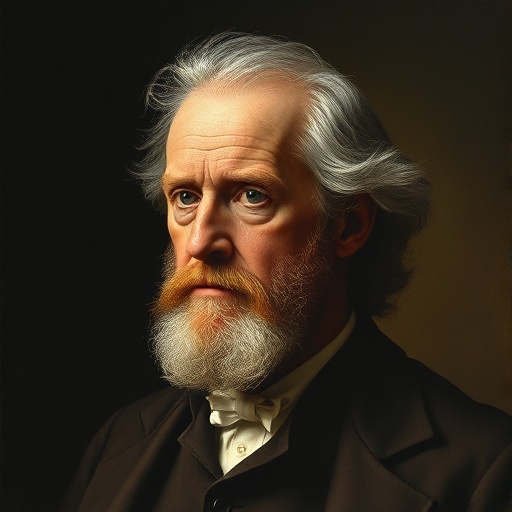
James Watt — "I have spent more time fixing other men's mistakes than making my own."
I have spent more time fixing other men's mistakes than making my own.
I have spent more time fixing other men's mistakes than making my own.
Click any product to generate a realistic preview. Up to 3 at a time.
* Initial load can take up to 90 seconds — revising the preview in another color is nearly instant.
"Dr Priestly (sic) was once very ill with gall stones & was cured by abstinence from Butcher meat. ... fish & vegetables & butter or fat did not hurt him when taken in moderation, but his Doctors must …"
"Every inefficiency in machinery is an insult to the engineer."
"He says that he got the idea from a lobster's tail."
"I would rather face a loaded cannon than settle a patent dispute."
"groped in the dark, misled by many an ignis fatuus, but nature has a weak side, if we can only find it out."
Found in 1 providers: deepseek
1 source checked
This quote captures the frustration of a skilled expert who spends most of their energy correcting inherited flaws rather than pursuing original work. In modern terms, it is the complaint of any engineer or specialist handed broken systems before they can build anything new. It reflects the tension between reactive maintenance—cleaning up messes others leave behind—and proactive creation, suggesting mastery is often consumed by remediation rather than invention.
Watt's career literally began by repairing a Newcomen steam engine for the University of Glasgow around 1763. Diagnosing that engine's inefficiencies led directly to his invention of the separate condenser. He spent subsequent decades correcting subcontractors' faulty castings, leaking cylinders, and imprecise tolerances his partners produced. His defining breakthrough emerged from another man's flawed foundation, making this quote a candid self-portrait of an engineer whose greatest innovations were born from fixing what predecessors got wrong.
Thomas Newcomen's atmospheric engine had operated since 1712, powering British mines for fifty years before Watt encountered it. Mid-18th-century metallurgy was primitive—cylinders couldn't hold tolerances, valves leaked, and no formal engineering profession existed to standardize practice. Craftsmen inherited undocumented designs and learned by diagnosing failures. Patent law was nascent and contested, meaning borrowed or poorly executed ideas circulated freely, forcing skilled practitioners to spend careers correcting work that should never have left the workshop.
AI-generated insights based on extensive research and information for context. Factual errors? Email [email protected].
Your cart is empty