What it means
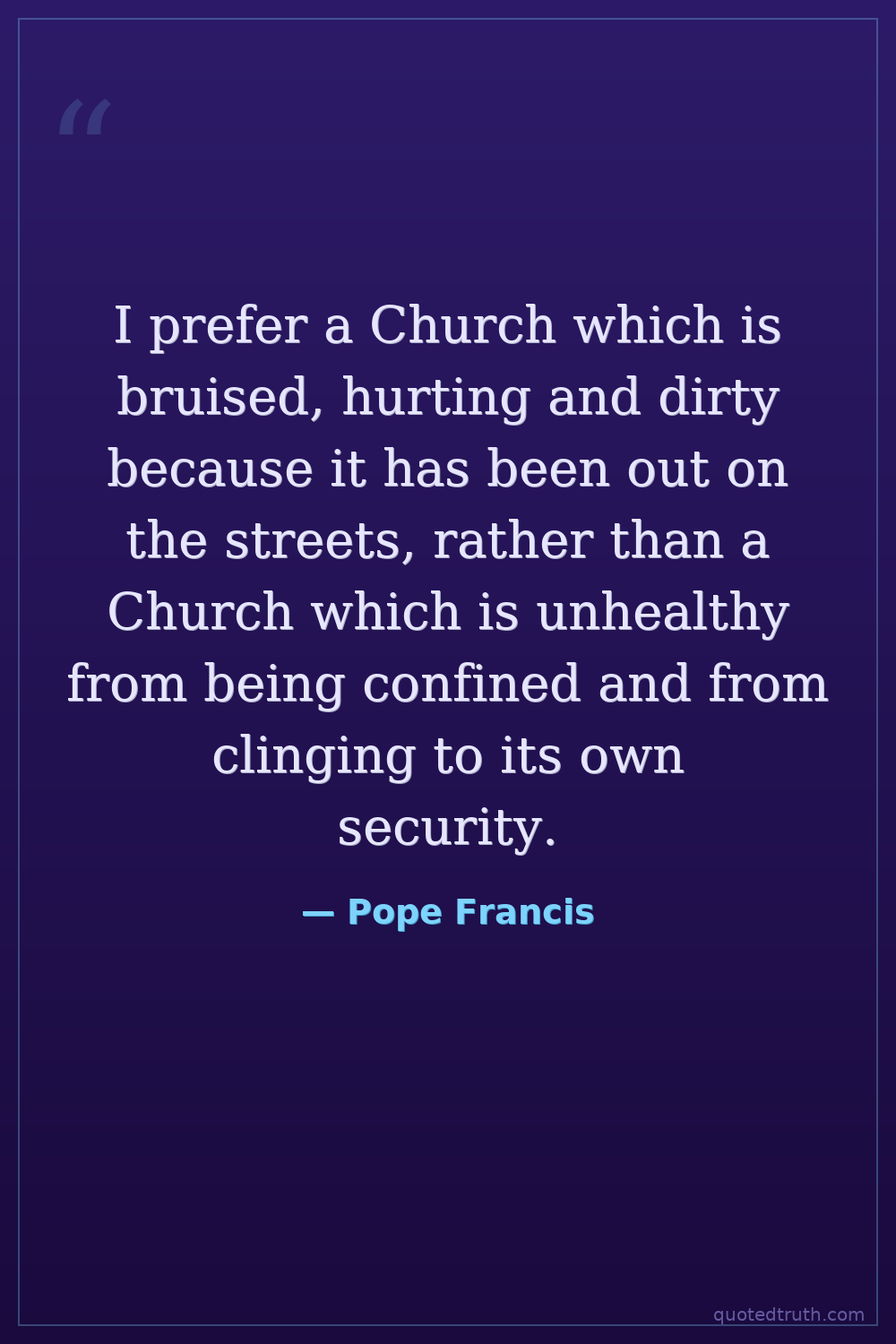
A genuine institution—or person—that takes risks by engaging with poverty, suffering, and injustice will absorb damage in the process. That damage is evidence of meaningful action. An institution that prioritizes its own reputation, comfort, and doctrinal purity over direct engagement with human suffering is choosing a slower, more corrosive kind of decay. The brokenness that comes from service is honorable; the brittleness that comes from self-protection is fatal.
Relevance to Pope Francis
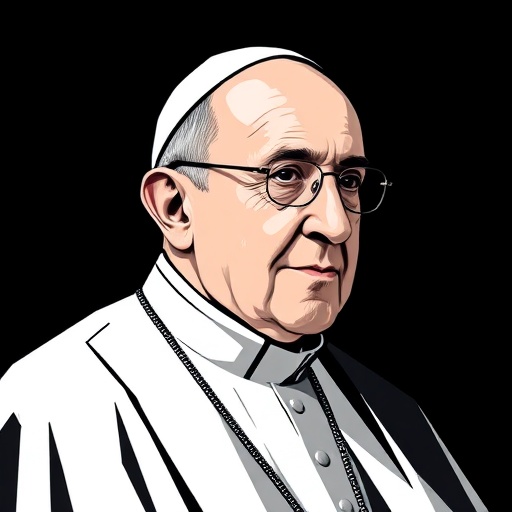
Jorge Bergoglio grew up working-class in Buenos Aires, rode public buses as Archbishop rather than use official vehicles, and cooked his own meals instead of relying on clerical staff. He took the name Francis—after the saint of poverty and service—telegraphing his priorities. Known for washing prisoners' feet, visiting refugee camps, and demanding Vatican reform, his entire papacy has pushed clergy away from institutional comfort and toward direct contact with the marginalized.
The era
Francis was elected in 2013 after Benedict XVI resigned amid the Vatileaks scandal and spreading clergy sexual abuse crises. Church attendance was declining sharply across Europe and the Americas. Meanwhile, the global refugee crisis, extreme inequality, and rising populist nationalism were reshaping society. His pontificate responded to a Church widely perceived as more invested in protecting its reputation and enforcing doctrine than in accompanying the poor, sick, and displaced.
AI-generated insights based on extensive research and information for context. Factual errors? Email [email protected].