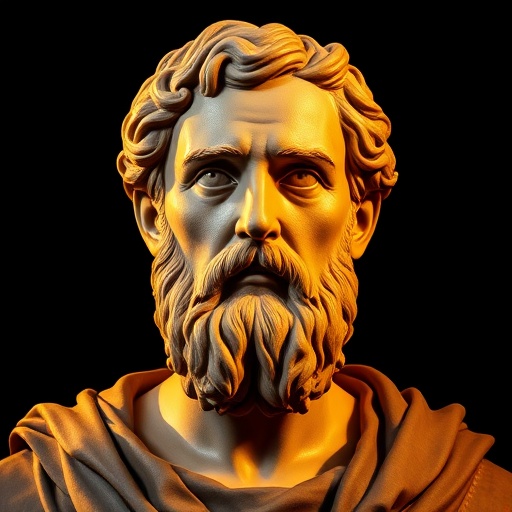
Saint Paul — "If I must needs glory, I will glory of the things which concern mine infirmities…"
If I must needs glory, I will glory of the things which concern mine infirmities.
If I must needs glory, I will glory of the things which concern mine infirmities.
Click any product to generate a realistic preview. Up to 3 at a time.
* Initial load can take up to 90 seconds — revising the preview in another color is nearly instant.
"For the message of the cross is foolishness to those who are perishing, but to us who are being saved it is the power of God."
"Let your women keep silence in the churches: for it is not permitted unto them to speak; but they are commanded to be under obedience, as also saith the law."
"Be joyful in hope, patient in affliction, faithful in prayer."
"I have fought the good fight, I have finished the race, I have kept the faith."
"Is any man called being circumcised? let him not become uncircumcised. Is any called in uncircumcision? let him not be circumcised."
Found in 1 providers: gemini
1 source checked
If forced to brag about myself, I'll brag about my weaknesses, not my strengths. Most people boast about achievements, talents, or credentials to impress others. Paul flips that logic: the things worth highlighting are the struggles, failures, and limitations, because those reveal genuine character and create space for something greater than ego to work through a person. Vulnerability, not self-promotion, is the real measure of a life.
Paul wrote this defending his ministry against rival teachers in Corinth who flaunted credentials and charisma. A former Pharisee with elite rabbinical training under Gamaliel, he could have matched any resume. Instead he listed beatings, shipwrecks, imprisonments, and a mysterious 'thorn in the flesh.' His whole conversion narrative hinged on being struck blind on the Damascus road, so weakness was literally where his authority started.
First-century Greco-Roman culture ran on honor and shame. Public boasting, patronage networks, and rhetorical showmanship were how teachers, philosophers, and civic leaders built followings. Sophists toured cities performing credentials. Corinth especially prized status and eloquence. For a traveling teacher to deliberately glory in humiliation inverted every social convention, which is exactly why Paul's letters landed so disruptively and why early Christianity spread through slaves, women, and the urban poor first.
AI-generated insights based on extensive research and information for context. Factual errors? Email [email protected].
Your cart is empty