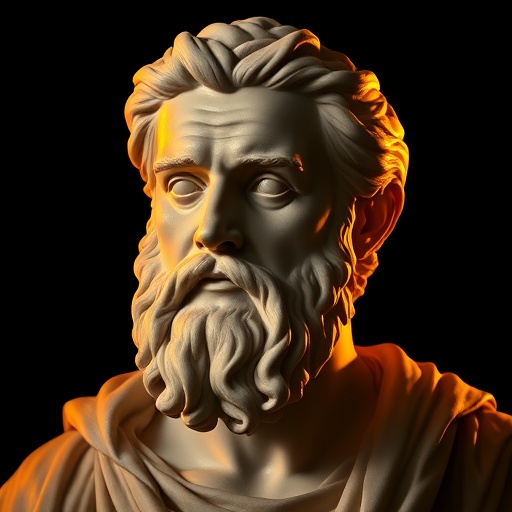
Hippocrates — "It is well to be up before daybreak, for such habits contribute to health, wealt…"
It is well to be up before daybreak, for such habits contribute to health, wealth, and wisdom.
It is well to be up before daybreak, for such habits contribute to health, wealth, and wisdom.
Click any product to generate a realistic preview. Up to 3 at a time.
* Initial load can take up to 90 seconds — revising the preview in another color is nearly instant.
"Illnesses do not come upon us out of the blue. They are developed from small daily sins against Nature. When enough sins have accumulated, illnesses will suddenly appear."
"Extreme remedies are very appropriate for extreme diseases."
"The soul is the same in all living creatures, although the body of each is different."
"The healthy man does not think about his health."
"Healing is an art, not a science."
Found in 1 providers: grok
1 source checked
Waking early gives you a head start on the day, aligning your body with natural light cycles to support physical health. It creates time for productive work before distractions arise, building financial wellbeing. The quiet morning hours also foster clear thinking and reflection. The core idea is that disciplined daily habits compound over time — small consistent choices about how you structure your day shape your health, prosperity, and mental sharpness.
Hippocrates built medicine on observing natural patterns — seasons, diet, sleep, and daily rhythm. As a physician who trained healers on the island of Cos, he prescribed lifestyle adjustments before drugs or procedures. Rising with daylight fit his doctrine that the body heals best when aligned with nature. His Corpus writings repeatedly tie bodily health to routine and environment, making early rising not a moral platitude but a clinical recommendation from the founding figure of systematic medicine.
Ancient Greece in the 5th–4th centuries BCE was an agrarian society where the day's work began at sunrise. Without artificial lighting, human life followed the sun entirely. Hippocrates practiced as city-states competed in commerce, warfare, and philosophy — all demanding sharp minds and capable bodies. The agora opened at dawn; soldiers drilled at first light. His framing of early rising as contributing to health, wealth, and wisdom mapped practical medicine directly onto Greek civic ideals of the fully flourishing life.
AI-generated insights based on extensive research and information for context. Factual errors? Email [email protected].
Your cart is empty