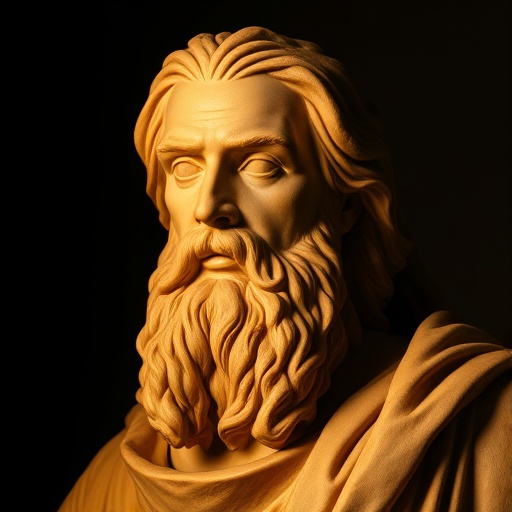
Moses — "Let my people go."
Let my people go.
Let my people go.
Click any product to generate a realistic preview. Up to 3 at a time.
* Initial load can take up to 90 seconds — revising the preview in another color is nearly instant.
"You shall not covet your neighbor’s house. You shall not covet your neighbor’s wife, or his male or female servant, his ox or donkey, or anything that belongs to your neighbor."
"You shall not let any of your children pass through the fire to Molech."
"Man does not live on bread alone but on every word that comes from the mouth of the LORD."
"If thy presence go not with me, carry us not up hence."
"I am not able to bear all this people alone, because it is too heavy for me."
Exodus 5:1, Moses speaking to Pharaoh on behalf of God.
Date: c. 13th-15th century BCE (traditional dating)
WisdomFound in 1 providers: grok
1 source checked
This is a direct demand for freedom from oppression. The speaker tells a powerful ruler to release an enslaved population so they can live and worship on their own terms. It rejects the idea that one group of people can own another, and frames liberation as non-negotiable. The phrase has become shorthand for any oppressed community insisting on its basic right to self-determination rather than pleading for mercy.
Moses spoke these words to Pharaoh while leading the Israelites out of Egyptian slavery, according to the Exodus narrative. Raised in Pharaoh's household but born a Hebrew, he straddled both worlds before choosing his people. As a prophet and lawgiver, his identity was built on confronting tyranny and receiving divine law at Sinai. The demand reflects his defining mission: transforming an enslaved tribe into a covenant nation bound by ethical commandments.
During the late Bronze Age, Egypt was a dominant empire that relied heavily on forced labor for monumental building projects. Slavery of foreign populations was standard across the ancient Near East, and gods were typically tied to specific territories and rulers. A prophet demanding a pharaoh release thousands of workers in the name of a single, universal God was radically subversive, challenging both the economic engine of empire and the divine status claimed by Egyptian kings.
AI-generated insights based on extensive research and information for context. Factual errors? Email [email protected].
Your cart is empty