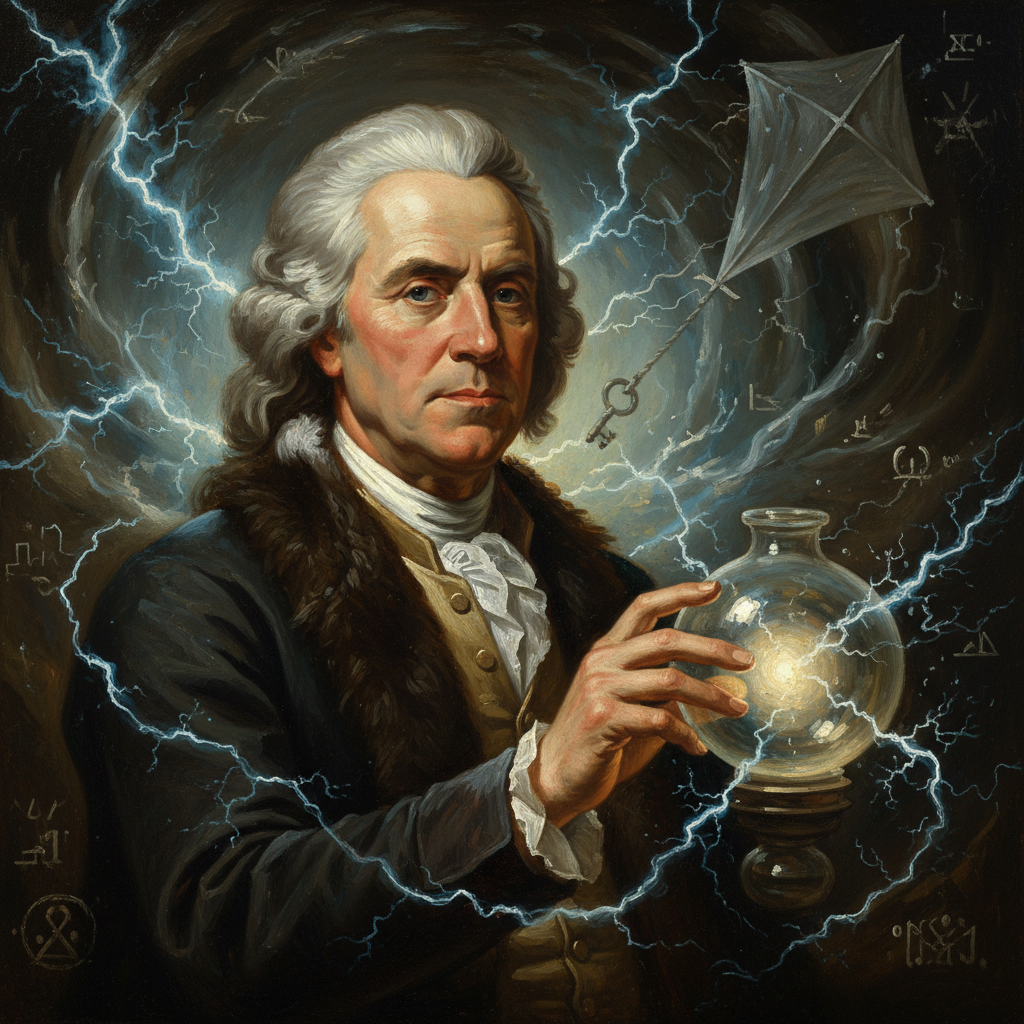
Benjamin Franklin — "Many a man thinks he is buying pleasure, when he is only buying himself trouble."
Many a man thinks he is buying pleasure, when he is only buying himself trouble.
Many a man thinks he is buying pleasure, when he is only buying himself trouble.
Click any product to generate a realistic preview. Up to 3 at a time.
* Initial load can take up to 90 seconds — revising the preview in another color is nearly instant.
"Nothing is certain except death and taxes."
"One today is worth two tomorrows."
"Justice will not be served until those who are unaffected are as outraged as those who are."
"Without freedom of thought there can be no such thing as wisdom; and no such thing as public liberty, without freedom of speech."
"Search others for their virtues, thy self for thy vices."
Polymath Founding Father, diplomat, and Poor Richard's Almanack author who helped draft the Declaration of Independence and the Constitution. Closely associated with John Adams (fellow Founder, Massachusetts statesman) and Thomas Jefferson (fellow Declaration drafter). For an intellectual contrast, see Thomas Hutchinson, last royal governor of colonial Massachusetts — Franklin leaked Hutchinson's loyalist correspondence to Boston in 1772 to inflame revolutionary sentiment — Hutchinson represented the colonial-aristocrat crown-loyalty that Franklin's revolution was organized to dismantle.
Found in 1 providers: grok
1 source checked
This warns against mistaking short-term gratification for genuine benefit. When someone chases quick pleasure — an impulsive purchase, a vice, a reckless deal — they often ignore the consequences that follow. The real cost surfaces later, usually larger than expected. It's a caution against self-deception: what feels like a reward in the moment is frequently a transaction where you end up paying far more than you anticipated.
Franklin rose from poverty through deliberate frugality, codifying that discipline in Poor Richard's Almanack. He watched debt, drinking, and idle amusements destroy Philadelphia tradesmen firsthand. His 13 virtues explicitly targeted temperance and frugality. Having acknowledged personal weaknesses himself, Franklin preached this lesson partly from lived experience — understanding that pleasurable choices carry compounding costs, and that self-mastery was the only reliable path to lasting prosperity and reputation.
Colonial America had no consumer credit protections or bankruptcy safety nets. Taverns, gambling dens, and speculative land schemes regularly bankrupted families overnight. The 18th century brought a flood of imported British luxury goods, tempting colonists into cycles of debt. Franklin wrote for tradesmen and the middling classes, people for whom one frivolous or impulsive transaction could spiral into irreversible poverty — making financial self-deception a genuine existential threat, not merely a moral failing.
AI-generated insights based on extensive research and information for context. Factual errors? Email [email protected].
Your cart is empty