Benjamin Franklin — "Justice will not be served until those who are unaffected are as outraged as tho…"
Justice will not be served until those who are unaffected are as outraged as those who are.
Justice will not be served until those who are unaffected are as outraged as those who are.
Click any product to generate a realistic preview. Up to 3 at a time.
* Initial load can take up to 90 seconds — revising the preview in another color is nearly instant.
"He that lies down with dogs shall rise up with fleas."
"Be at war with your vices, at peace with your neighbors, and let every new year find you a better man."
"After all, wedlock is the natural state of man. A bachelor is not a complete human being. He is like the odd half of a pair of scissors, which has not yet found its fellow, and therefore is not even h…"
"The only things certain in life are death and taxes."
"The greatest pleasure of a dog is that you make a fool of yourself with him and not only will he not scold you, but he will make a fool of himself too."
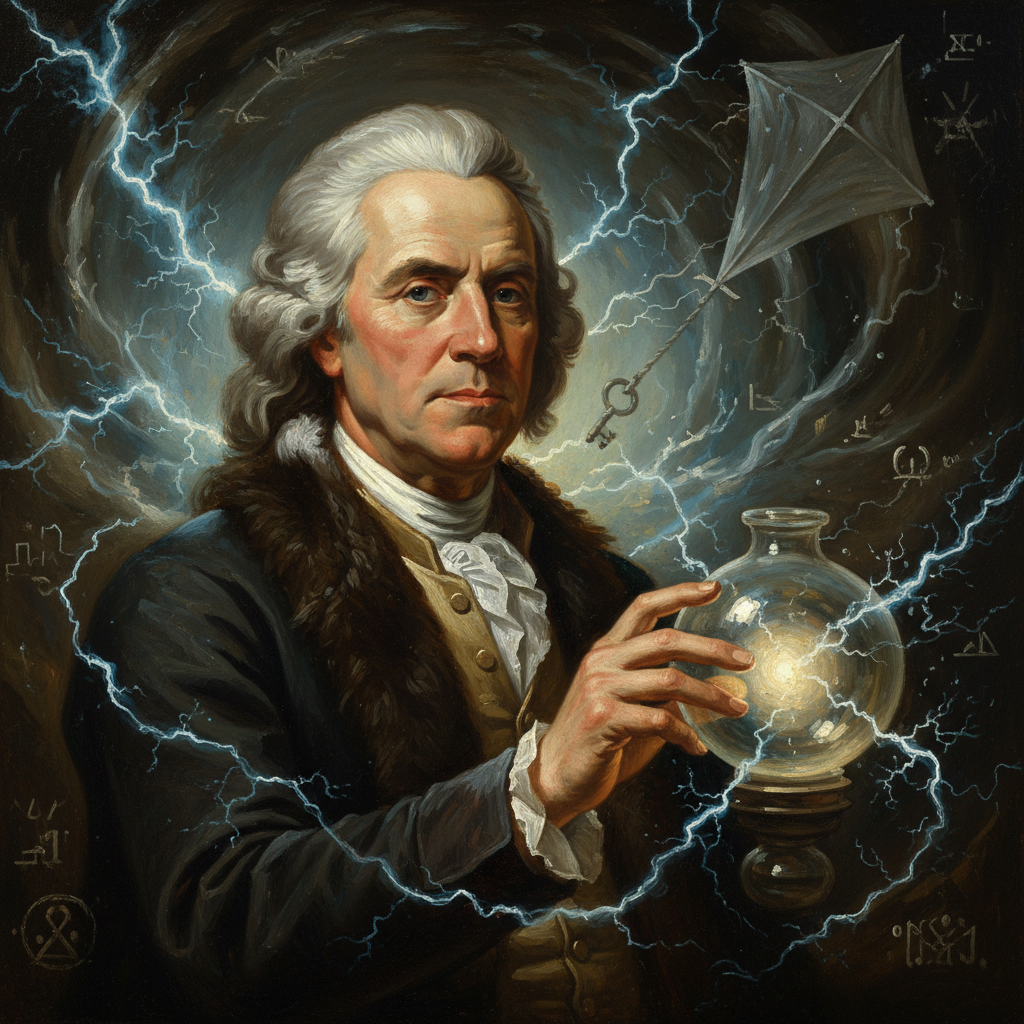
Polymath Founding Father, diplomat, and Poor Richard's Almanack author who helped draft the Declaration of Independence and the Constitution. Closely associated with John Adams (fellow Founder, Massachusetts statesman) and Thomas Jefferson (fellow Declaration drafter). For an intellectual contrast, see Thomas Hutchinson, last royal governor of colonial Massachusetts — Franklin leaked Hutchinson's loyalist correspondence to Boston in 1772 to inflame revolutionary sentiment — Hutchinson represented the colonial-aristocrat crown-loyalty that Franklin's revolution was organized to dismantle.
Found in 1 providers: gemini
1 source checked
Real justice isn't passive — it demands that people with no personal stake feel the same moral urgency as those directly harmed. When bystanders and the comfortable majority stay silent or indifferent, injustice persists unchallenged. Solidarity, not just sympathy, is the engine of justice: until those unaffected feel genuine outrage, systemic wrongs go unaddressed and the burden falls only on victims.
Franklin's final public act was signing an antislavery petition to Congress as president of the Pennsylvania Abolition Society in 1790, weeks before his death. He understood that white colonists unharmed by slavery had to actively oppose it, not stay neutral. His lifelong belief in civic duty, expressed through founding hospitals, libraries, and fire companies, demanded that comfortable citizens engage in causes beyond their immediate self-interest.
In Franklin's era, slavery was legal and normalized across the colonies; only those enslaved suffered directly, while wealthy landowners and merchants profited or ignored it. The Enlightenment championed universal rights, yet the majority remained passive. Founding debates over liberty exposed this contradiction starkly — men drafting declarations of freedom simultaneously held enslaved people. Moral progress required the unaffected majority to treat distant suffering as their own urgent cause.
AI-generated insights based on extensive research and information for context. Factual errors? Email [email protected].
Your cart is empty