Benjamin Franklin — "Money can't buy happiness, but it can make you awfully comfortable while you're …"
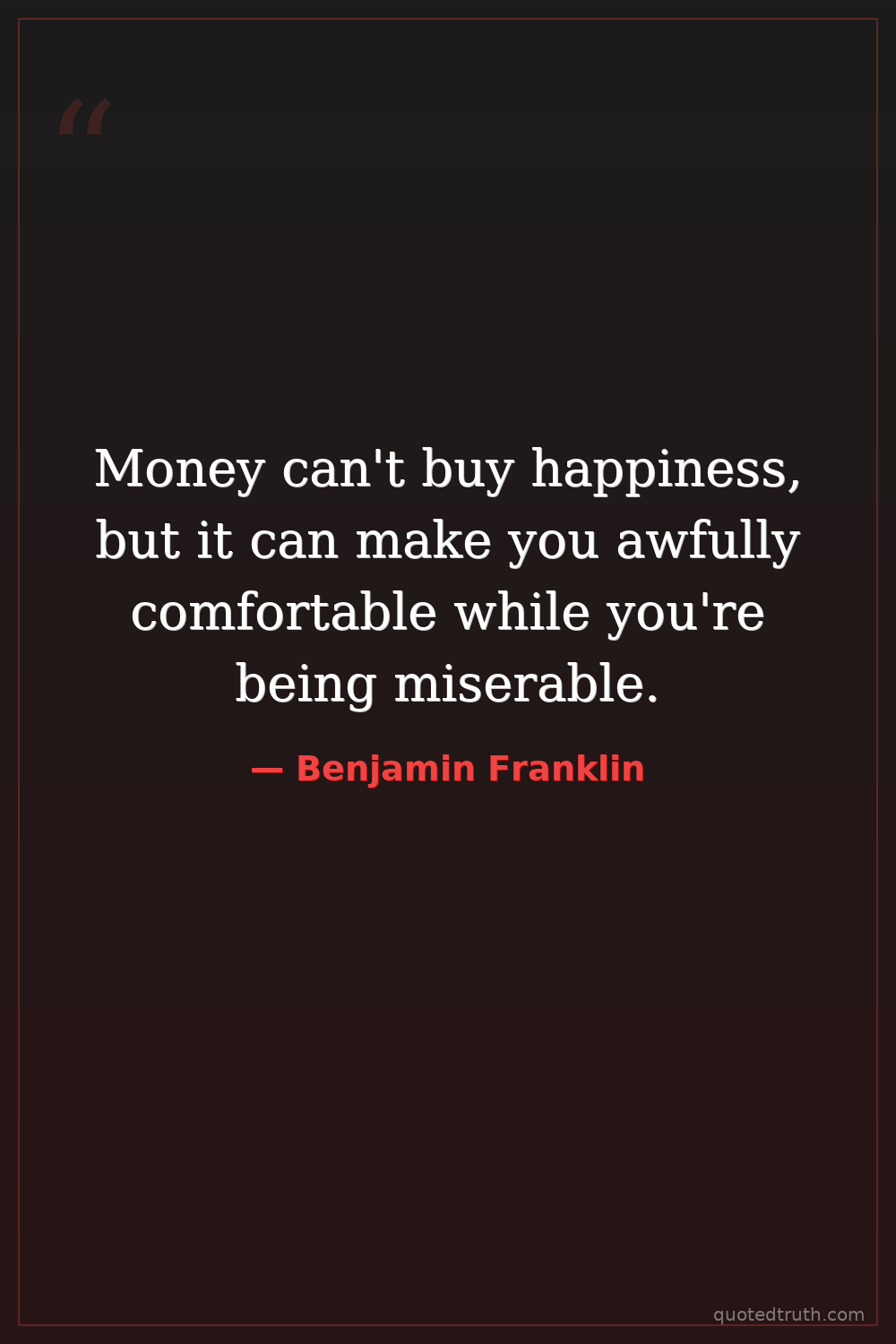
Money can't buy happiness, but it can make you awfully comfortable while you're being miserable.
Money can't buy happiness, but it can make you awfully comfortable while you're being miserable.
Click any product to generate a realistic preview. Up to 3 at a time.
* Initial load can take up to 90 seconds — revising the preview in another color is nearly instant.
"To lengthen thy life lessen thy meals."
"I didn't fail the test, I just found 100 ways to do it wrong."
"In wine there is wisdom, in beer there is strength, in water there is bacteria."
"Honest men marry soon, wise men never."
"Without continual growth and progress, such words as improvement, achievement, and success have no meaning."
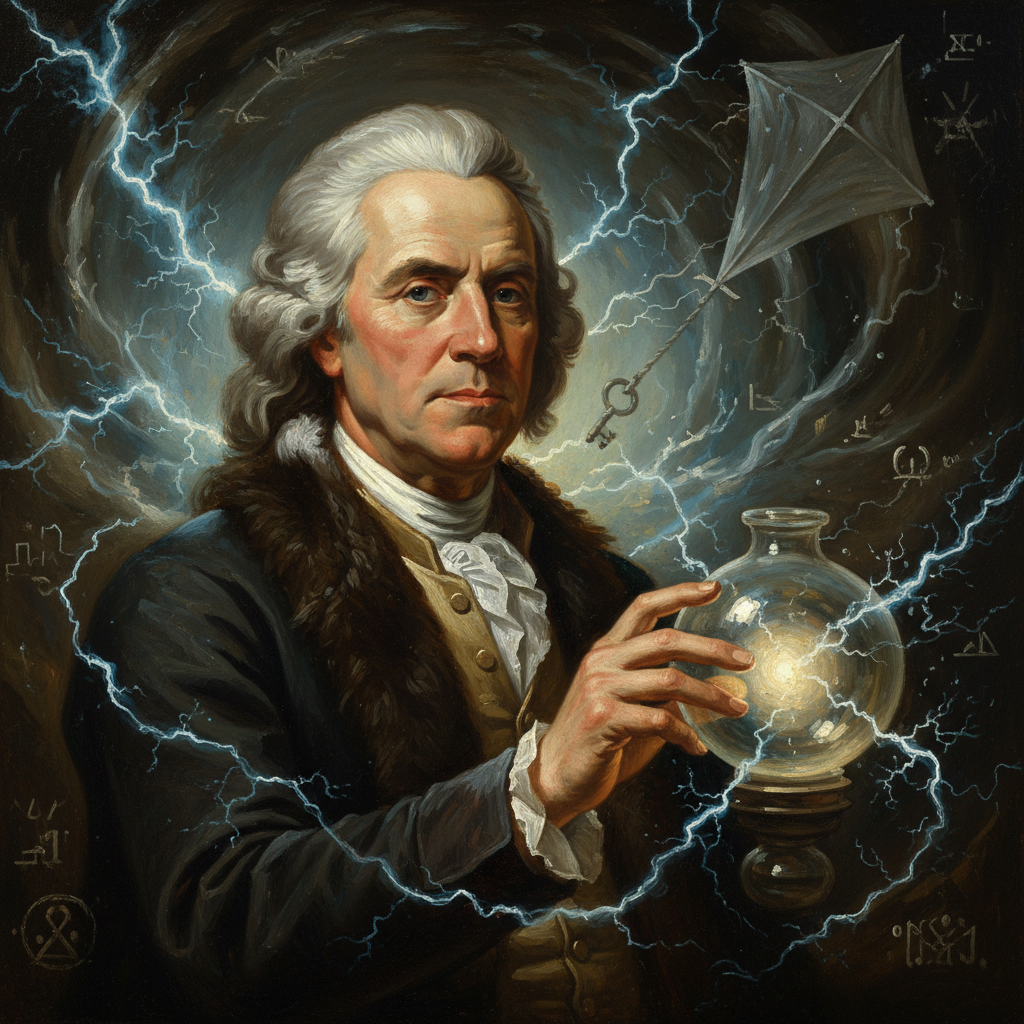
Polymath Founding Father, diplomat, and Poor Richard's Almanack author who helped draft the Declaration of Independence and the Constitution. Closely associated with John Adams (fellow Founder, Massachusetts statesman) and Thomas Jefferson (fellow Declaration drafter). For an intellectual contrast, see Thomas Hutchinson, last royal governor of colonial Massachusetts — Franklin leaked Hutchinson's loyalist correspondence to Boston in 1772 to inflame revolutionary sentiment — Hutchinson represented the colonial-aristocrat crown-loyalty that Franklin's revolution was organized to dismantle.
Attributed, but exact source is elusive; appears in collections of quotes.
Date: Uncertain
GeneralFound in 1 providers: grok
1 source checked
The quote bluntly separates happiness from wealth. Money cannot manufacture joy, love, purpose, or inner peace—the things that genuinely make life worth living. But it can remove the grinding discomforts that compound misery: cold rooms, medical bills, hunger, insecurity. The insight is wryly honest—being sad in luxury is still sad, but being sad in poverty piles material suffering directly on top of emotional suffering.
Franklin rose from humble origins—son of a soap maker—to become one of colonial America's wealthiest printers and publishers. He understood poverty viscerally and spent decades building financial independence through industry and thrift, themes central to Poor Richard's Almanack. His pragmatic, unsentimental worldview appears throughout his writing: he never romanticized poverty or dismissed wealth, but consistently treated money as a practical tool rather than an end in itself.
Colonial America saw stark contrasts between merchant prosperity and laborer poverty. Franklin lived through an era when economic survival required relentless work—crop failures, trade disruptions, and disease made financial ruin an ever-present threat. The Enlightenment simultaneously promoted the pursuit of happiness as a human right, creating tension with harsh daily economic realities. Wealth increasingly signaled virtue and respectability in colonial society, making this pragmatic take on money's limits both subversive and widely relatable.
AI-generated insights based on extensive research and information for context. Factual errors? Email [email protected].
Your cart is empty