What it means
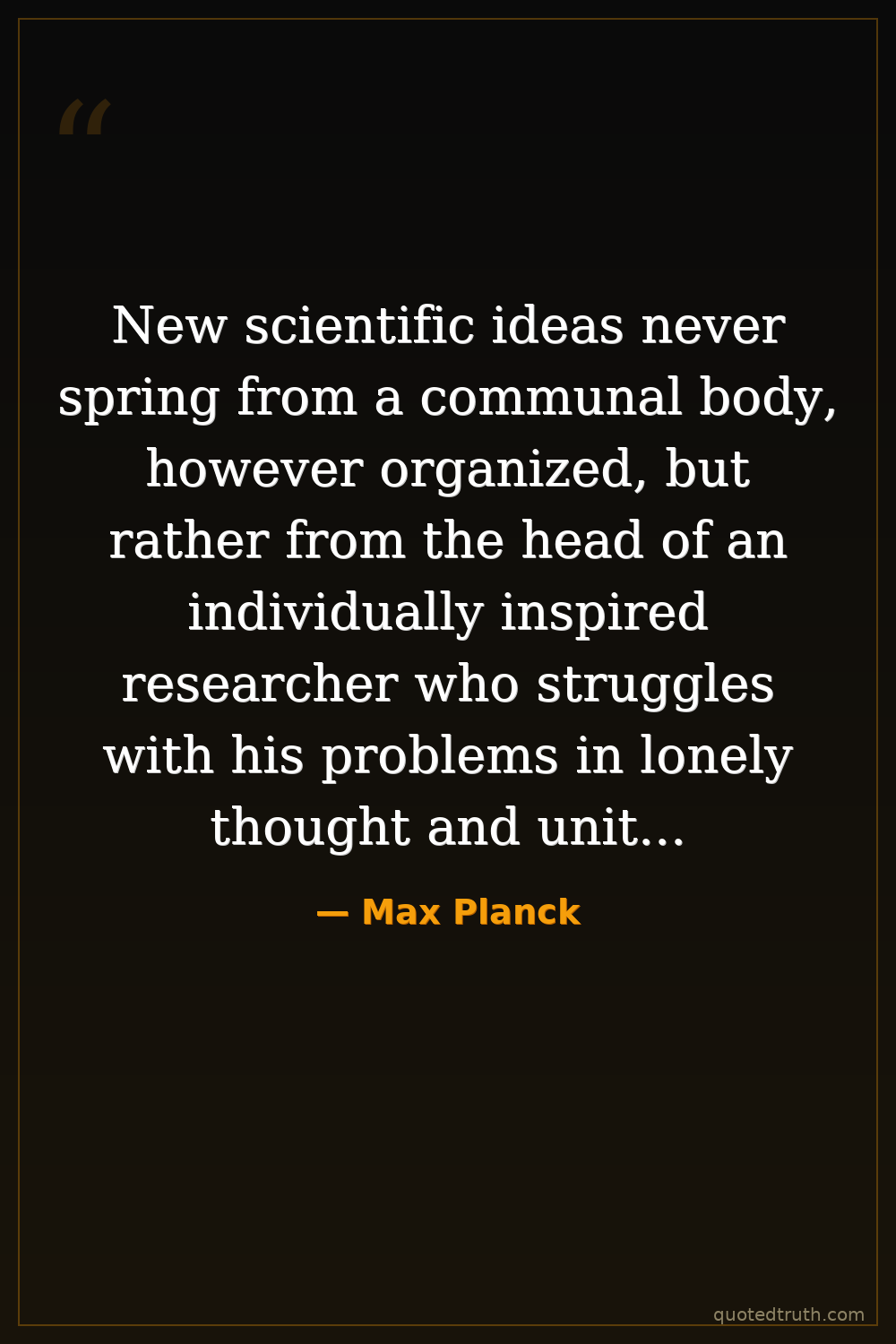
Real breakthroughs in science don't come from committees or group brainstorming. They come from one person, alone with a problem, obsessed enough to make it the center of their universe for hours, days, or years. Collaboration polishes and tests ideas, but the original spark requires a single mind concentrating so intensely that everything else fades away. Innovation is fundamentally a solitary act of focused thought, not a democratic process.
Relevance to Max Planck
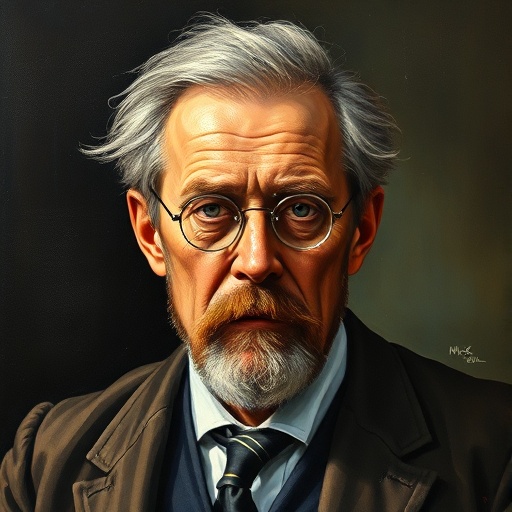
Planck spent six years wrestling alone with blackbody radiation before introducing the quantum in 1900, a desperate mathematical move he called an 'act of despair.' He worked in solitary contemplation at his Berlin desk, often pacing his garden alone. As a deeply traditional German professor, he distrusted the noisy collaborative style emerging in physics and believed the deepest insights came from quiet, sustained, individual struggle, exactly as he had experienced firsthand.
The era
Planck lived through the institutionalization of science: universities, Kaiser Wilhelm Society laboratories, and large research teams were replacing the lone gentleman-scientist of the 19th century. Yet the era also produced its most radical individual leaps, Einstein in a patent office, Planck at his desk, Bohr alone with atomic models. Germany dominated physics through professorial culture that prized solitary Denkarbeit (thought-work), and Planck defended this tradition even as Big Science emerged after WWI.
AI-generated insights based on extensive research and information for context. Factual errors? Email [email protected].