What it means
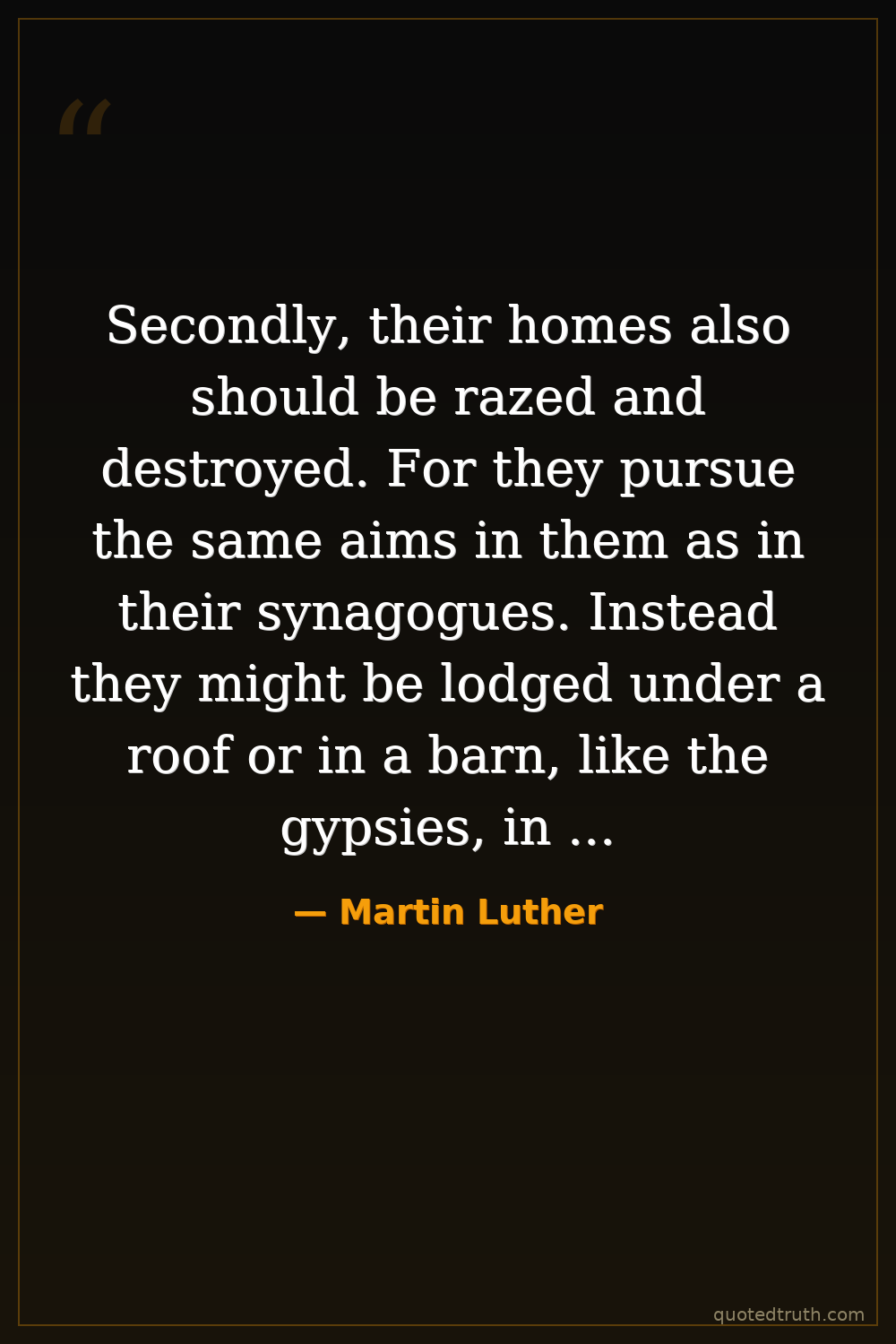
The speaker demands that a targeted group's houses be demolished because he sees their homes as extensions of their religious gathering places. He proposes forcing them into shared shelters or barns, treating them like wandering outsiders, so they understand they hold no ownership or authority in the country and instead live as powerless prisoners rather than the privileged residents he accuses them of claiming to be.
Relevance to Martin Luther
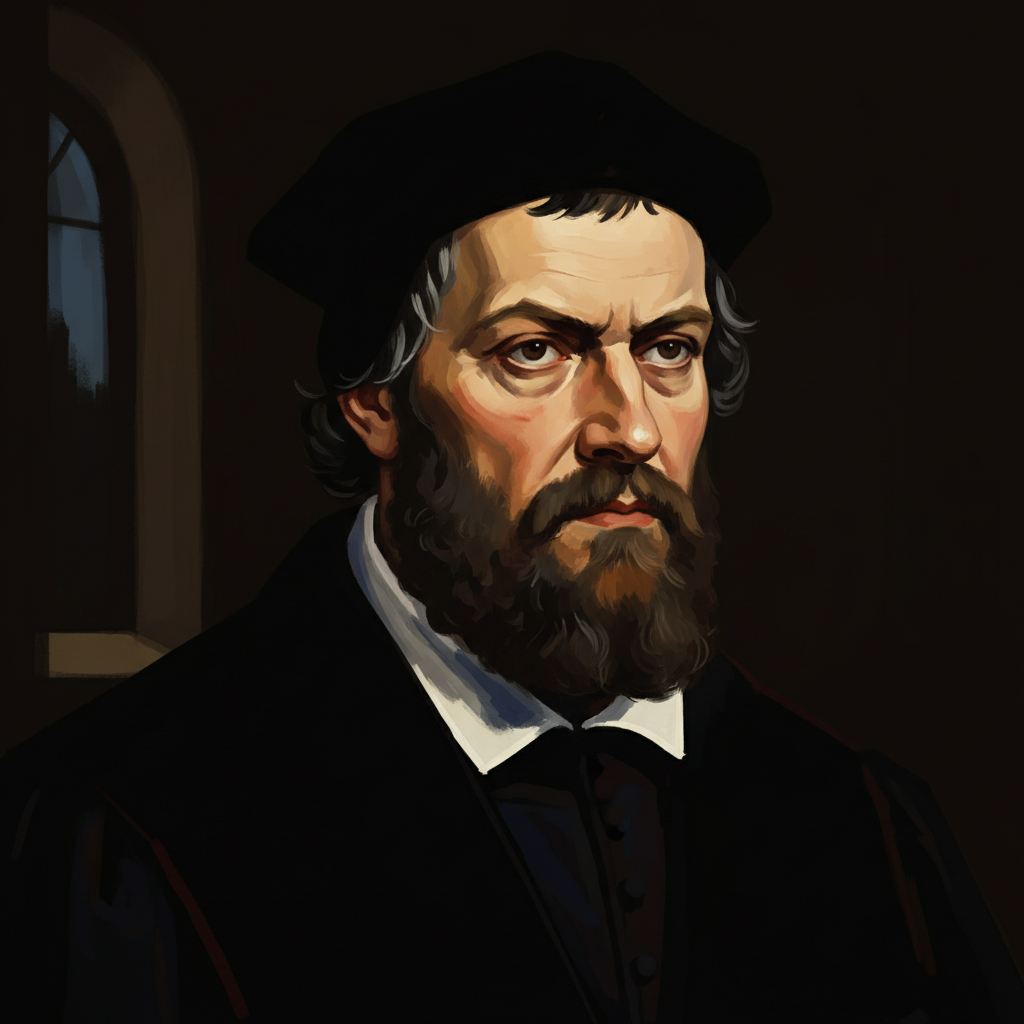
This comes from Luther's 1543 tract On the Jews and Their Lies, written late in his life when his earlier hope of converting Jewish communities had soured into bitter hostility. The same theological certainty that drove him to defy the Pope at Worms hardened into cruel policy prescriptions. It reveals a darker side of the reformer whose German Bible translation and doctrine of justification by faith reshaped Western Christianity.
The era
In 1543 Germany, Jewish communities lived under precarious toleration, often confined to specific towns and subject to expulsion. Luther's Reformation had fractured Christendom, and competing confessions sought political legitimacy by proving their orthodoxy. His pamphlet influenced Saxon authorities to expel Jews and later provided rhetorical ammunition that Nazi propagandists quoted four centuries afterward, making it a disturbing example of how theological disputes of the early modern period produced lasting consequences.
AI-generated insights based on extensive research and information for context. Factual errors? Email [email protected].