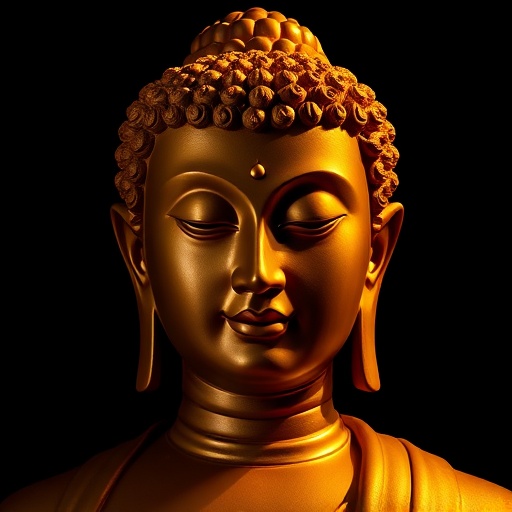
Siddhartha Gautama (Buddha) — "Should you find a wise critic to point out your faults, follow him as you would …"
Should you find a wise critic to point out your faults, follow him as you would a guide to hidden treasure.
Should you find a wise critic to point out your faults, follow him as you would a guide to hidden treasure.
Click any product to generate a realistic preview. Up to 3 at a time.
* Initial load can take up to 90 seconds — revising the preview in another color is nearly instant.
"Conquer the angry one by love. Conquer the evil one by good. Conquer the stingy one by generosity. Conquer the liar by truth."
"The greatest wealth is health."
"The greatest gift is to give people your enlightenment, to share it. It has to be the greatest."
"The wise ones who are intent on meditation, who delight in the peace of renunciation, such mindful ones, perfect in wisdom, collect like bees the nectar of flowers."
"Give, even if you only have a little."
Found in 1 providers: grok
1 source checked
Welcome honest criticism from someone wise enough to see your flaws clearly. Rather than getting defensive or avoiding people who challenge you, treat them as valuable allies. Their pointed observations reveal blind spots you cannot see yourself, and fixing those weaknesses leads to growth you could never achieve through flattery or self-assessment alone. A sharp critic is rare and worth more than comfortable praise.
Buddha built his teaching around honest self-examination and the removal of delusion as the path to liberation. He established the Sangha, a monastic community where monks regularly confessed faults and received correction from teachers and peers. His Eightfold Path requires right view and right mindfulness, both demanding clear sight of one's own shortcomings. He rejected ego-protection and taught that clinging to a flattering self-image only prolongs suffering.
In 5th-century BCE northern India, the Vedic priestly class guarded authority through ritual status, and flattery of patrons and kings was common in royal courts. Buddha departed from this by forming egalitarian communities where seniority came from insight, not birth. Competing shramana movements debated openly in public forums, so accepting pointed critique was a practical intellectual norm among wandering teachers seeking truth rather than social advancement.
AI-generated insights based on extensive research and information for context. Factual errors? Email [email protected].
Your cart is empty