What it means
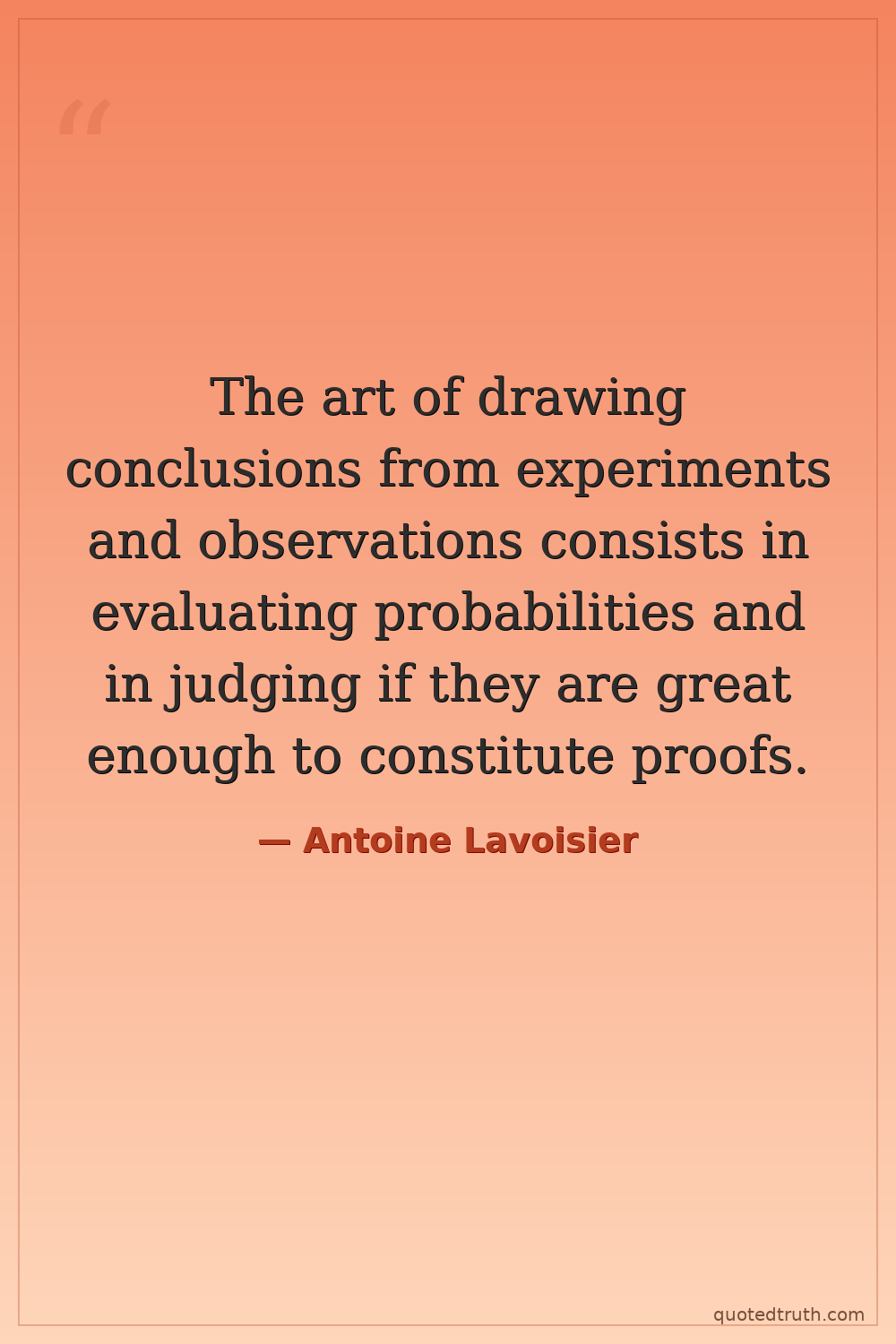
Scientific conclusions aren't simply read off from data—they require active judgment. Every experiment produces observations that could support multiple interpretations, and the scientist's real skill lies in honestly assessing how probable each explanation is given the evidence. Only when the accumulated weight of probability crosses a meaningful threshold does it earn the status of proof. Science is an intellectual discipline requiring calibrated reasoning, not just technical execution or raw observation.
Relevance to Antoine Lavoisier
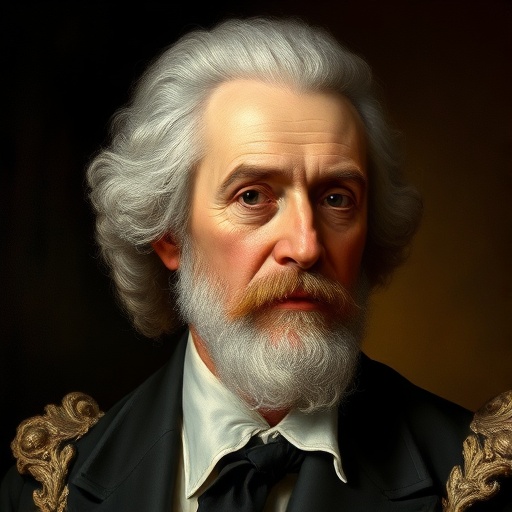
Lavoisier dismantled centuries-old phlogiston theory not through a single experiment but through systematic quantitative measurement—precise balances tracking mass before and after combustion. Any single result could be dismissed; proof required consistent, overwhelming experimental weight. His insistence on rigorous measurement over qualitative argument, and his co-creation of modern chemical nomenclature, reflect exactly this philosophy: conclusions must earn proof-status through evaluated, cumulative evidence rather than received authority or isolated observation.
The era
Lavoisier worked during the Enlightenment, when natural philosophy was becoming modern science and experimental method was displacing authority-based knowledge. Phlogiston theory still dominated chemistry, backed by respected names rather than rigorous evidence. Scientific societies like the French Academy were establishing standards for credible claims. In this transitional moment—when proof was being redefined away from logical syllogism toward reproducible experiment—his emphasis on evaluating evidential weight was both revolutionary and essential for chemistry's maturation as a discipline.
AI-generated insights based on extensive research and information for context. Factual errors? Email [email protected].