What it means
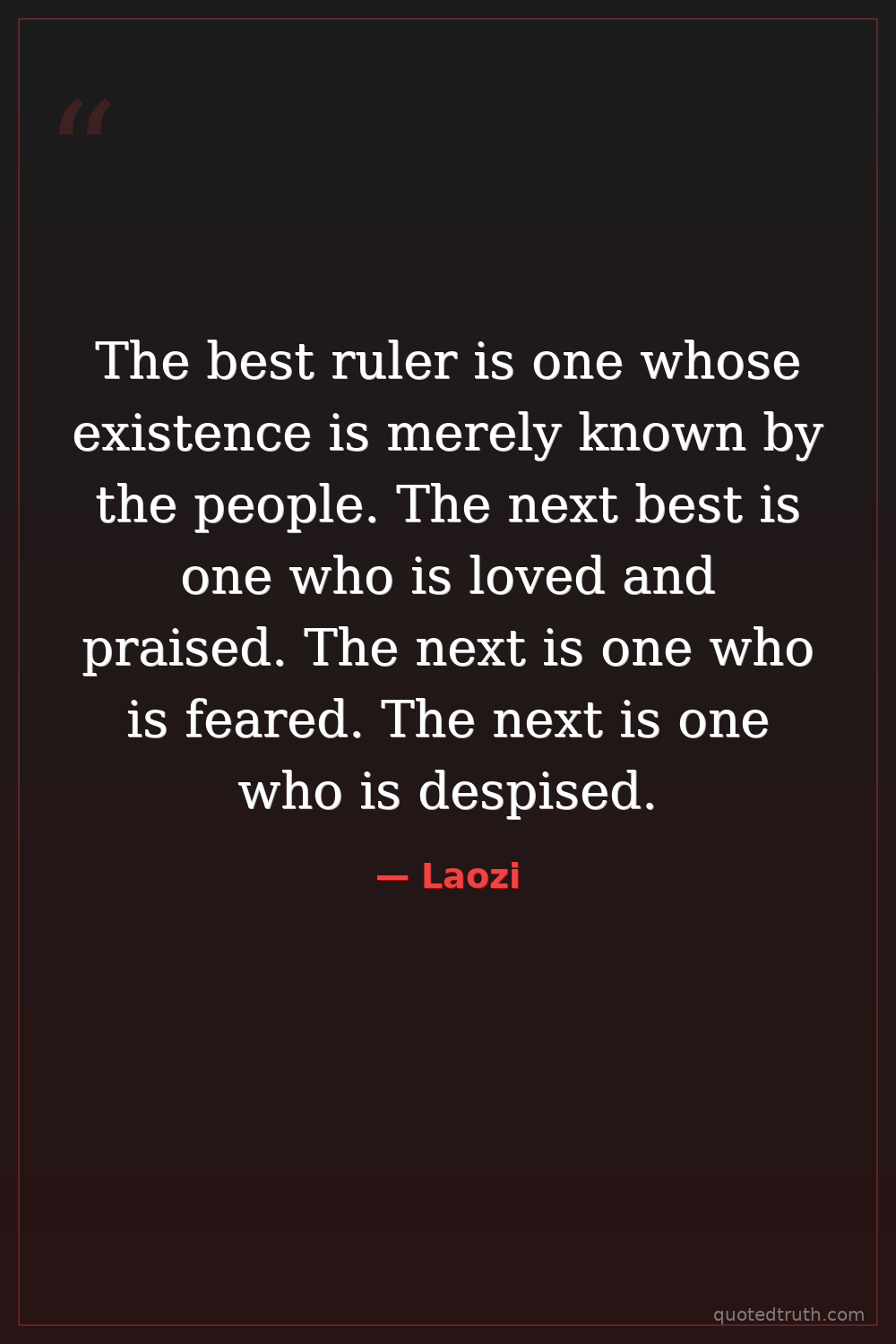
Great leadership is invisible. People barely notice the best ruler because everything runs smoothly without interference. A leader who earns love and praise is good but still draws attention to themselves. One who rules through fear gets compliance but breeds resentment. The worst is despised, having lost all legitimacy. The ranking measures how much a leader imposes on those they govern: the less intrusion, the better the result.
Relevance to Laozi
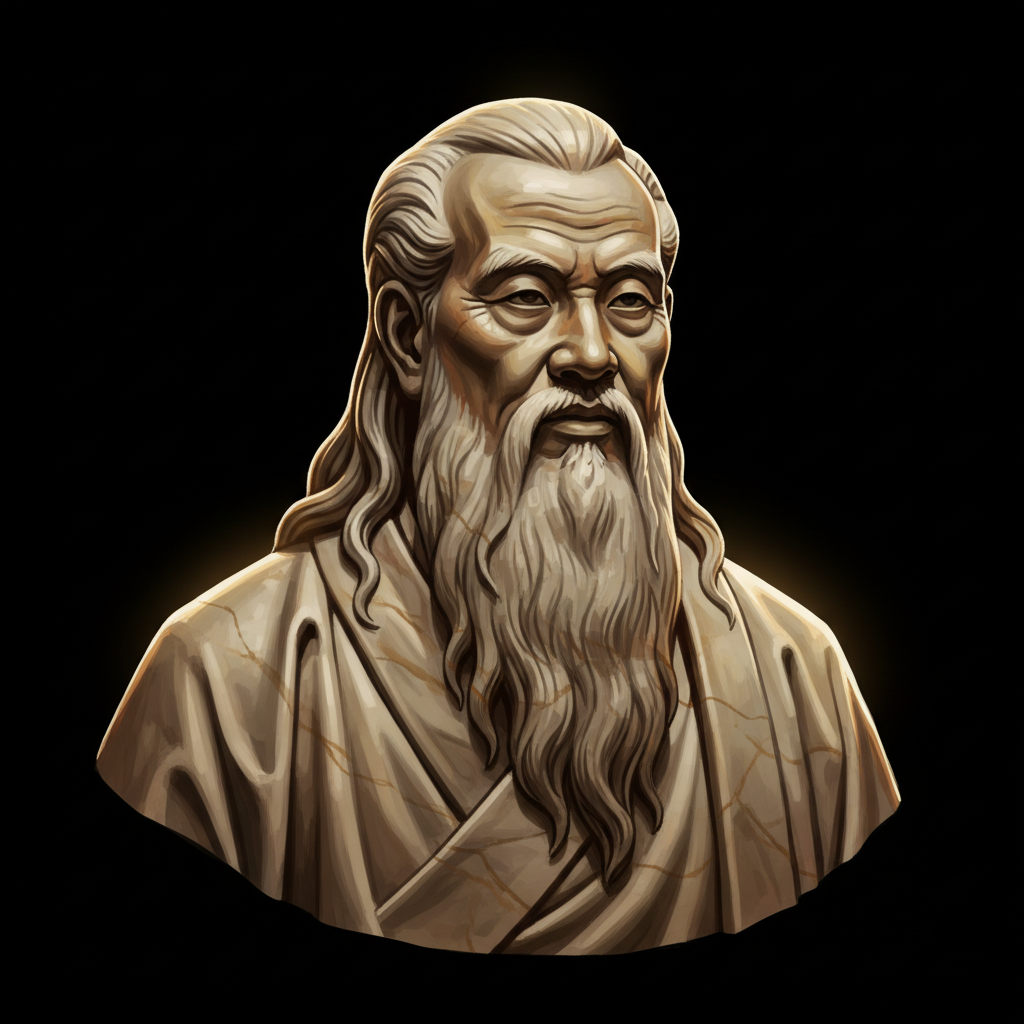
Laozi championed wu wei, effortless non-action, as the foundation of wise governance. As a keeper of royal archives in the Zhou court, he watched rulers meddle, legislate, and strain their people into dysfunction. His Tao Te Ching repeatedly urges leaders to govern like water, shaping outcomes without force. This ranking of rulers embodies his conviction that authority proves itself through restraint, and that constant visibility signals a leader who does not trust the natural order.
The era
Laozi lived during the late Zhou dynasty, as central authority collapsed into the Warring States period. Feudal lords taxed, conscripted, and warred relentlessly, and competing philosophies like Legalism urged even harsher control through surveillance and punishment. Confucians pushed elaborate ritual hierarchies. Against this backdrop of intrusive, militarized rule, Laozi's vision of a barely-felt sovereign was radical political commentary, arguing that the chaos of his age came from rulers doing too much, not too little.
AI-generated insights based on extensive research and information for context. Factual errors? Email [email protected].