What it means
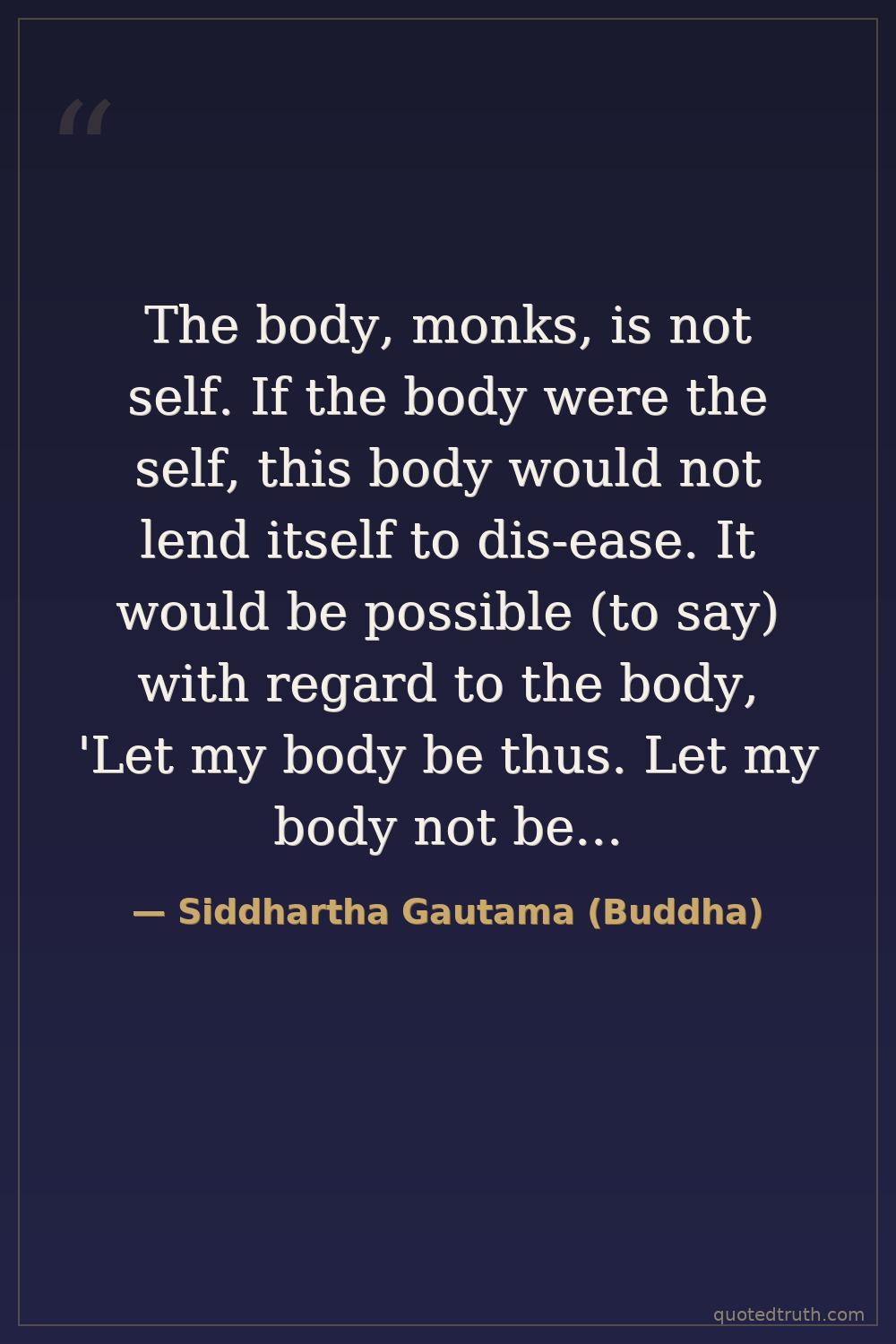
Your body isn't really 'you' or under your control. If it were, you could simply decide never to get sick, age, or feel pain. But you can't. The body breaks down, catches illness, and changes regardless of what you want. This proves the body isn't the true self, because anything that was genuinely yours would obey your wishes. Identifying with the body sets you up for suffering when it inevitably fails.
Relevance to Siddhartha Gautama (Buddha)
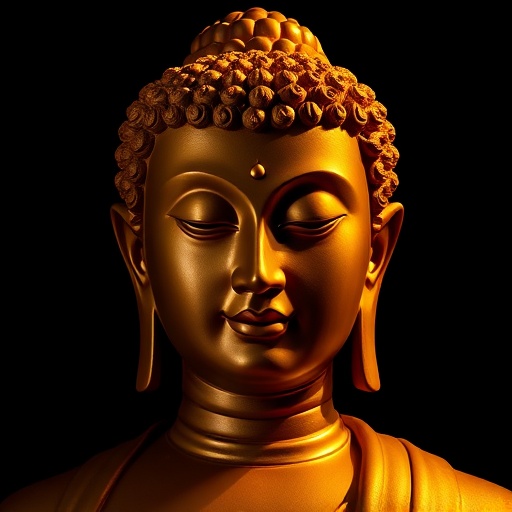
This reflects the Buddha's core teaching of anatta, or non-self, one of the three marks of existence he identified after his enlightenment under the Bodhi tree. Having witnessed sickness, aging, and death as a sheltered prince, Siddhartha built his entire path around understanding suffering's roots. He taught that clinging to a fixed self, especially the physical body, creates dukkha, and liberation comes through seeing through that illusion directly.
The era
In 5th-century BCE northern India, the dominant Brahmanical tradition taught atman, an eternal unchanging soul identical with ultimate reality. Buddha's denial of a permanent self was radical heresy against Vedic orthodoxy. This was the Shramana era, when wandering ascetics across the Ganges plain openly debated metaphysics, karma, and rebirth. Buddha's teachings emerged alongside Mahavira's Jainism, challenging priestly authority and caste-based ritual with direct experiential investigation of mind and body.
AI-generated insights based on extensive research and information for context. Factual errors? Email [email protected].