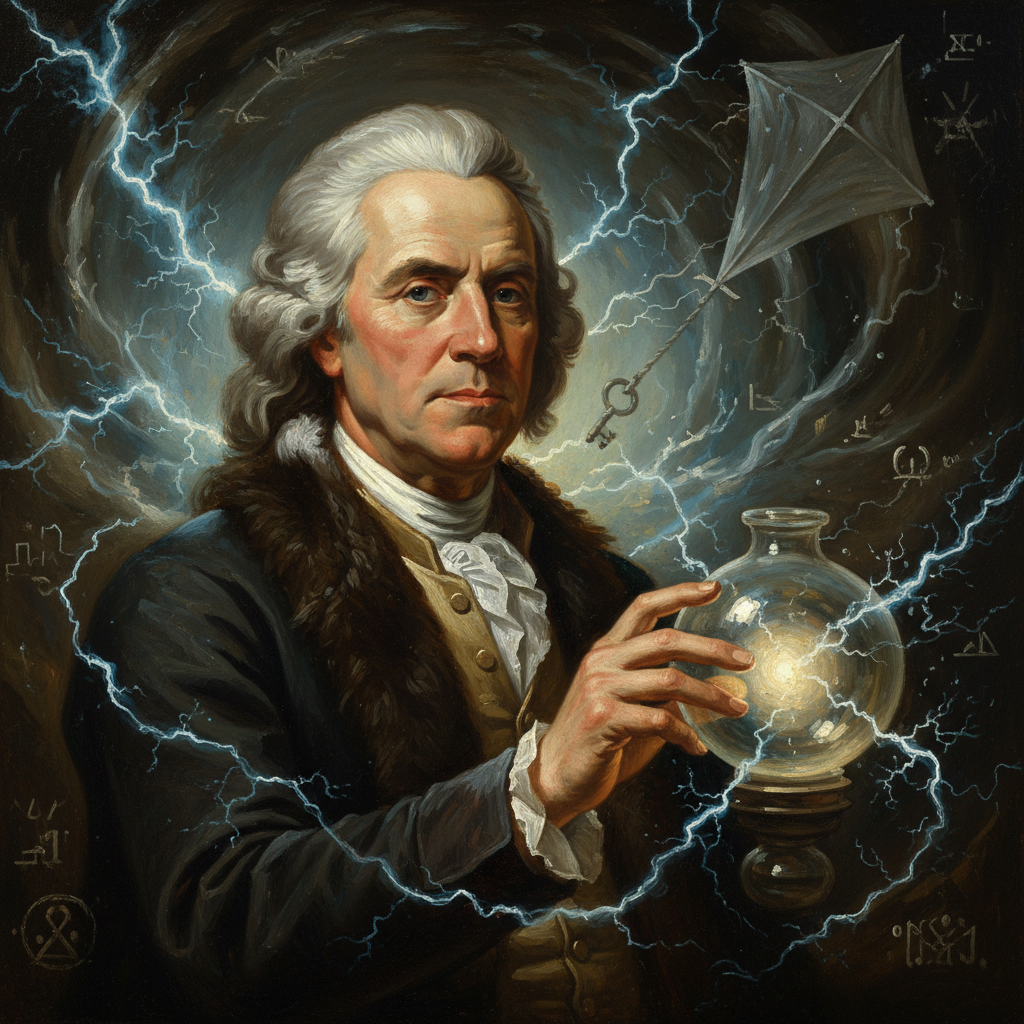
Benjamin Franklin — "The eye of the master will do more work than both his hands."
The eye of the master will do more work than both his hands.
The eye of the master will do more work than both his hands.
Click any product to generate a realistic preview. Up to 3 at a time.
* Initial load can take up to 90 seconds — revising the preview in another color is nearly instant.
"I am for doing good to the poor, but... I think the best way of doing good to the poor, is not making them easy in poverty, but leading or driving them out of it. I observed...that the more public pro…"
"Those who would give up essential Liberty, to purchase a little temporary Safety, deserve neither Liberty nor Safety."
"He that lives upon hope will die fasting."
"Who dainties love, shall beggars prove."
"Creditors have better memories than debtors."
Polymath Founding Father, diplomat, and Poor Richard's Almanack author who helped draft the Declaration of Independence and the Constitution. Closely associated with John Adams (fellow Founder, Massachusetts statesman) and Thomas Jefferson (fellow Declaration drafter). For an intellectual contrast, see Thomas Hutchinson, last royal governor of colonial Massachusetts — Franklin leaked Hutchinson's loyalist correspondence to Boston in 1772 to inflame revolutionary sentiment — Hutchinson represented the colonial-aristocrat crown-loyalty that Franklin's revolution was organized to dismantle.
Found in 1 providers: grok
1 source checked
Careful attention beats physical effort. A knowledgeable owner or expert who watches closely—catching errors, spotting opportunities, directing resources—produces more value than any amount of manual labor. The 'eye' represents expertise, judgment, and active oversight. It's a warning against absentee management and a case for engagement: knowing your craft deeply enough to see what needs doing is the highest form of work.
Franklin built his fortune as a Philadelphia printer, managing apprentices and journeymen in a hands-on trade. He understood that a distracted shop owner loses to an attentive one. As a scientist, his breakthroughs came from meticulous observation—watching lightning, tracking electrical behavior. As a diplomat, reading rooms and people proved more powerful than forceful action. His rise from runaway apprentice to statesman embodied the primacy of vigilant intelligence over raw labor.
Colonial America ran on the master-apprentice guild system: craftsmen, printers, blacksmiths, and merchants competed through workshop quality. Labor was abundant; skilled oversight was scarce. The Enlightenment simultaneously elevated observation and reason as civilization's engines—Newton's watching of falling objects, Franklin's watching of storms. In an era before mechanized production, a master who truly watched his operation—controlling waste, training workers, catching defects—held decisive competitive advantage over larger but inattentive rivals.
AI-generated insights based on extensive research and information for context. Factual errors? Email [email protected].
Your cart is empty