What it means
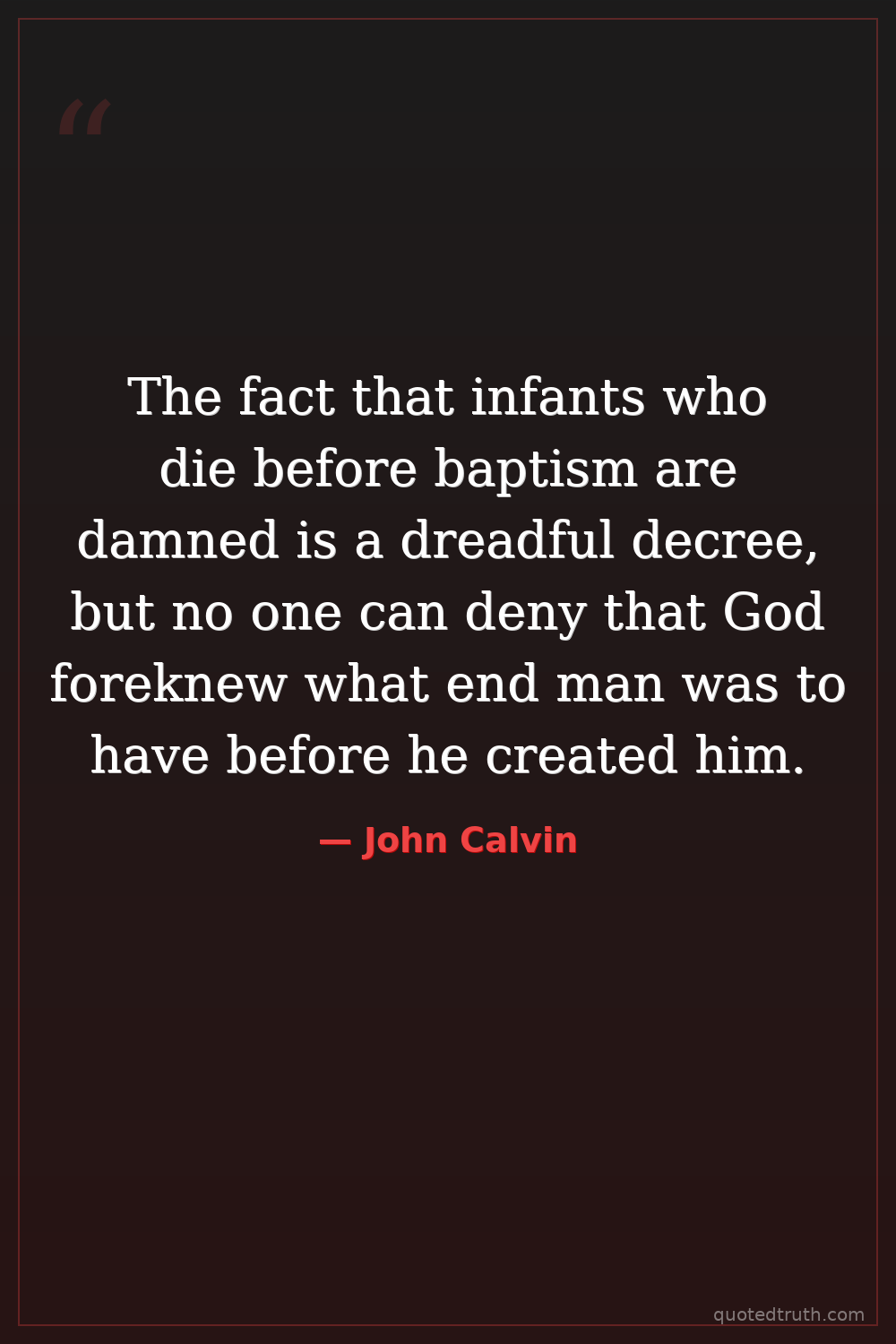
Calvin confronts one of predestination theology's most disturbing conclusions: that infants dying unbaptized face damnation not by accident but by divine decree. He doesn't soften it — he calls it dreadful. Yet he argues it's logically unavoidable. If God is omniscient and knew before creation every person's ultimate end, then all destinies were fixed before birth. Moral discomfort doesn't override theological logic in Calvin's framework.
Relevance to John Calvin
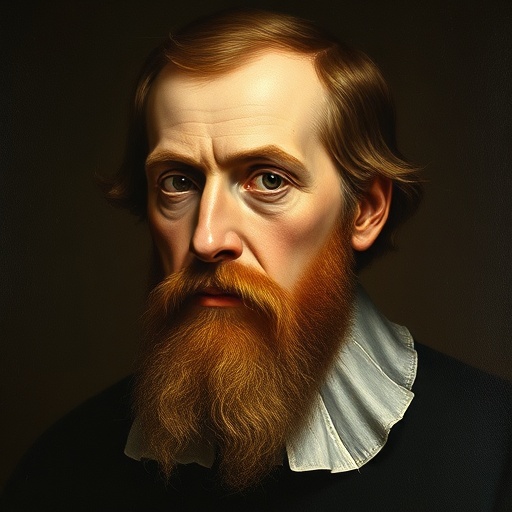
Calvin's doctrine of double predestination — God elects some to salvation and reprobates others to damnation — was the theological core of Reformed Christianity. He famously called predestination a 'decretum horribile' in his Institutes of the Christian Religion, acknowledging its harshness while defending its necessity. His legal training shaped his systematic, unflinching reasoning: truth mattered more than palatability. As Geneva's dominant reformer, he enforced these doctrines with both ecclesiastical and civil authority.
The era
The 16th-century Reformation shattered Catholic consensus on salvation. Medieval theology had invented 'limbo' partly to soften the fate of unbaptized infants — a pastoral compromise. Protestant reformers, rejecting traditions not grounded in Scripture, had to reckon with original sin's full implications. Infant mortality was catastrophically high, making this no abstract debate for grieving parents. Calvin's answer was brutal honesty: Scripture and logic demanded accepting uncomfortable conclusions, even ones that made God seem terrifying.
AI-generated insights based on extensive research and information for context. Factual errors? Email [email protected].