Martin Luther — "The fewer the words, the better the prayer."
The fewer the words, the better the prayer.
The fewer the words, the better the prayer.
Click any product to generate a realistic preview. Up to 3 at a time.
* Initial load can take up to 90 seconds — revising the preview in another color is nearly instant.
"Faith is a living, daring confidence in God's grace, so sure and certain that a man could stake his life on it a thousand times."
"If you want to have a good laugh, read the Papal Bulls. They are so full of nonsense that they will make you split your sides."
"The best way to worship God is to do your ordinary work well."
"For I know One who suffered and made satisfaction on my behalf. His name is Jesus Christ, Son of God, and where He is there I shall be also!"
"Peace if possible, truth at all costs."
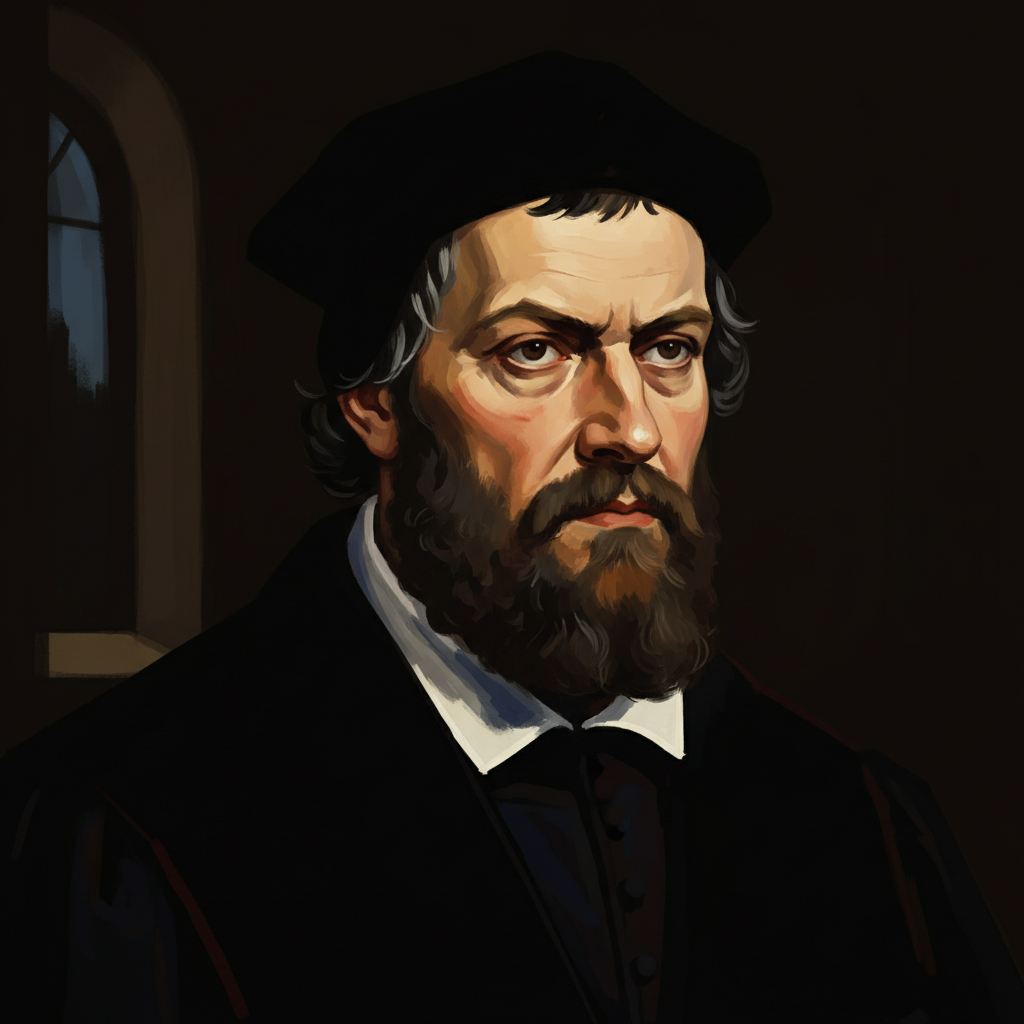
German theologian whose 95 Theses (1517) launched the Protestant Reformation and broke the Catholic Church's monopoly on Western Christianity. Closely associated with Philipp Melanchthon (Lutheran systematizer) and John Calvin (later Reformer who built on Luther's break). For an intellectual contrast, see Pope Leo X, Renaissance pope (1513-1521) — Leo X's indulgence sales triggered Luther's break and Leo excommunicated him in 1521 — Luther's entire Reformation is structured as a direct answer to the indulgence-funded Vatican Leo represented.
Found in 3 providers: gemini,deepseek,grok
3 sources checked
Short prayers beat long ones. When you talk to God, you don't need flowery language, repetition, or padding to sound impressive. A few honest words carry more weight than a long performance. Sincerity and focus matter more than length or eloquence. Strip away the extras and say what you actually mean, because the heart behind the words is what counts, not the word count itself.
Luther spent his life stripping Christianity down to essentials. He rejected elaborate Latin liturgies, indulgence sales, and priestly middlemen, insisting believers speak directly to God in their own language. He translated the Bible into German so ordinary people could read it. This line fits his core conviction: faith is personal and direct, not a transaction measured by volume, ritual length, or institutional polish. Brevity reflected his theology of sincere, unmediated devotion.
In early 16th-century Europe, the Catholic Church dominated religious life with long Latin Masses, rote prayers, recited rosaries, and paid indulgences most laypeople couldn't understand. Monastic orders chanted hours of daily liturgy. Luther's 1517 Ninety-Five Theses ignited the Reformation by attacking this performance-based piety. Printing presses spread his ideas fast. Saying fewer words made a better prayer was radical: it challenged centuries of ritual volume and handed spiritual authority back to individual believers.
AI-generated insights based on extensive research and information for context. Factual errors? Email [email protected].
Your cart is empty